



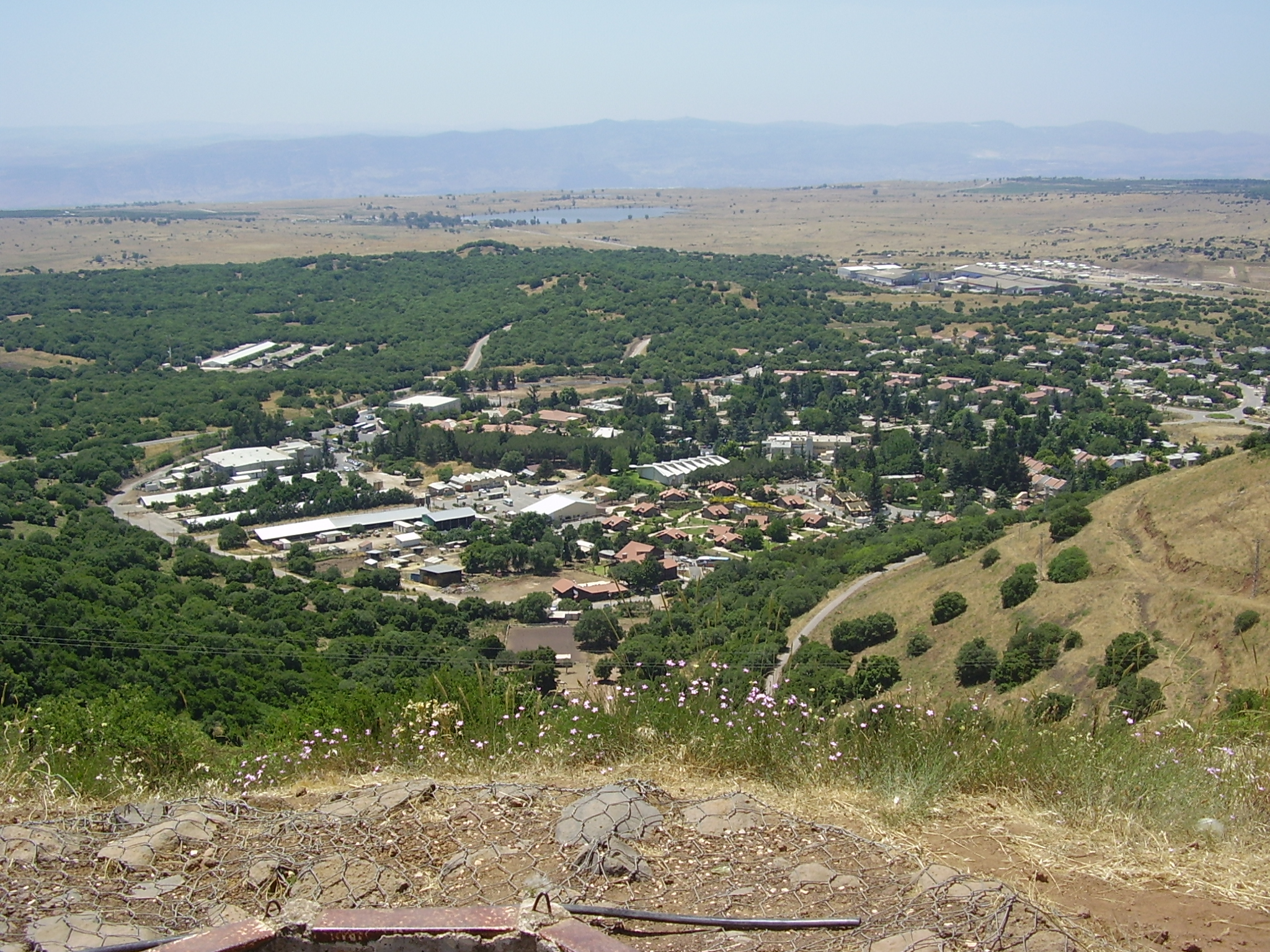
Kibbutz Merom Golan was the first Israeli settlement established on the Golan Heights after the Six-Day War, and it was built with the kind of speed and conviction that only makes sense in a country where geography is destiny. In July 1967, barely a month after Israel captured the Golan plateau, a group of settlers drove up the winding road from the Galilee, picked a spot overlooking the volcanic landscape, and started building.
They chose a location near the abandoned Syrian village of Wasit, at an elevation of about 1,000 meters, surrounded by basalt rocks, wild grasses, and a silence that the Golan does better than anywhere else in Israel. Today, Merom Golan is a thriving agricultural community, a popular tourist destination, and a symbol of the determination that defines life on the Golan Heights.
Cowboys of the Golan – Kibbutz Merom Golan
Merom Golan is perhaps best known for its cattle. The kibbutz runs one of the largest cattle ranches in Israel, with hundreds of cows grazing on the open grasslands of the northern Golan. The landscape looks nothing like what most people expect from the Middle East. Rolling green hills, grazing herds, and wide-open skies give the Golan a feeling that is closer to Montana than to the Mediterranean.
The kibbutz has leaned into this identity. Visitors can go horseback riding through the Golan countryside, and the experience, galloping across volcanic plateaus with Mount Hermon in the background, is one of the most unexpected pleasures Israel has to offer. There is also an ATV touring operation and a steakhouse that serves beef raised on the kibbutz’s own ranch.
Life at 1,000 Meters
Living on the Golan Heights means living with extremes. Winters are cold, sometimes snowy, and the wind can be fierce. Summers are warm but never as brutal as in the lowlands, and the nights are cool enough to need a blanket. The growing season is different from the rest of Israel, which means Golan produce, particularly fruit and wine grapes, has a character that is distinctly its own.
The community of Merom Golan is small, about 820 residents, but it punches above its weight in tourism and agriculture. The kibbutz’s guest accommodations, horseback rides, and restaurant draw visitors year-round, and its location makes it an excellent base for exploring the northern Golan.
Apples, Kiwi, and Truffles
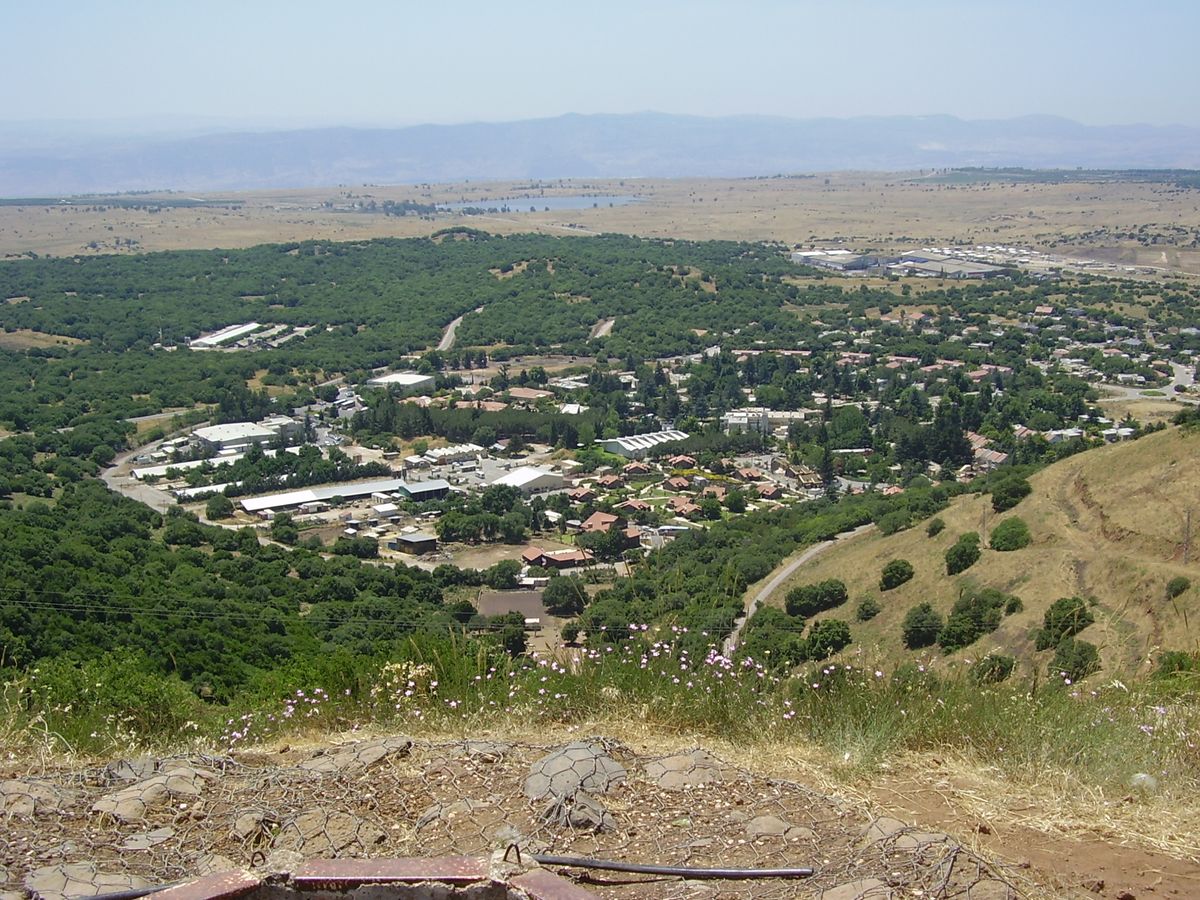 Merom Golan’s volcanic soil and cool mountain climate produce some of the finest agricultural products on the Golan. The kibbutz is known for its apple and nectarine orchards, kiwi cultivation, and cattle ranching. In recent years, the kibbutz has established an experimental truffle (kemhin) farm, one of the few in Israel, taking advantage of the Golan’s unique combination of altitude, rainfall, and basalt-rich soil. The kibbutz has approximately 820 residents.
Visit with Hoshen Tours
Merom Golan is a natural stop on any Golan Heights itinerary. Hoshen Tours includes it in tours that combine the natural beauty of the Golan with its military history, wineries, and Druze villages, giving visitors a complete picture of life on Israel’s most dramatic plateau.
Because the Golan Heights is not just a place on the news. It is a place where people raise cattle, grow wine grapes, and ride horses into sunsets that would make a cowboy jealous.
Explore Our Tour Collection
Ready to experience Israel in true colors?
Plan Your TourPrivate tours designed around your interests, schedule, and pace.