



Neot Kedumim is a 250-hectare biblical landscape reserve in the hills between Jerusalem and Tel Aviv, the only park in the world dedicated to recreating the physical landscape of the Bible. The reserve grows every plant mentioned in the Bible and the Talmud, in the terrain and conditions described in the ancient texts, creating a living encyclopedia of the flora that the biblical writers knew.
Walking Through the Bible’s Landscape
The reserve was founded by Nogah Hareuveni, a botanist who spent his life connecting the plants of Israel to the texts that describe them. When the Bible says “the righteous will flourish like a palm tree” (Psalm 92:12), what does that mean? What does a palm tree do that makes it a metaphor for righteousness? When Jesus says “I am the vine” (John 15:5), what does the vine teach about the relationship between God and humanity? Neot Kedumim answers these questions by growing the plants and letting visitors see, touch, smell, and taste the world of the Bible.
The Gardens
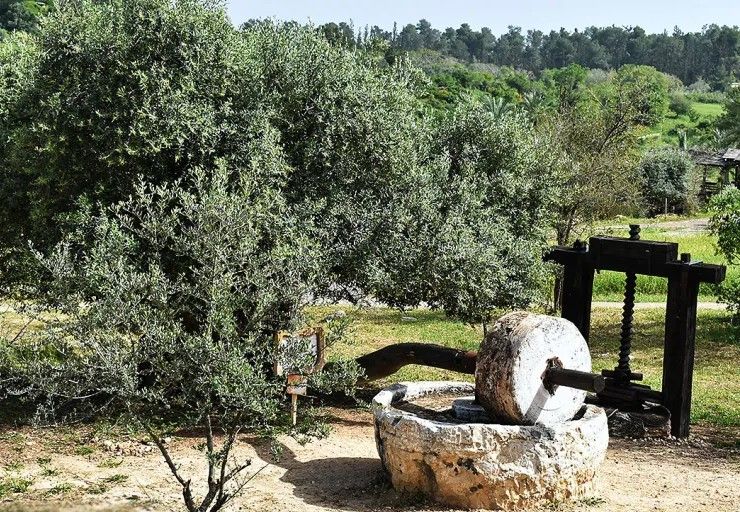
The reserve is divided into themed gardens: the Seven Species (wheat, barley, grapes, figs, pomegranates, olives, and dates), the Forest of Milk and Honey, the Dale of the Song of Songs, the Isaiah Peace Garden, and others. Each garden is planted with the species mentioned in the relevant texts, and interpretive signs connect the plants to their biblical references. An ancient wine press, olive press, and threshing floor have been reconstructed and are demonstrated during guided tours.
Guided tours at Neot Kedumim include hands-on activities: pressing olives, treading grapes, baking bread on a tabun (clay oven), and making ink from natural materials. The experience is particularly powerful for groups reading the Bible, because the metaphors that seem abstract on the page become vivid and physical when you are standing in the landscape they describe.
Parables Come Alive
One of the most rewarding aspects of a visit to Neot Kedumim is the way it illuminates the parables and metaphors of both the Hebrew Bible and the New Testament. The mustard seed, which Jesus described as the smallest of seeds that grows into the largest of garden plants, grows here alongside the hyssop that the Psalmist mentions, the thorns and thistles of Genesis, and the cedars, oaks, and terebinths that appear throughout the prophetic literature. Guides at the reserve explain how ancient agricultural practices, threshing grain, pruning vines, pressing olives, shaped the language and imagery of Scripture. Visitors who have read these texts for years often describe the experience as a turning point in their understanding, because the metaphors that seemed poetic abstractions become concrete realities rooted in the landscape, the seasons, and the daily labor of the ancient world.
Visit with Hoshen Tours
Neot Kedumim brings the plants and landscapes of the Bible to life. Hoshen Tours pairs it with Ayalon Valley and Canada Park, the Finnish village at Yad HaShmona, the ancient terraces at Sataf, and the Crusader spring at Ein Hemed.
Explore Our Tour Collection
Ready to experience Israel in true colors?
Plan Your TourPrivate tours designed around your interests, schedule, and pace.