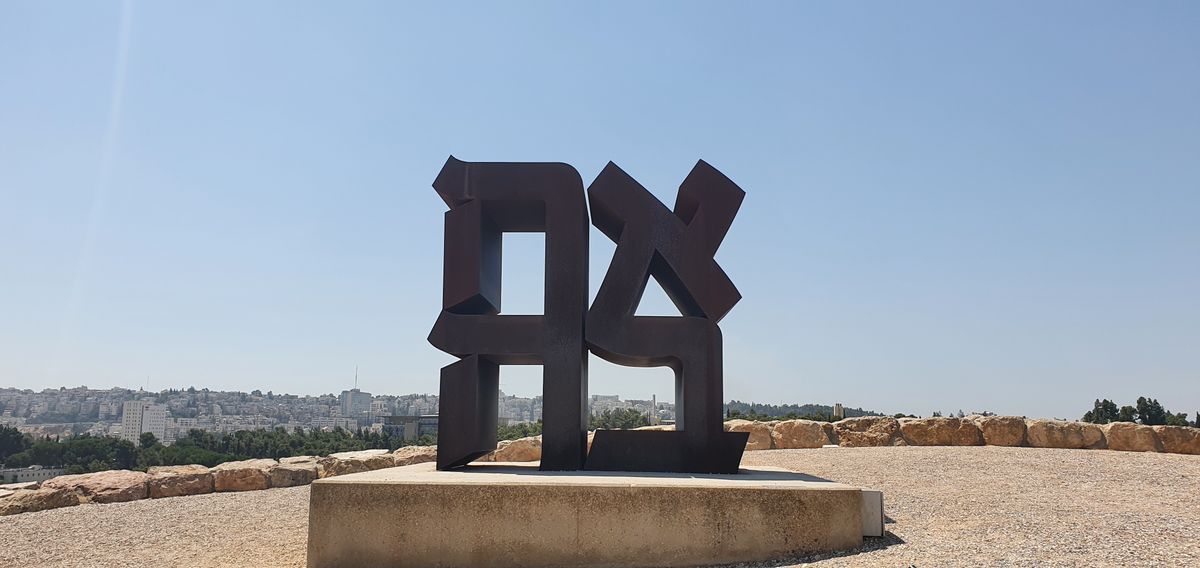
The Bible Lands Museum Jerusalem is the only museum in the world dedicated to telling the story of the biblical world through the civilizations that surrounded ancient Israel. While the Israel Museum across the road tells the story of the Land of Israel itself, the Bible Lands Museum tells the story of everyone else mentioned in the Bible, Egypt, Mesopotamia, Persia, Anatolia, Canaan, Phoenicia, the Hittites, the Philistines, the neighbors, rivals, trading partners, and imperial overlords whose histories are woven into every chapter of scripture. Located right next to the Israel Museum in Jerusalem’s museum district, it is one of the most underrated museums in Jerusalem, offering a depth of context that transforms how visitors read and understand the Bible.
Elie Borowski’s Vision
The museum was founded by Dr. Elie Borowski (1913–2003), a Holocaust survivor, Polish-born scholar, and passionate antiquities collector who spent decades assembling one of the world’s finest private collections of ancient Near Eastern art. Borowski began collecting in 1943 and initially housed his collection in a museum in Toronto. In 1981, encouraged by Jerusalem Mayor Teddy Kollek, he decided to bring the entire collection to Israel. The museum opened on May 10, 1992, fulfilling Borowski’s lifelong dream of making the ancient world accessible in the land of the Bible itself. His wife Batya, who had first suggested the move to Jerusalem, became a driving force behind the institution. Borowski’s personal journey, from the horrors of the Holocaust to building a world-class museum in Jerusalem, is itself a remarkable story of resilience and cultural dedication.
The Borowski Collection: 20 Galleries of Ancient Civilizations
The museum’s 20 galleries are organized chronologically and by civilization, with biblical quotations placed throughout to connect the artifacts to their scriptural context. The collection spans thousands of years and tells the story of the ancient Near East, Egypt, Mesopotamia, Anatolia, Persia, and how these great civilizations interacted with ancient Israel. It includes cylinder seals from Mesopotamia, tiny cylindrical objects that, when rolled across wet clay, produced intricate scenes of gods, battles, and daily life, Egyptian scarabs and funerary objects, cuneiform tablets recording everything from administrative receipts to the Babylonian flood narrative, pottery and weapons from Canaan, and idols and figurines from the cultures that the prophets of Israel railed against. Every artifact illuminates a verse, a story, or a world that the biblical authors took for granted but that modern readers have lost.
Understanding the Bible Through Its Neighbors
The museum’s genius is its premise: you cannot understand the Bible in isolation. The story of Abraham begins in Ur of the Chaldees (Mesopotamia). The Exodus is meaningless without understanding Egypt. The Psalms echo Canaanite poetry. The Babylonian exile only makes sense if you know what Babylon was. The Bible Lands Museum puts the biblical text into its ancient context, and in doing so makes both the Bible and the ancient world come alive in ways that neither could achieve alone.
Visit with Hoshen Tours
The Bible Lands Museum brings the ancient civilizations surrounding Israel to life through stunning artifacts from Egypt, Mesopotamia, Persia, and beyond. Hoshen Tours uses this collection to set the biblical story in its wider regional context. The museum sits alongside the Israel Museum and the Knesset in Jerusalem’s cultural corridor, and pairs well with a visit to the Monastery of the Cross in the valley just below.
Explore Our Tour Collection
Ready to experience Israel in true colors?
Plan Your TourPrivate tours designed around your interests, schedule, and pace.