



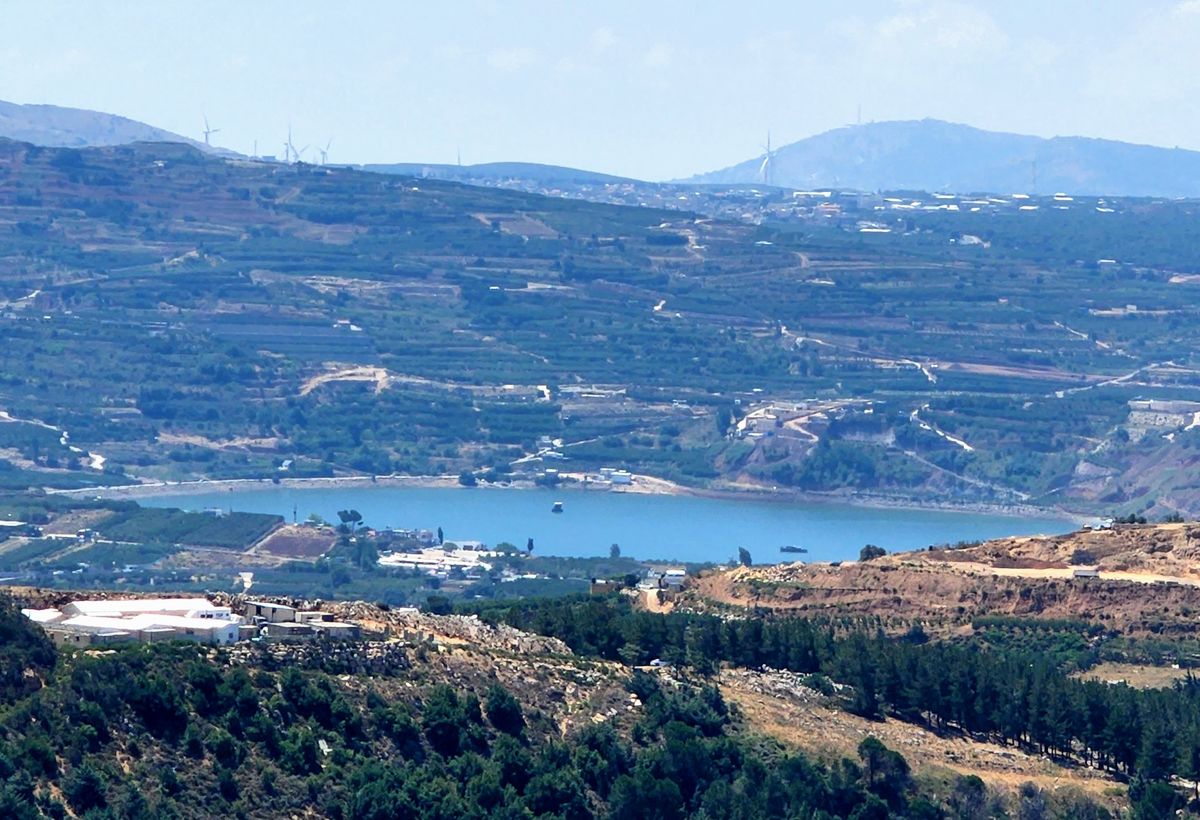
High on the Golan Heights, in the crater of an extinct volcano between the Druze villages of Mas’ade and Majdal Shams, sits a lake that should not be there. Birkat Ram is a volcanic crater lake, one of only two natural lakes in Israel (the other being the Sea of Galilee), and it has been sitting quietly in its crater for tens of thousands of years, collecting rainwater and snowmelt and producing archaeological surprises that nobody expected.
A Lake in a Volcano
Birkat Ram fills a maar, a shallow volcanic crater formed by an explosive interaction between magma and groundwater. The lake is roughly oval, about 600 meters across and surprisingly shallow, with a maximum depth of only about 10 meters. Its waters are fed entirely by rain and snowmelt from Mount Hermon, and it has no outlet. The water that enters Birkat Ram stays there, slowly evaporating or seeping through the volcanic rock.
The setting is striking. The lake sits at an elevation of about 940 meters, surrounded by the basalt slopes of the crater and the green fields of the Golan. Mount Hermon rises to the north, often snow-capped, and the Druze villages of Mas’ade and Majdal Shams are visible on the slopes nearby. In spring, wildflowers ring the lake, and the contrast between the dark volcanic soil and the bright colors of the flowers is one of the most beautiful sights on the Golan.
Venus of Berekhat Ram
In 1981, archaeologist Naama Goren-Inbar found a small scoria figurine near the shores of Birkat Ram that turned out to be one of the most important prehistoric discoveries in the Middle East. The figurine, only 35 millimeters tall, appears to depict a female form with exaggerated features, similar to the famous Venus figurines found across Europe.
What made the Birkat Ram Venus extraordinary was its age. The figurine was found in a geological layer dating to approximately 250,000-280,000 years ago, making it one of the oldest known examples of representational art in the world. If the object is indeed a deliberate sculpture, and the debate continues among archaeologists, it pushes the origins of human artistic expression back far earlier than previously thought.
The figurine is small enough to fit in the palm of your hand, and its features are crude by any modern standard. But standing at Birkat Ram and knowing that a human being, a quarter of a million years ago, sat by this lake and carved a figure from a piece of volcanic rock is a thought that puts everything else in perspective.
Lake Today
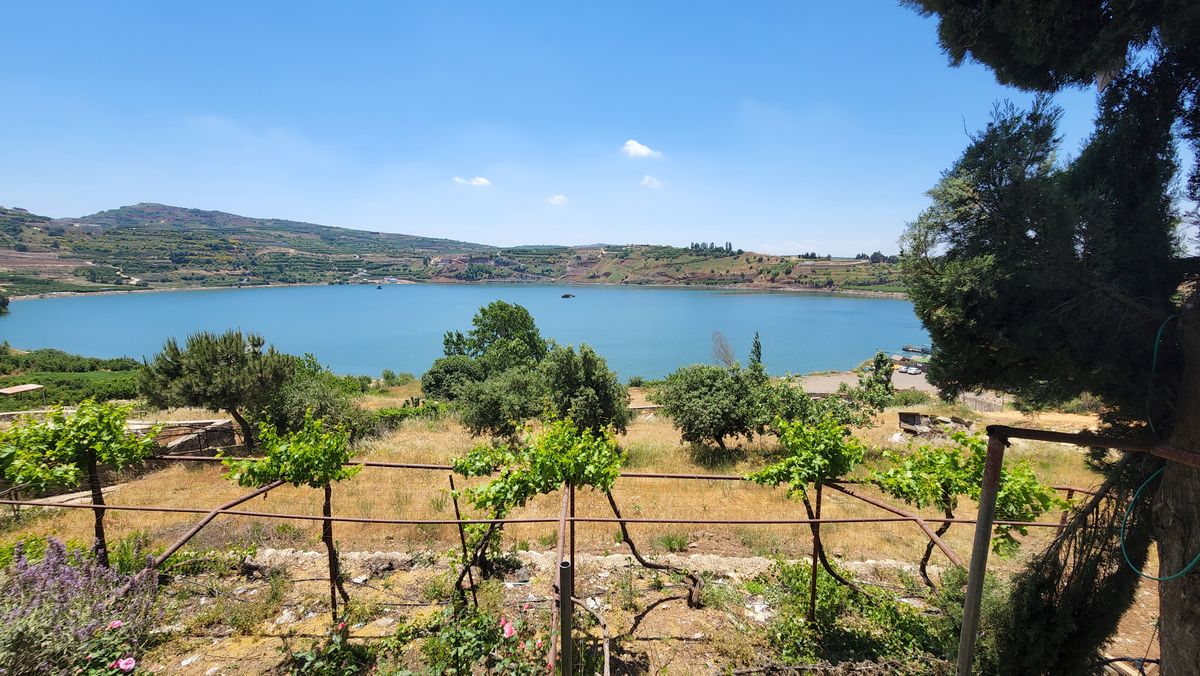
Birkat Ram today is a quiet recreational spot popular with local residents and visitors who appreciate its unusual beauty. The lake is surrounded by a walking path, and there are picnic areas, a small restaurant, and paddle boats for hire. On weekends, Druze families from the nearby villages gather at the lakeside, and the atmosphere is relaxed and welcoming.
The lake is also an important ecological site, supporting bird life and plant species that depend on the rare freshwater habitat. Birdwatchers visit Birkat Ram during migration season, when the lake serves as a stopover point for birds traveling between Africa and Europe.
Visit with Hoshen Tours
Birkat Ram is a perfect complement to a Golan Heights itinerary that includes the Druze villages, Mount Hermon, and the wineries of the region. Hoshen Tours includes the lake in tours that combine natural beauty, prehistoric discovery, and the unique culture of the Golan Heights Druze.
Because some discoveries happen where you least expect them. And a quarter-million-year-old sculpture found beside a volcanic lake on the Golan Heights is about as unexpected as it gets.
Nearby destinations worth combining with this stop include Nimrod Fortress, Banias, and Druze villages.
Explore Our Tour Collection
Ready to experience Israel in true colors?
Plan Your TourPrivate tours designed around your interests, schedule, and pace.