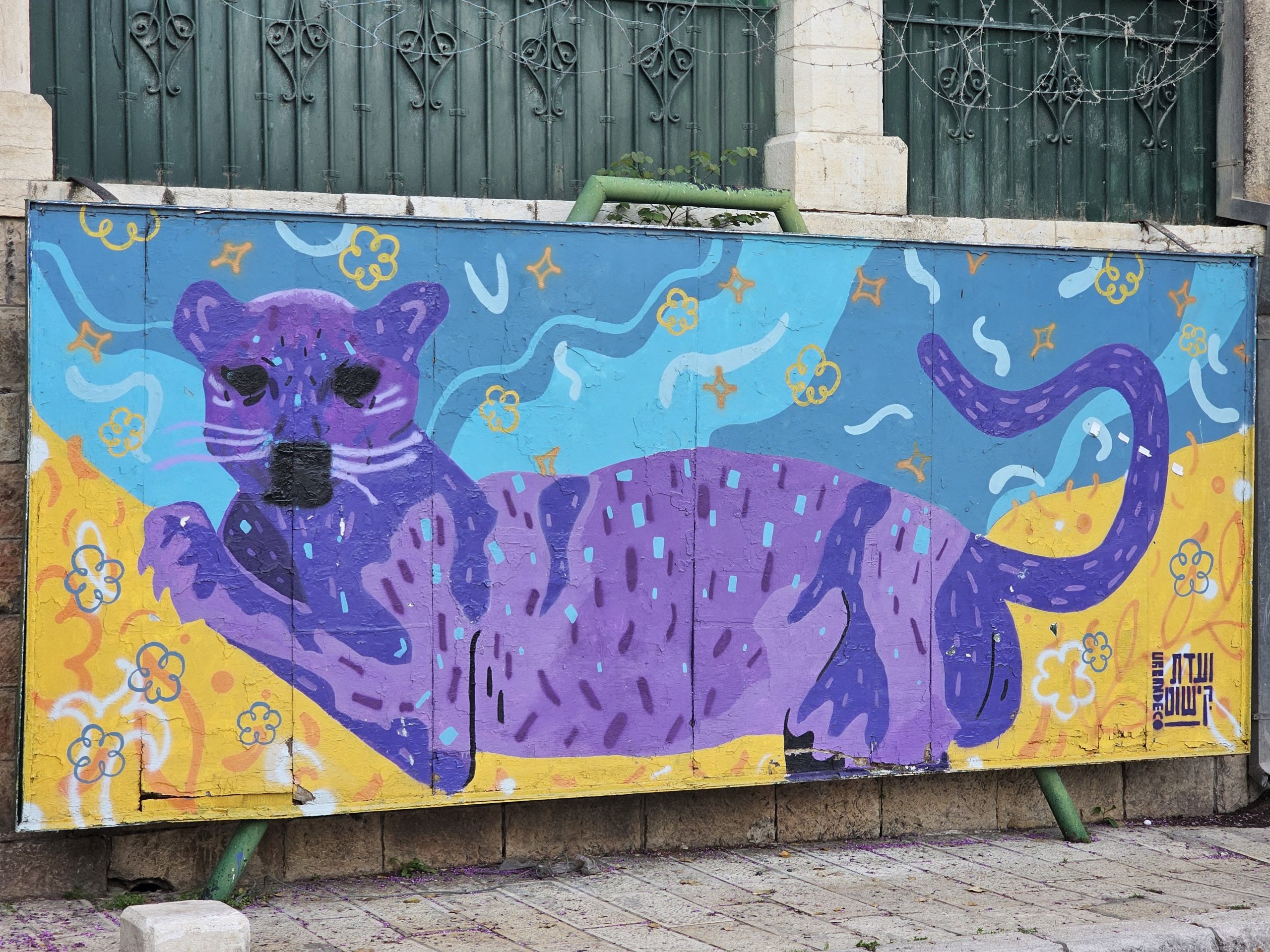
Musrara is a neighborhood that sits directly on the seam line that divided Jerusalem from 1948 to 1967. During the years of division, the houses on the eastern edge of Musrara faced the Jordanian border, and residents lived with snipers, barbed wire, and the constant threat of gunfire. Today, Musrara is undergoing rapid gentrification, its stone houses attracting artists, galleries, and young professionals, but the scars of its border-town past are still visible in the walls.
Life on the Border Jerusalem
For the immigrants who settled in Musrara after 1948, many of them Jews from Morocco, Iraq, and other Middle Eastern countries, the neighborhood was both a gift and a curse. They could see the Old City walls from their windows and rooftops, so close that the golden stone seemed almost touchable. After centuries in the diaspora, they were living within sight of the holiest city in Jewish memory. But the armistice line ran just meters from their homes. Jordanian soldiers patrolled the Old City walls above, and stray bullets were a real danger. Children played in streets that were within range of snipers on the ramparts. The proximity to the border meant cheap housing, and cheap housing meant the city settled its poorest and most vulnerable residents in its most dangerous neighborhood. The sense of being overlooked by the government while living literally in the line of fire shaped the community for a generation.
The Black Panthers and Musrara Jerusalem’s Voice
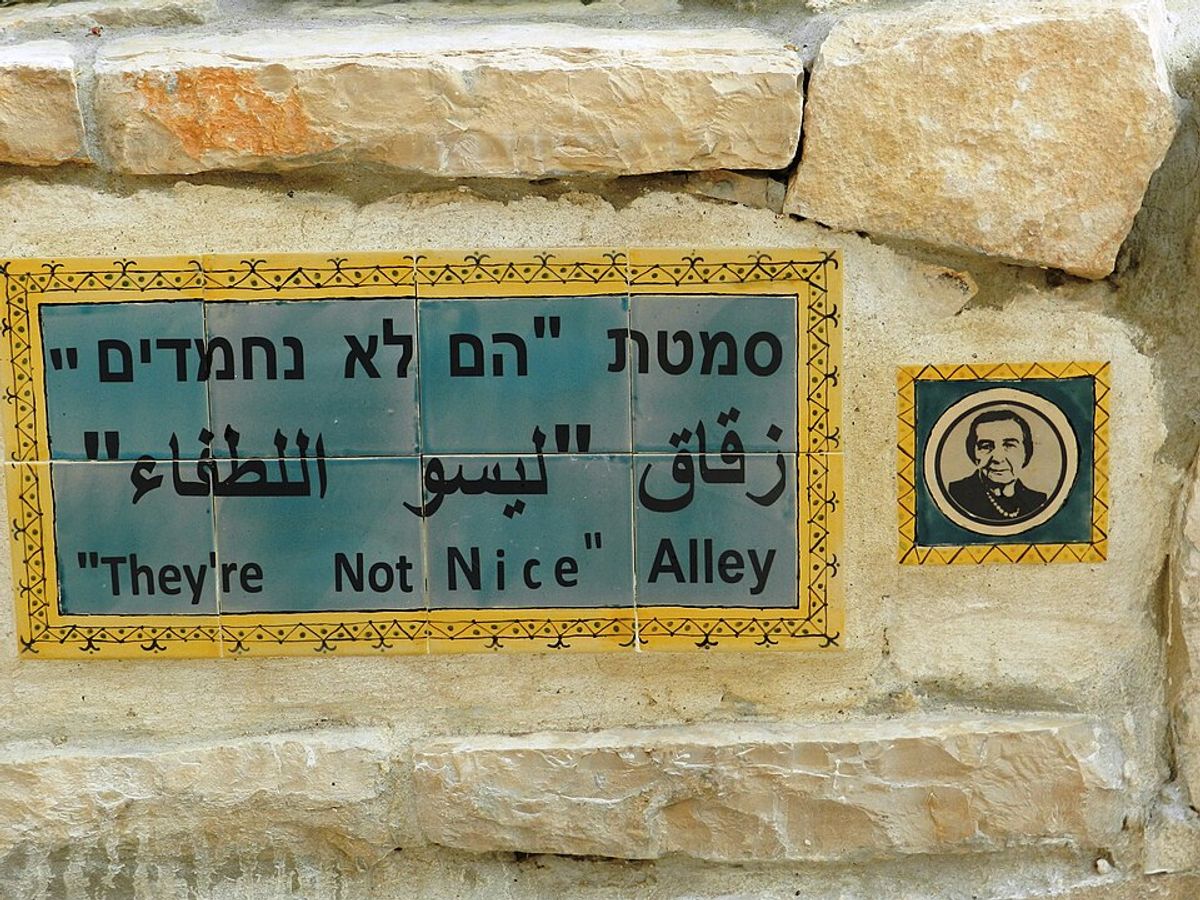
In 1971, a group of young Mizrahi men from Musrara founded the Israeli Black Panthers, a protest movement named after the American group. They were the children of the immigrants who had been placed in this border neighborhood, and they had grown up watching Ashkenazi neighborhoods receive better services, better schools, and better infrastructure. The Black Panthers organized demonstrations, confronted Prime Minister Golda Meir (who reportedly called them “not nice people,” a phrase the neighborhood later turned into a street name), and forced Israel to confront the social gap between Mizrahi and Ashkenazi communities for the first time. The movement faded, but its impact lasted. Today a street sign in Musrara reads “They’re Not Nice Alley,” a reminder of the moment when this neighborhood refused to be invisible.
Musrara Today
Since the 1990s, Musrara has undergone a gradual transformation. The Musrara School of Art, the Barbur Gallery, and a growing number of studios and cultural spaces have drawn artists and young professionals to the neighborhood. The old Ottoman and Mandate-era stone buildings have been restored, and the rents, once the lowest in central Jerusalem, have risen steadily. The neighborhood still sits on the seam between East and West Jerusalem, and the view of the Old City walls from its streets remains one of the most striking in the city.
Visit with Hoshen Tours
Musrara sat directly on the border between Israel and Jordan from 1948 to 1967, and its story is one of frontline life and social revolution. Hoshen Tours walks through the neighborhood’s Ottoman-era buildings and border-era scars, connecting the story to nearby Russian Compound and HaNeviim Street. The walk leads naturally toward Mea Shearim to the north and the Old City walls to the east, where Ammunition Hill tells the military chapter of the same divided-city story.
Explore Our Tour Collection
Ready to experience Israel in true colors?
Plan Your TourPrivate tours designed around your interests, schedule, and pace.