



Shiloh is the site where the Tabernacle (Mishkan), the portable sanctuary that the Israelites carried through the desert, according to the Talmud, stood for approximately 369 years, from the time of Joshua’s conquest until the Ark of the Covenant was captured by the Philistines (1 Samuel 4:11). Before Jerusalem became the center of Israelite worship, Shiloh was the religious capital of the nation, the place where the tribes gathered, where the Ark of the Covenant rested, and where Hannah prayed for a son. Located in the hills of Samaria, about 30 kilometers north of Jerusalem, the ancient site sits at a natural crossroads that made it accessible to all the tribes of Israel.
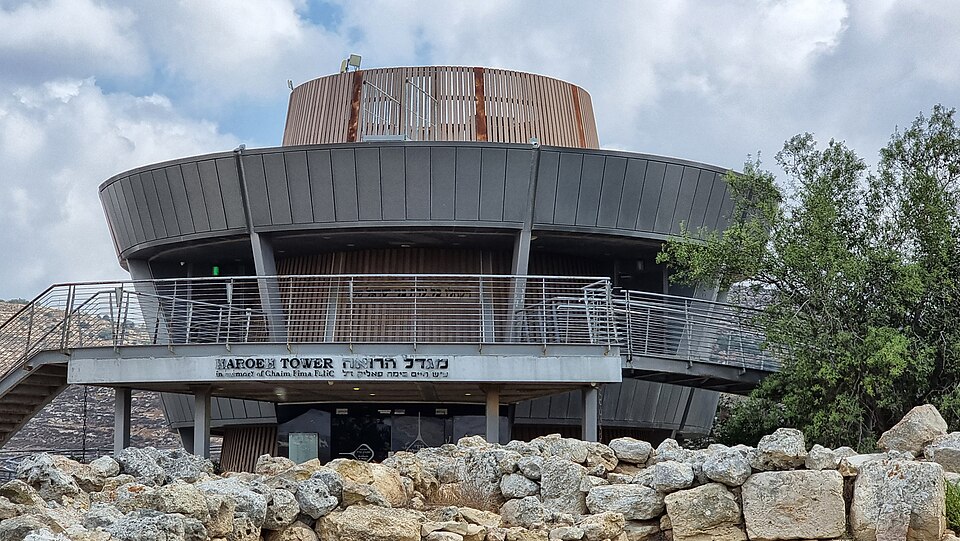
The Tabernacle
After the Israelites crossed the Jordan River and completed the initial conquest, Joshua set up the Tabernacle at Shiloh: "The whole assembly of the Israelites gathered at Shiloh and set up the tent of meeting there" (Joshua 18:1). It was here that Joshua divided the remaining land among the seven tribes that had not yet received their inheritance (Joshua 18:2-10). For nearly four centuries, Shiloh was the place where Israelites came to worship, to offer sacrifices, and to seek judgment. The Tabernacle at Shiloh was not the tent of the desert wanderings. Archaeological evidence suggests that a more permanent structure was built to house the sacred objects. The book of Judges mentions annual festivals at Shiloh where the daughters of Shiloh danced in the vineyards (Judges 21:19-21), pointing to a thriving religious center that drew worshippers from across the tribal territories.
Eli the Priest and Young Samuel
One of the most moving stories in the Bible takes place at Shiloh. Hannah, who was childless, came to the Tabernacle to pray: "In her deep anguish Hannah prayed to the Lord, weeping bitterly. And she made a vow, saying, ‘Lord Almighty, if you will only look on your servant’s misery and remember me, and not forget your servant but give her a son, then I will give him to the Lord for all the days of his life’" (1 Samuel 1:10-11). The priest Eli, watching her lips move without sound, thought she was drunk. Hannah explained, and Eli blessed her. She bore a son, Samuel, and when he was weaned, she brought him to Shiloh to serve in the Tabernacle, keeping her vow.
Samuel grew up under Eli’s care in the sanctuary at Shiloh. It was here, sleeping near the Ark of the Covenant, that the boy heard God’s voice calling him in the night (1 Samuel 3:1-14). After Eli instructed him to answer, Samuel received his first prophecy, a difficult message about the judgment coming upon Eli’s household because of the corruption of Eli’s sons, Hophni and Phinehas, who had been abusing their priestly authority. Samuel grew up to become the prophet who anointed both Saul and David as kings of Israel.
The Fall of Shiloh
Around 1050 BCE, the Philistines gathered their forces at Aphek while Israel camped at Ebenezer. After an initial defeat, the Israelites brought the Ark of the Covenant from Shiloh to the battlefield, hoping it would ensure victory. Instead, the Philistines defeated Israel decisively, killing 30,000 foot soldiers along with Eli’s sons Hophni and Phinehas, and capturing the Ark (1 Samuel 4:1-11). When a messenger brought the news to Shiloh, the 98-year-old Eli fell backward from his seat, broke his neck, and died. The Ark never returned to Shiloh.
The prophet Jeremiah later used the destruction of Shiloh as a warning to Jerusalem: "Go now to the place in Shiloh where I first made a dwelling for my Name, and see what I did to it because of the wickedness of my people Israel" (Jeremiah 7:12). The warning was ignored, and Jerusalem was destroyed by the Babylonians some four and a half centuries after Shiloh fell.
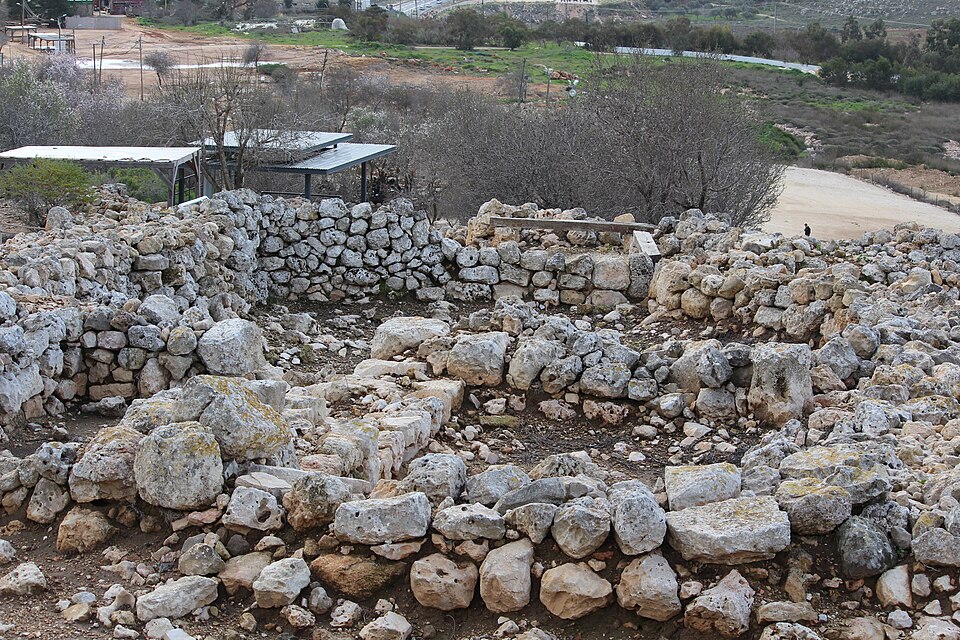
Archaeological Discoveries
Excavations at Tel Shiloh began with the Danish expedition led by Hans Kjaer in 1926-1932 and continued with Israeli archaeologist Israel Finkelstein in the 1980s. These digs revealed occupation layers spanning the Middle Bronze Age through the Ottoman period. On the northern side of the tell, archaeologists found a large flat area surrounded by a stone wall that may have served as the sacred precinct where the Tabernacle stood. Significant finds include storage pits with animal bones consistent with the remains of sacrificial offerings, collared-rim storage jars typical of the Israelite settlement period, and evidence of a destruction layer from the 11th century BCE that aligns with the biblical account of Shiloh’s fall.
Remains of Byzantine-era churches and a mosaic floor mark the spot that early Christians identified with the Tabernacle’s location. A synagogue mosaic from nearby Rehov, dating to the 6th century, also references Shiloh, showing the site’s continued importance in religious memory across the centuries.
Power of Hannah’s Prayer
Hannah’s prayer at Shiloh is considered by the Talmud to be the model for all Jewish prayer. The rabbis note that Hannah "spoke in her heart; only her lips moved, but her voice was not heard" (1 Samuel 1:13), establishing the practice of silent prayer (the Amidah) that is central to Jewish worship to this day. The Talmud derives multiple laws of prayer from Hannah’s behavior: prayer should come from the heart, the lips should move, the voice should not be heard, and a person who is drunk should not pray (because Eli mistook Hannah’s silent intensity for drunkenness). Hannah’s song of thanksgiving after Samuel’s birth, "My heart rejoices in the Lord; in the Lord my horn is lifted high" (1 Samuel 2:1), became the model for the Magnificat that Mary sang at Ein Karem (Luke 1:46-55). Two mothers, separated by a thousand years, both singing at the birth of sons they had prayed for, in words that echo across the centuries.
Visiting Tel Shiloh Today
Today, Tel Shiloh is an archaeological park open to visitors year-round. The site features walking paths through the excavation areas, offering views of the tell and the surrounding hills of Samaria. A modern visitor center uses multimedia presentations to bring the story of the Tabernacle to life, including a reconstruction of how the sanctuary may have appeared during its 369 years at the site. Visitors can walk the perimeter of the area believed to have been the Tabernacle precinct and see the remains of the Byzantine churches built by early Christians who honored this location. The site connects naturally with other Samaria destinations such as Shechem, Jacob’s Well, and Sebastia.
Visit with Hoshen Tours
Shiloh is where Israel’s worship story begins. Hoshen Tours visits the site and tells the story of the Tabernacle, Hannah’s prayer, Samuel’s calling, and the destruction that Jeremiah used as a warning to Jerusalem. For Christian pilgrims, the connection between Hannah’s song and Mary’s Magnificat makes this site a deeply meaningful stop on any tour through the biblical heartland. Hoshen Tours often combines this site with Josephs Tomb, Jacobs Well, and Mount Gerizim Site for a memorable day exploring the region.
Explore Our Tour Collection
Ready to experience Israel in true colors?
Plan Your TourPrivate tours designed around your interests, schedule, and pace.