



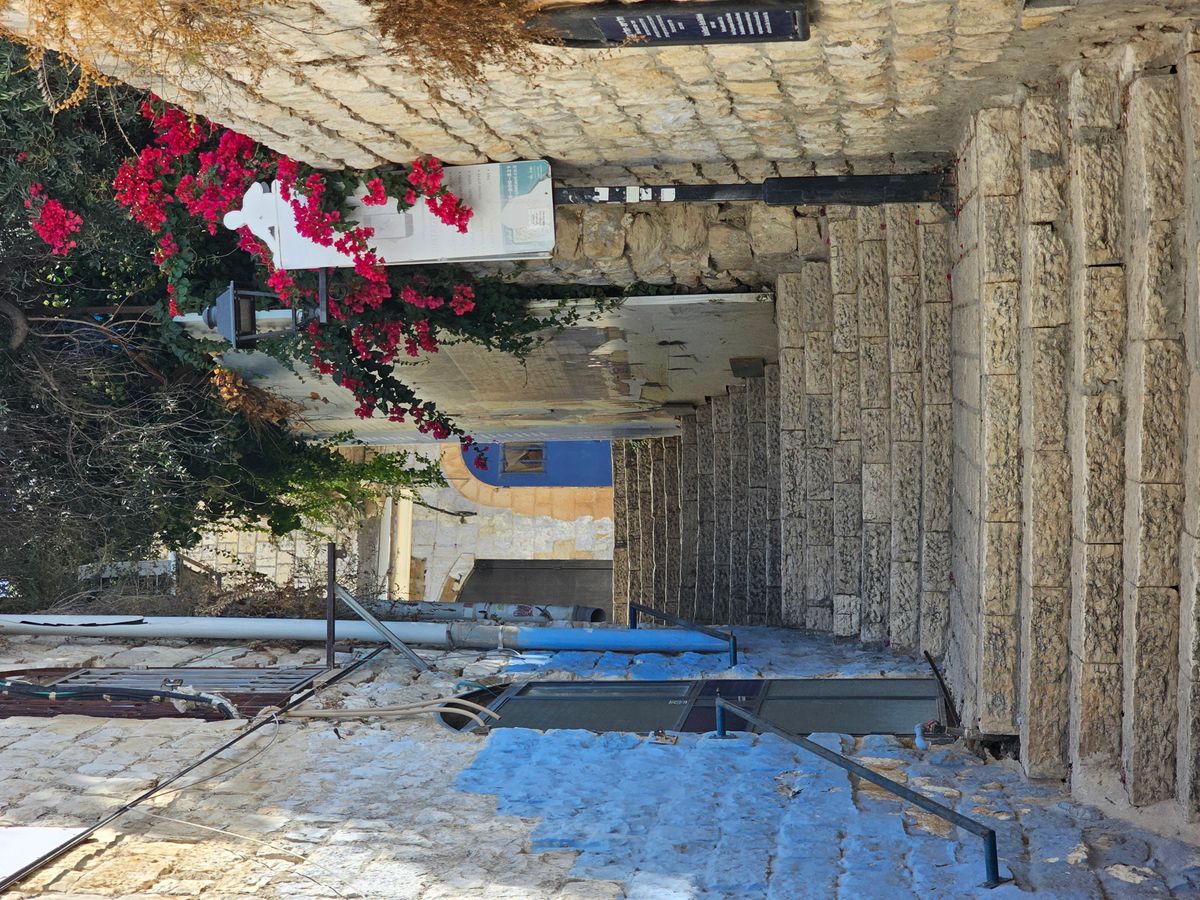
In the 16th century, a small hilltop town in the Galilee became the intellectual and spiritual capital of the Jewish world. Safed in the 1500s was home to the greatest concentration of Jewish scholars, mystics, and legal authorities since the Talmudic academies of Babylon. What happened here in the span of a few decades shaped Jewish thought, law, and prayer in ways that are still felt today.
Why Safed?
After the expulsion of Jews from Spain in 1492, waves of Sephardic refugees arrived in the Ottoman Empire. Many settled in Safed, drawn by the Galilee’s spiritual associations and the town’s growing textile industry, which provided economic opportunity. Within a generation, Safed’s population swelled, and the town attracted an extraordinary gathering of minds.
The Golden Age
Rabbi Joseph Caro, author of the Shulchan Aruch (the most authoritative code of Jewish law, still used today), lived and taught in Safed. Rabbi Isaac Luria, known as the Ari, revolutionized Kabbalah and created a mystical system that influenced Jewish prayer and practice worldwide. Rabbi Shlomo Alkabetz composed Lecha Dodi, the Friday evening hymn sung in virtually every synagogue in the world. And the first Hebrew printing press in the region was established in Safed in 1577.
All of this happened in a town of perhaps 10,000 people, perched on a hilltop in the Galilee. The concentration of genius was remarkable, and Safed’s influence on Judaism is comparable to Florence’s influence on the Renaissance.
Experience the Legacy with Hoshen Tours
Walking through Safed’s synagogue quarter with a knowledgeable guide brings the 16th century to life. The synagogues of the Ari and Caro are still active, and the traditions they established are practiced daily in these same rooms.