



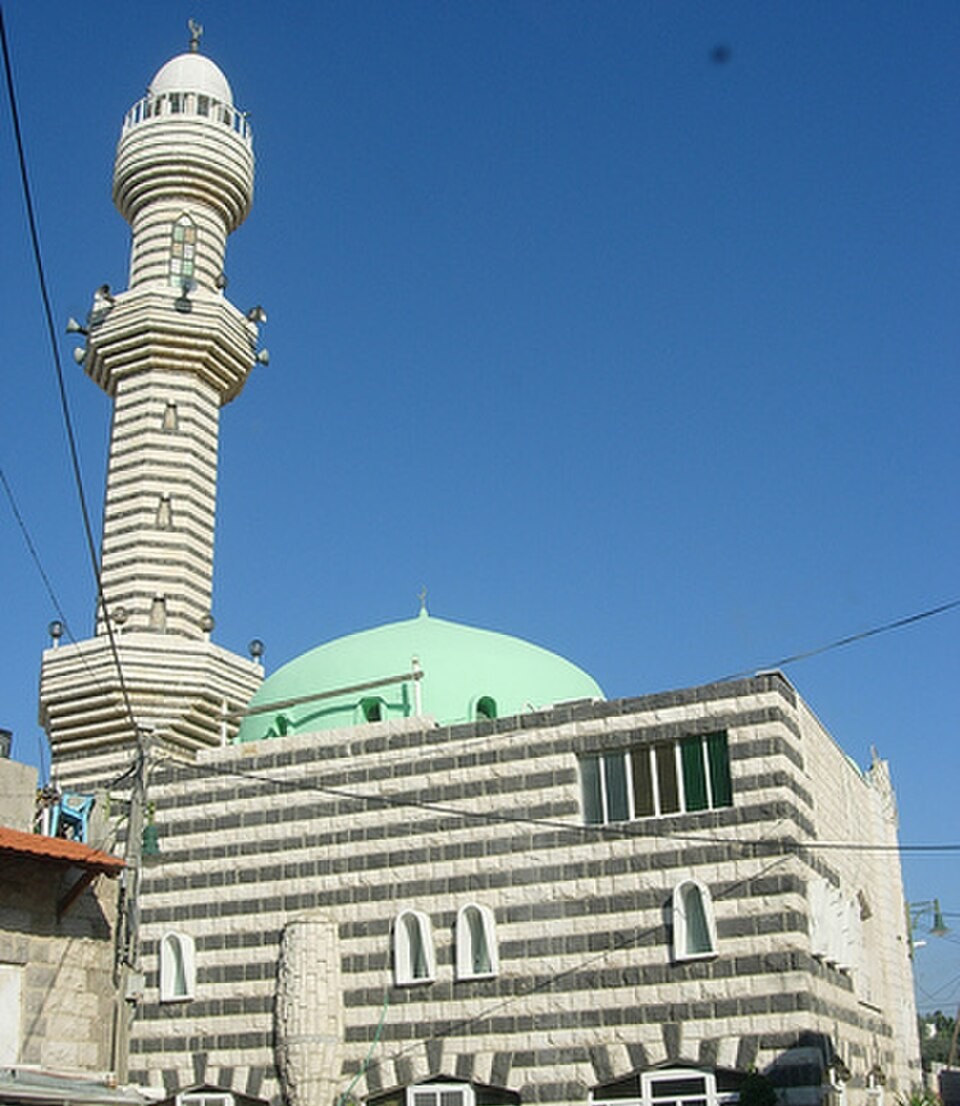
 In two small villages in northern Israel, a community of people speaks a language that originated in the Caucasus Mountains, serves in the Israeli army with distinction, and maintains traditions that are over a thousand years old. The Circassians of Israel are one of the country’s smallest and least-known minorities, and their story, which stretches from the mountains between the Black Sea and the Caspian Sea to the fields of the Galilee, is one of the most fascinating in the region.
From the Caucasus to the Galilee
The Circassians, known in their own language as Adyghe, are an ancient people from the northwestern Caucasus. In the 19th century, the Russian Empire conquered the Caucasus in a series of brutal campaigns that killed hundreds of thousands and forced over a million Circassians into exile. The Ottoman Empire, which controlled much of the Middle East at the time, resettled Circassian refugees across its territories, from the Balkans to Jordan to the Land of Israel.
In the 1870s, two groups of Circassian families were settled in the Galilee by the Ottoman authorities. They founded the villages of Kfar Kama, near Mount Tabor, and Rehaniya, in the upper Galilee. These two villages remain the home of Israel’s Circassian community, which today numbers approximately 4,500 people.
A Unique Identity
The Circassians of Israel are Sunni Muslims, but their identity is primarily ethnic rather than religious. They maintain their Adyghe language, their traditional dances, their distinctive cuisine, and their codes of honor and hospitality with a determination that has preserved their culture through 150 years of displacement.
Unlike most of Israel’s Arab and Muslim minorities, the Circassians serve in the Israel Defense Forces, a decision made by the community’s leaders shortly after the establishment of the state. Circassian soldiers have served with distinction in combat units, border police, and intelligence, and the community takes considerable pride in its military service.
Kfar Kama
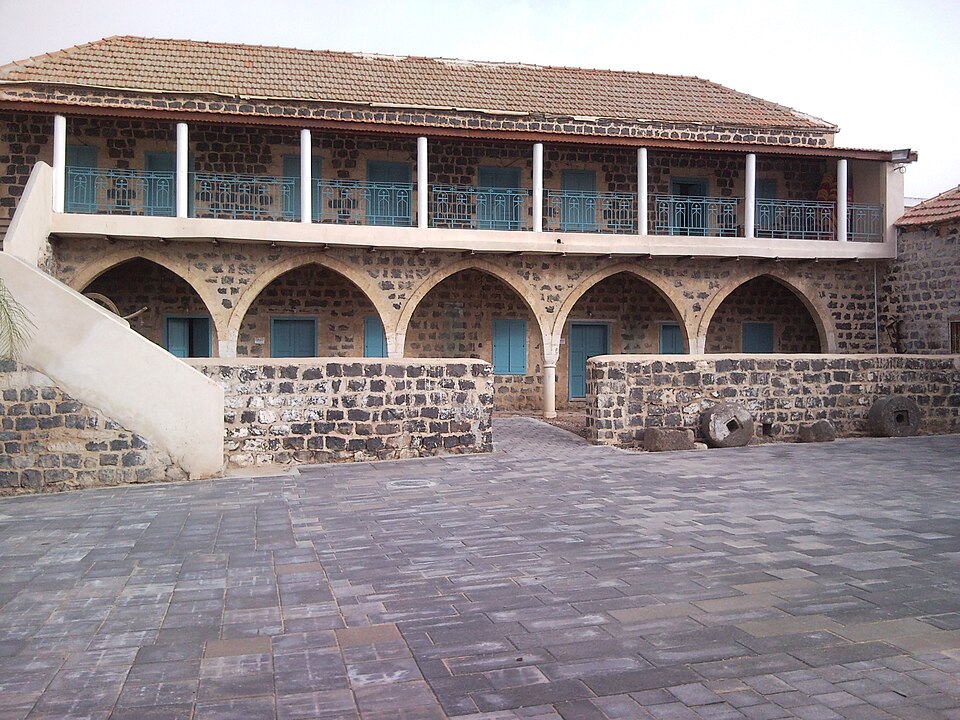 Kfar Kama, the larger of the two Circassian villages, sits on a hillside near the foot of Mount Tabor with views across the Jezreel Valley. The village has a small but excellent museum dedicated to Circassian history and culture, with exhibits on traditional clothing, weapons, crafts, and the story of the exile from the Caucasus.
The village is clean, well-maintained, and welcoming to visitors. Traditional Circassian houses, with their distinctive architecture, line the streets, and the mosque at the center of the village serves as both a religious and a community center. Visitors are often invited to see traditional Circassian dance performances, which feature acrobatic movements, dramatic sword work, and music that sounds nothing like anything else in the Middle East.
Rehaniya: The Second Village
Rehaniya, the second and smaller Circassian village in Israel, sits in the hills of the upper Galilee between Safed and the Lebanese border. More remote and rural than Kfar Kama, Rehaniya has about 1,000 residents and a quieter atmosphere. The village is surrounded by forests and agricultural land, and its elevation gives it cool summers and cold winters that remind the older residents of the Caucasus their grandparents were forced to leave.
Rehaniya maintains its Adyghe identity with the same determination as Kfar Kama. The language is spoken at home, traditional dances are taught to children, and the community keeps its connection to the global Circassian diaspora, spread across Turkey, Jordan, Syria, and beyond. While Kfar Kama has developed more tourism infrastructure, Rehaniya offers a more intimate encounter with Circassian village life for visitors willing to go off the beaten path.
Circassian Cuisine
Circassian food is a highlight for visitors. The cuisine features dishes that reflect the community’s Caucasian origins, including walnut-stuffed chicken, cheese-filled pastries, and a distinctive corn-based porridge. Several restaurants in Kfar Kama serve traditional Circassian meals, and the experience of eating Caucasus cuisine in the heart of the Galilee is one of those delightful incongruities that makes Israel endlessly interesting.
Visit with Hoshen Tours
The Circassian villages are a unique addition to any Galilee itinerary. Hoshen Tours includes Kfar Kama in tours that combine the village with nearby sites like Mount Tabor, Nazareth, and the Jezreel Valley, offering visitors an encounter with a community that most people in Israel, let alone visitors, know very little about.
Because Israel is full of surprises. And a Caucasian community dancing with swords in a village near Mount Tabor is one of the best ones.
Explore Our Tour Collection
Ready to experience Israel in true colors?
Plan Your TourPrivate tours designed around your interests, schedule, and pace.