



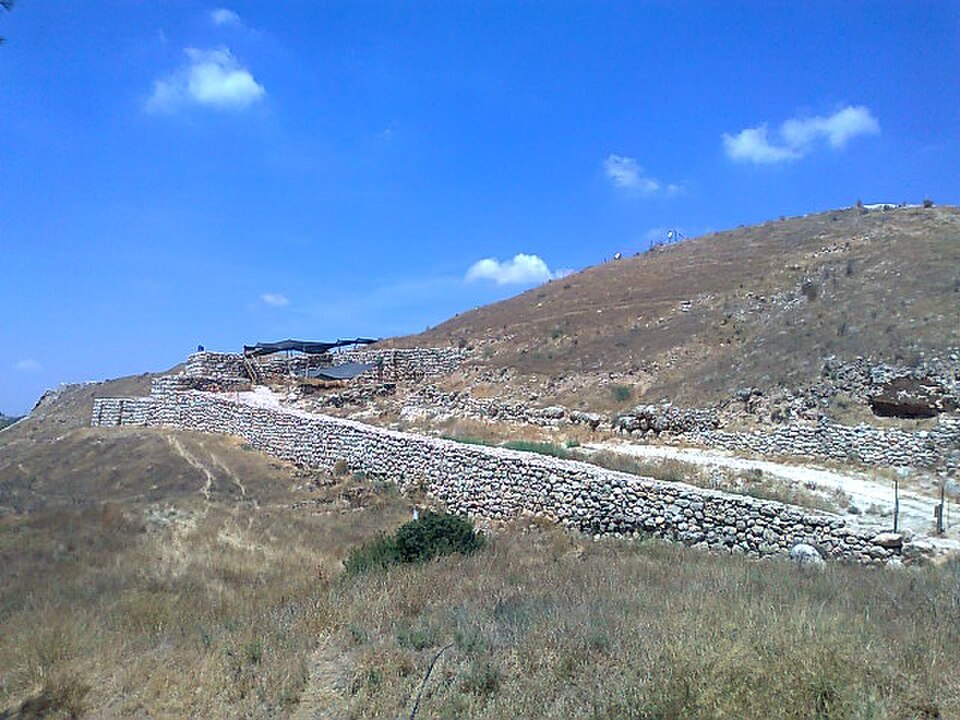
Tel Lachish is the second most important city in the biblical Kingdom of Judah after Jerusalem, a massive fortified tell that dominates the surrounding foothills and guards the approach to Jerusalem from the southwest. The city was destroyed twice in spectacular fashion, by the Assyrians in 701 BCE and by the Babylonians in 586 BCE, and both destructions are documented in both the Bible and the archaeological record with extraordinary detail.
Assyrian Siege (701 BCE)
When the Assyrian king Sennacherib invaded Judah, he besieged and captured Lachish before advancing on Jerusalem. The siege is described in the Bible: “Sennacherib king of Assyria attacked all the fortified cities of Judah and captured them” (2 Kings 18:13). But the most remarkable evidence comes from Sennacherib’s own palace at Nineveh (modern Iraq), where an entire room was covered with carved stone reliefs depicting the siege of Lachish in graphic detail: Assyrian siege ramps, battering rams, archers, defenders on the walls, captives being marched into exile, and the impaled bodies of the defeated. These reliefs, now in the British Museum, are the most detailed depiction of ancient siege warfare ever found, and they show the city that visitors see at Tel Lachish.
Siege Ramp
The Assyrian siege ramp, built against the southwestern corner of the city wall, has been excavated and is still visible at the site. It is the only Assyrian siege ramp ever found archaeologically, and it matches the siege ramp depicted in the Nineveh reliefs. The Judean defenders built a counter-ramp inside the city wall, and the space between the two ramps was filled with hundreds of arrowheads, sling stones, and fragments of a siege machine, the debris of the battle itself. An excavated mass grave near the site contained over 1,500 bodies, the casualties of the siege.
Babylonian Destruction (586 BCE)
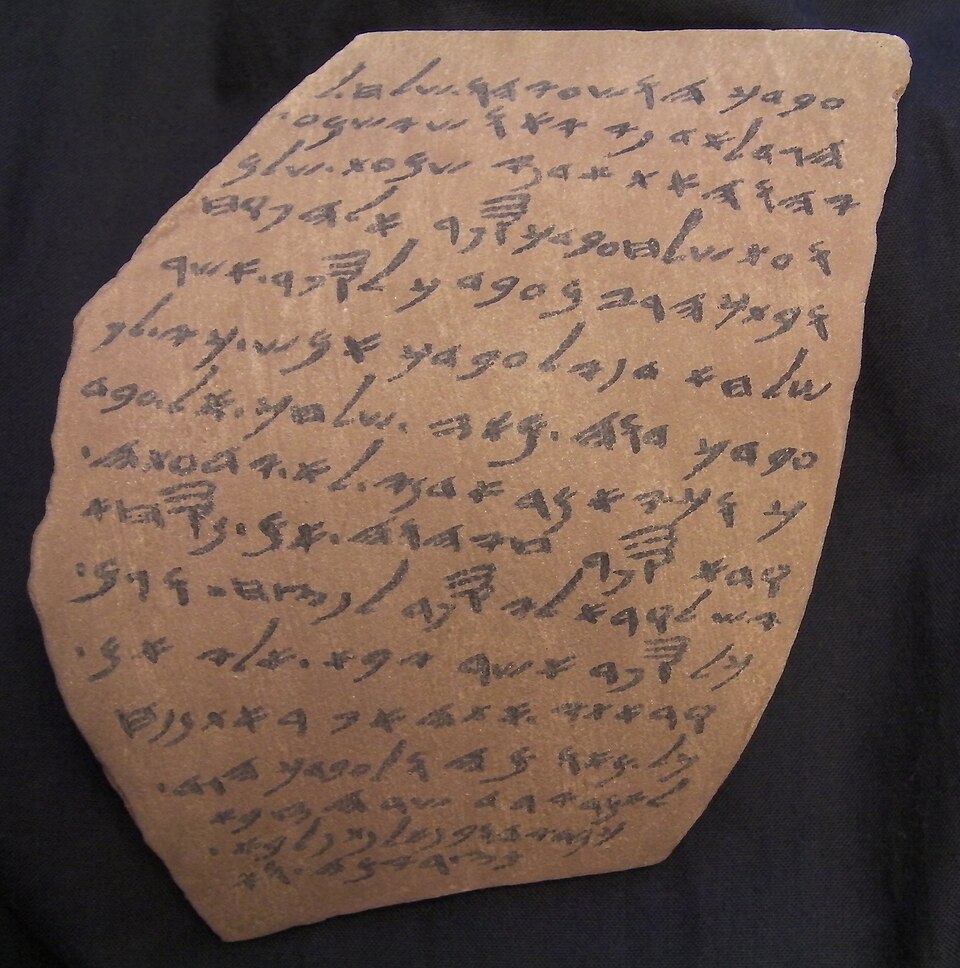 Lachish was destroyed a second time by the Babylonians in 586 BCE, shortly before the destruction of Jerusalem and the Temple. The most famous finds from this destruction are the Lachish Letters, a collection of ostraca (pottery shards with ink inscriptions) found in the guardroom of the city gate. The letters, written by a military officer named Hoshaiah to his commander Yaush, describe the desperate final days of the kingdom: “We are watching for the fire signals of Lachish, according to all the signs which my lord gave, because we cannot see Azekah.” The implication is devastating: Azekah, another fortified city, had already fallen, and Lachish was next. The letters are among the most vivid documents from the biblical period.
City Gate
The Israelite city gate at Lachish is one of the largest and best-preserved in Israel, a massive six-chambered gate complex that controlled access to the city. The gate chambers may have served as shops, administrative offices, or law courts, consistent with the biblical description of legal proceedings “in the gate” (Ruth 4:1). The gate is where the Lachish Letters were found, in the guardroom where the last defenders received their final dispatches.
The Royal Palace-Fort
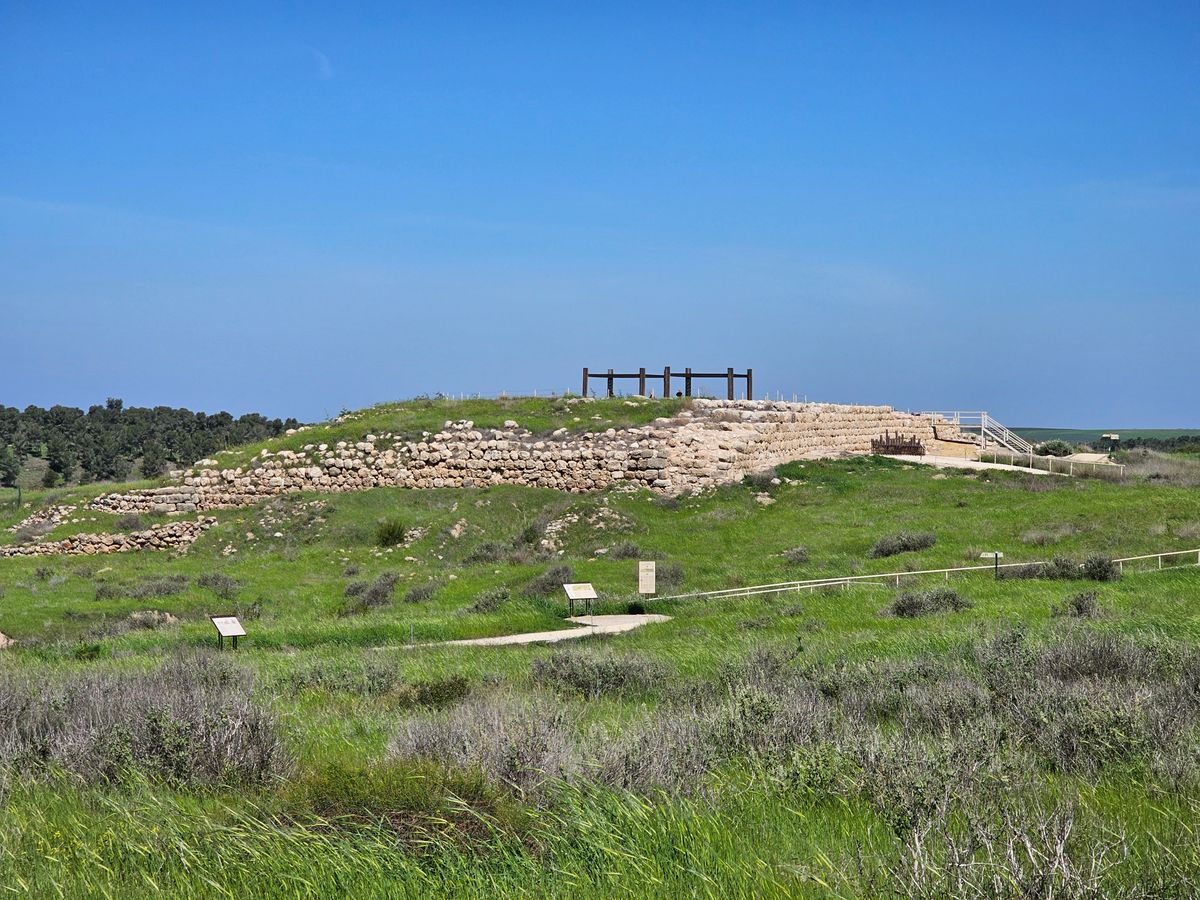 At the summit of the tell, the remains of a large palace-fort (the “Great Building”) represent the administrative center of Judah’s second city. The building was constructed during the reign of King Rehoboam, who fortified Lachish as a border defense: “Rehoboam lived in Jerusalem and built up towns for defense in Judah: Bethlehem, Etam, Tekoa, Beth Zur, Soko, Adullam, Gath, Mareshah, Ziph, Adoraim, Lachish, Azekah” (2 Chronicles 11:5-9).
Gate Shrine and the Toilet
One of the most fascinating discoveries at Lachish was made in the city gate complex: a small shrine containing an altar with its horns deliberately cut off, incense burners, and stone stelae (standing stones) that had been intentionally smashed. But the most astonishing find was a carved stone toilet seat installed in the Holy of Holies of the shrine. The toilet had never been used (no organic residue was found), which means it was placed there as a symbolic act of desecration, deliberately defiling the shrine to prevent it from ever being used for worship again.
The archaeologist Sa’ar Ganor, who led the excavation for the Israel Antiquities Authority, was initially puzzled by the toilet until he found the biblical parallel. The Book of Kings describes how Jehu, after destroying the temple of Baal in Samaria, turned it into a latrine: “They demolished the sacred stone of Baal and tore down the temple of Baal, and people have used it as a latrine to this day” (2 Kings 10:27). The same practice appears to have been used at Lachish: a shrine to a deity that the king wanted eliminated was defiled by placing a toilet in its most sacred space. The discovery is one of the rare cases where an exact biblical practice has been confirmed by archaeology. The desecration of the Lachish gate shrine is consistent with the reforms of King Hezekiah, who “removed the high places, smashed the sacred stones and cut down the Asherah poles” (2 Kings 18:4).
Visit with Hoshen Tours
Tel Lachish is one of the most important biblical archaeology sites in Israel. Hoshen Tours visits the siege ramp, the gate, and the palace, telling the story of the Assyrian and Babylonian sieges with the Lachish Letters and the Nineveh reliefs as evidence. The site combines naturally with nearby Ella Valley and Beit Guvrin for a full day in the Judean Foothills.
Explore Our Tour Collection
Ready to experience Israel in true colors?
Plan Your TourPrivate tours designed around your interests, schedule, and pace.