
01
Maresha and Beit Guvrin
The Bell Caves and the Hellenistic City
A UNESCO World Heritage Site with more than 3,500 caves carved into the chalk, painted burial tombs, and a real dig you can join for a day.
Read more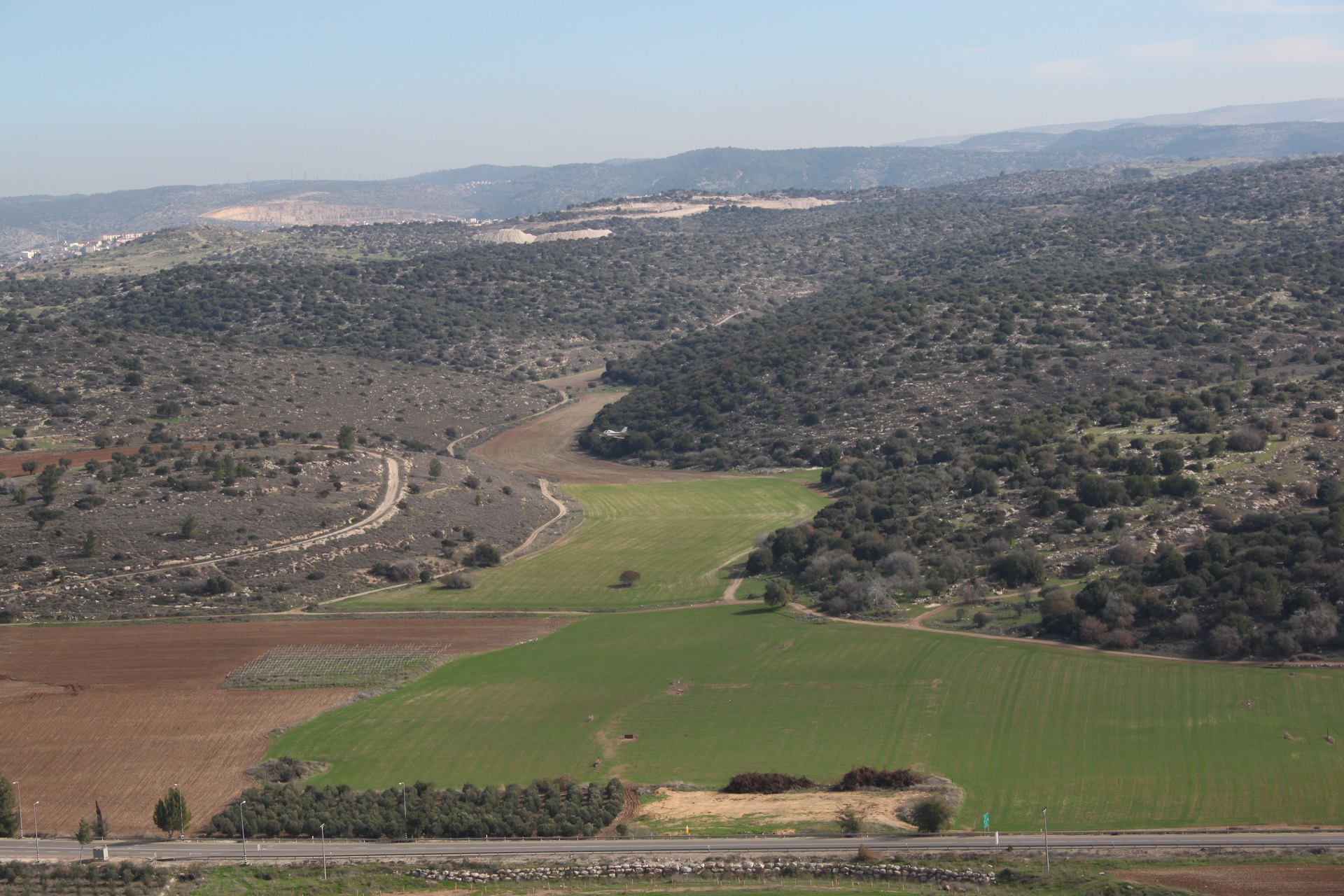
The Shephelah, the rolling hills between the coastal plain and the Judean mountains, was the border between the Israelites in the hills and the Philistines on the coast, and the Bible comes alive in its landscape. In the Ella Valley, where two ridges still face each other across a stream full of smooth stones, David faced Goliath; on the ridge above, the fortress of Khirbet Qeiyafa dates to the time of David and Saul. In the Sorek Valley Samson fell in love with Delilah, at Beit Shemesh the Ark came home on an ox cart, and over the Ayalon Valley Joshua commanded the sun to stand still.
The biblical tels are some of the most important in the country: Gezer, fortified by Solomon; Lachish, the second city of Judah, besieged by Sennacherib; and Gath, the home of Goliath. Beneath Beit Guvrin and Maresha lie more than 3,500 caves carved into the soft chalk, a UNESCO World Heritage Site where you can join a real dig for a day. And on the road to Jerusalem, Latrun and Sha’ar HaGai keep the story of 1948, while boutique wineries now fill the valleys where David once kept his flocks.
A UNESCO World Heritage Site with more than 3,500 caves carved into the chalk, painted burial tombs, and a real dig you can join for a day.
Read more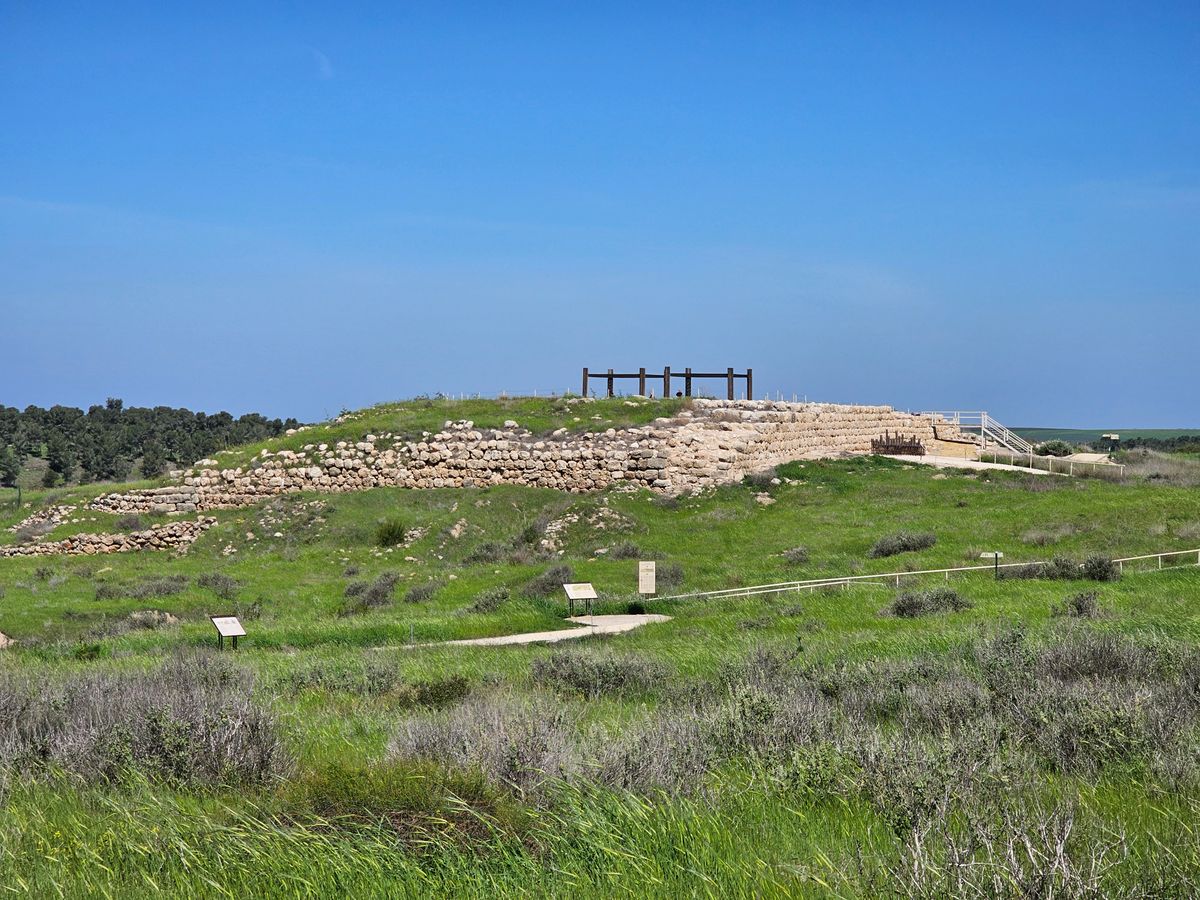
Besieged by Sennacherib in 701 BCE, its fall carved into the famous reliefs now in the British Museum.
Read more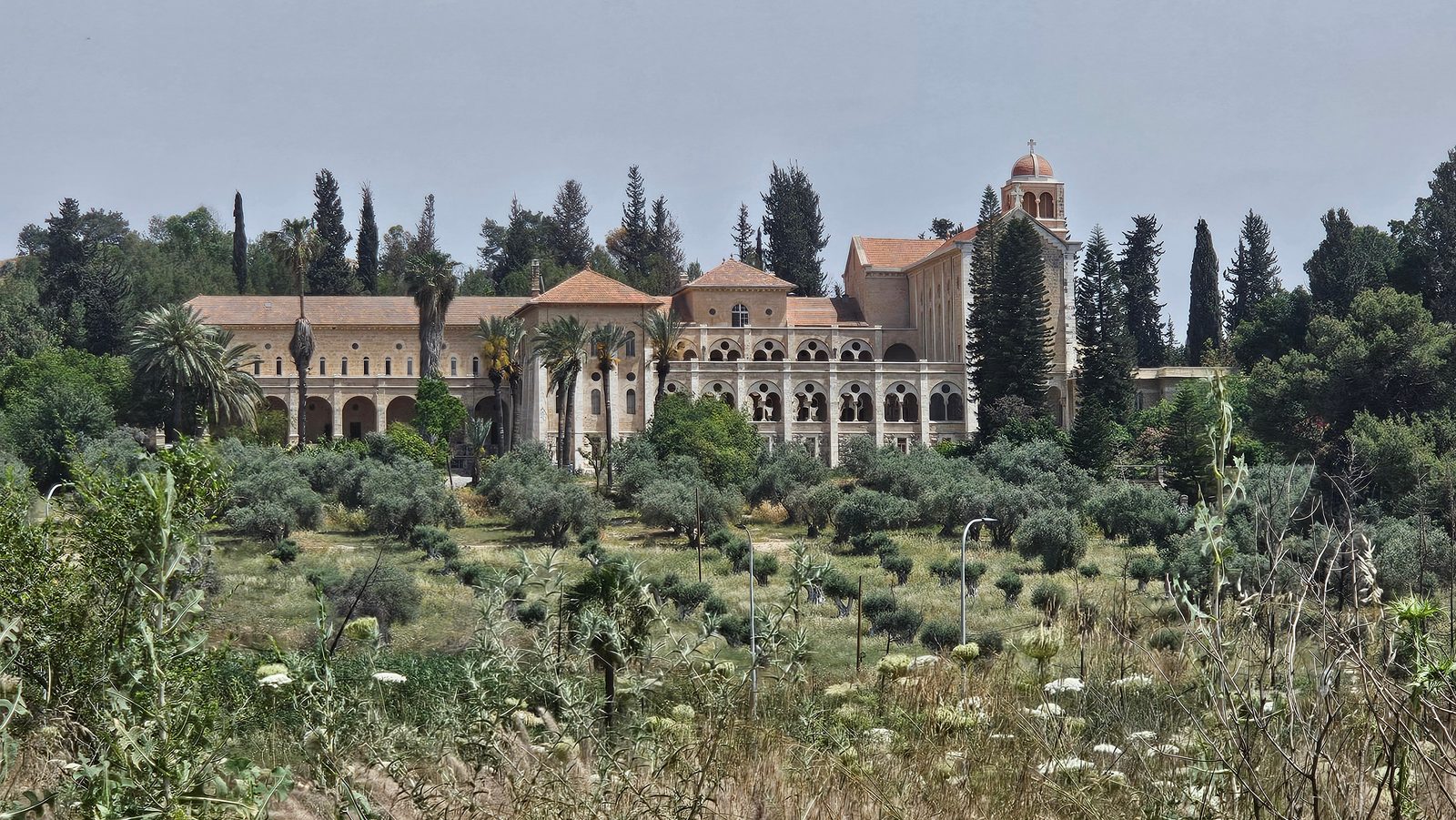
A Trappist monastery on the road to Jerusalem, known for its gardens and its wine.
Read moreIsrael’s tank museum and memorial, in the old police fortress at Latrun, where the battle for the road to Jerusalem was fought in 1948.
Read moreNo site matches that search.
Private tours designed around your interests, schedule, and pace.
