



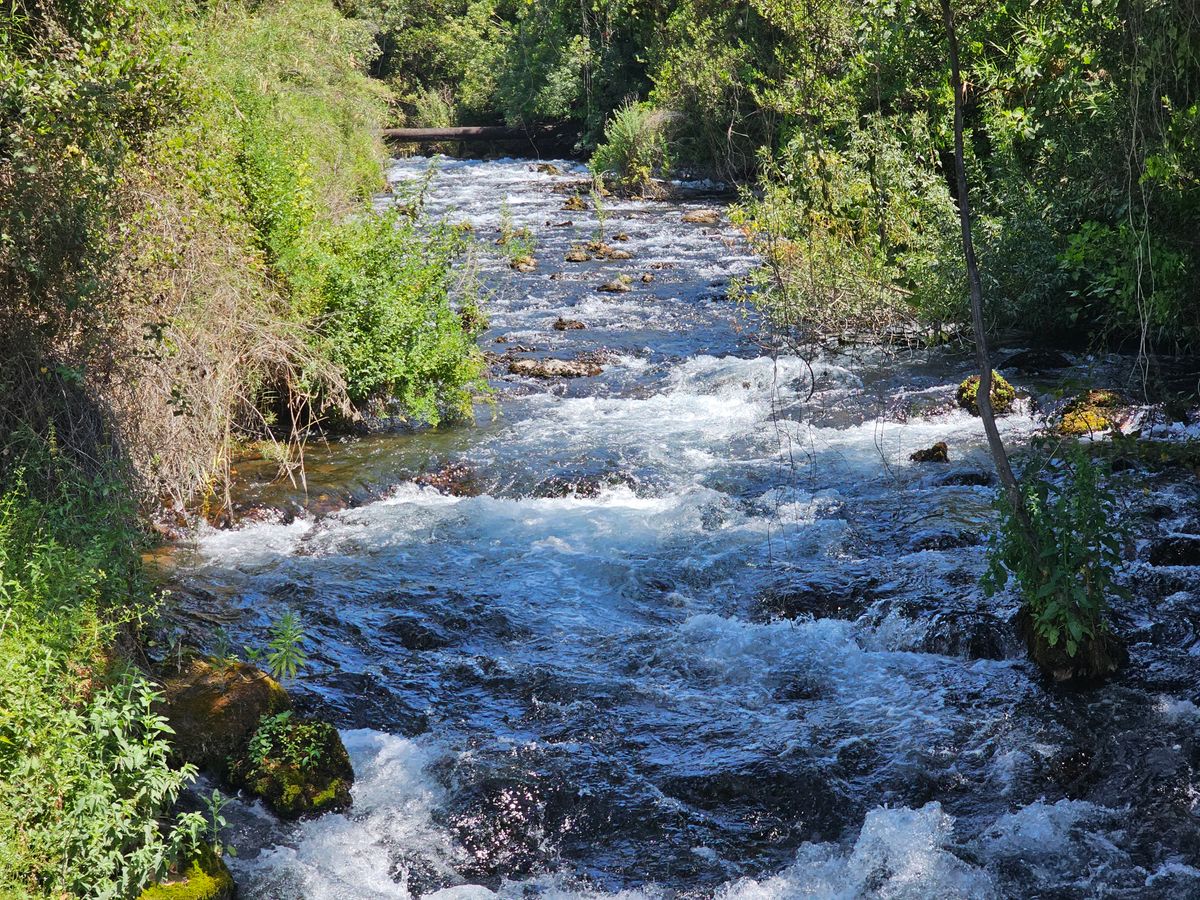
 At the very top of Israel, where underground springs burst from the earth and ancient stones still bear the names of kings, lies Tel Dan (Hebrew: תל דן). This remarkable archaeological site and nature reserve in the Upper Galilee is the place the Bible calls the northern boundary of the Promised Land — the “Dan” in the famous phrase “from Dan to Beer Sheva.” Few sites in Israel combine world-class archaeology with such breathtaking natural beauty. Walking through Tel Dan, you move seamlessly from 4,000-year-old city gates to shaded forest trails along crystal-clear streams — all within a single visit.
For anyone planning a trip to northern Israel, Tel Dan is not optional. It is one of the most rewarding stops in the entire country, offering layers of biblical history, headline-making archaeological discoveries, and some of the most beautiful walking paths you will find anywhere in the region.
Biblical History and the House of David Inscription
The city was originally called Laish, a prosperous Canaanite settlement. According to the Book of Judges, chapter 18, members of the tribe of Dan sent scouts northward, found Laish — a quiet, unsuspecting city far from its allies — conquered it, renamed it Dan, and established it as their tribal center. Centuries later, King Jeroboam I of Israel set up two golden calves — one at Bethel and one at Dan (1 Kings 12:29) — making Dan one of the two major cultic centers of the northern kingdom until the Assyrian conquest in 732 BCE.
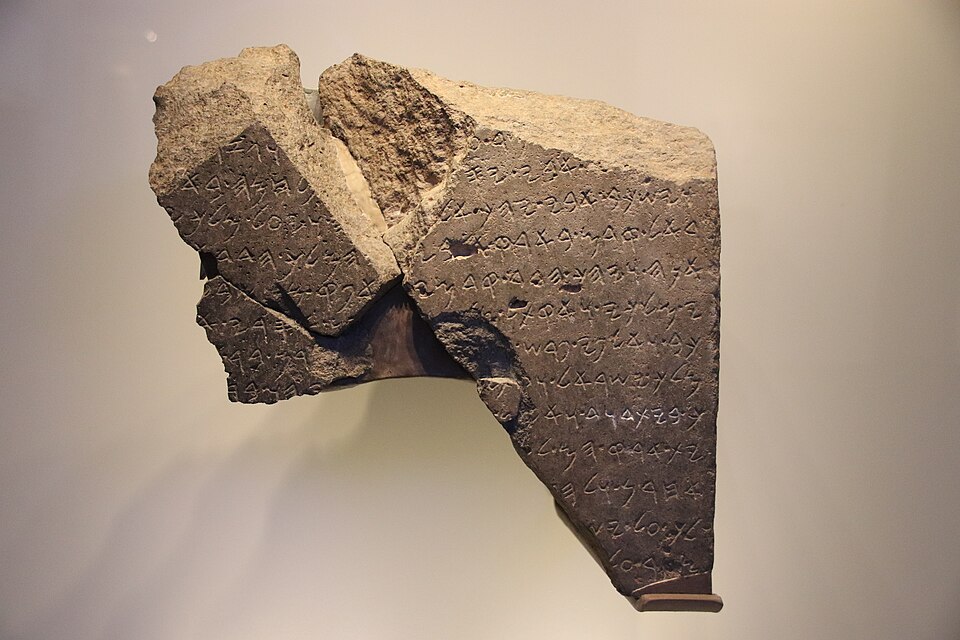 In 1993, archaeologist Avraham Biran made a discovery here that sent shockwaves through the world of biblical scholarship. Near the city gate, his team uncovered a fragment of a basalt stele — a victory monument erected by an Aramean king, most likely Hazael of Damascus, in the 9th century BCE. The inscription, written in Aramaic, mentioned the “House of David” (בית דוד) — the earliest known reference to King David’s dynasty outside the Bible itself. Two additional fragments were found in 1994. The reconstructed stele is now displayed at the Israel Museum in Jerusalem, and a replica stands at the site.
Archaeological Highlights
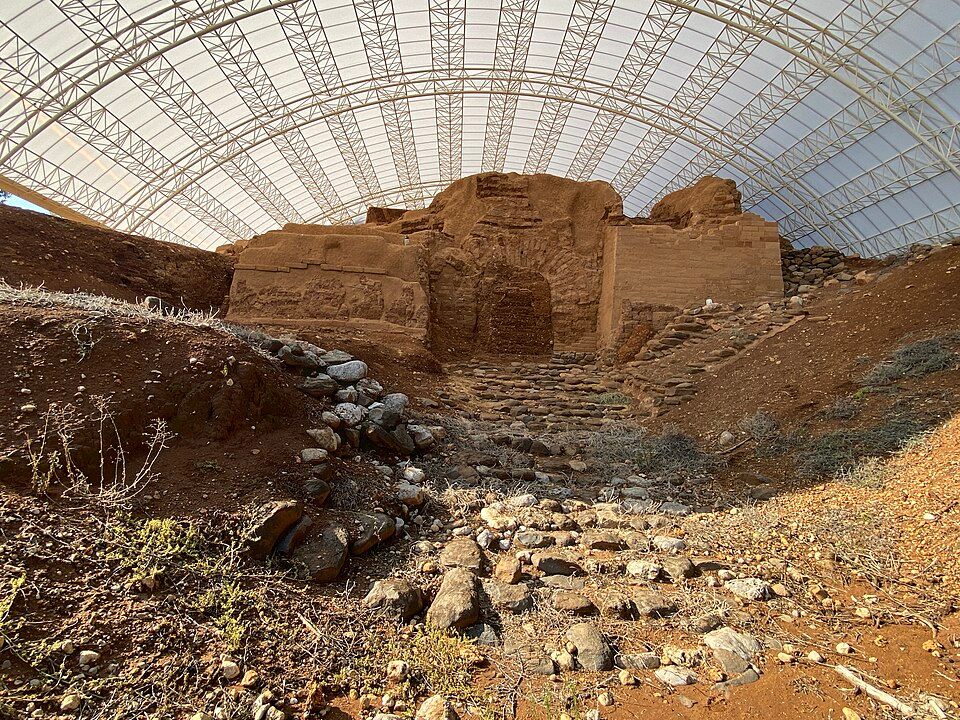 Tel Dan has been excavated extensively since 1966, and several features are exceptionally well preserved. The Canaanite mudbrick gate, dating to approximately 1750 BCE, stands nearly intact to about seven meters and is considered the oldest arched gate discovered anywhere in the world — predating Roman arches by well over a millennium. A modern shelter protects the structure, and visitors can walk right up to appreciate the sophistication of Canaanite engineering nearly four thousand years ago.
The Israelite city gate (9th–8th centuries BCE) is one of the best-preserved gate systems in the ancient Near East. The four-chambered gate features bench-lined chambers where elders would have sat to conduct business and render judgments — exactly as described in numerous biblical passages. It was near this gate that fragments of the famous Tel Dan Stele were discovered. In the northern part of the tel, archaeologists uncovered a large raised platform (bamah) built of ashlar stones, believed to be the sacred precinct where tradition holds Jeroboam’s altar once stood. Ritual objects found at the site — metal shovels, an incense holder — support the identification of this area as a major cultic center.
The Dan Nature Reserve
Tel Dan is not only an archaeological treasure — it is also one of the most beautiful nature reserves in Israel. The Dan Spring is one of the three primary sources of the Jordan River (alongside the Banias and the Snir/Hasbani), creating a lush, almost jungle-like environment that feels completely different from the arid landscapes many visitors associate with Israel. Shaded walking trails wind through a dense canopy of laurel, willow, Syrian ash, and Atlantic pistachio trees — some estimated to be hundreds of years old. Along the trails, visitors encounter the remains of flour mills from the Ottoman period, their channels still carrying rushing water.
Two trail loops are available: the shorter route (approximately 45 minutes) covers the main archaeological highlights and the spring, while the longer route (roughly 90 minutes) extends deeper into the nature reserve past ancient mills and through denser forest. Both are well-maintained with boardwalks and bridges, and the mostly flat terrain makes Tel Dan one of the easier nature walks in northern Israel.
Planning Your Visit
Tel Dan is managed by the Israel Nature and Parks Authority and is open year-round. A visit typically takes one and a half to two and a half hours. Spring (March–May) and autumn (October–November) offer the most comfortable temperatures, though summer visits are pleasant thanks to the dense shade. Comfortable walking shoes are essential — some trail sections can be muddy after rain.
The site sits in one of the most attraction-rich areas of northern Israel. About ten kilometers to the east lies Banias (Caesarea Philippi), another of the Jordan River’s sources, with its own impressive waterfall, Roman temple ruins, and connections to the New Testament. Together, Tel Dan and Banias make a natural pairing for a day in the north. The broader Upper Galilee region offers Safed (Tzfat) with its mystical Kabbalistic heritage, the Hula Valley for birdwatching, and the ancient Canaanite city of Hazor.
Tel Dan rewards knowledge — the ruins span nearly four thousand years, and a knowledgeable guide brings layers to life that signage alone cannot convey. At Hoshen Tours, we design private itineraries that give you the time and context to experience Tel Dan properly. Contact us to include Tel Dan in your private tour of northern Israel.
Ready to experience Israel in true colors?
Plan Your TourPrivate tours designed around your interests, schedule, and pace.