



Sha’ar HaGai (Bab el-Wad in Arabic) is the narrow mountain pass through which the road from Tel Aviv climbs to Jerusalem. In 1948, during the War of Independence, this pass became a death trap. Arab forces held the heights on both sides and ambushed the convoys trying to bring food, water, and ammunition to the besieged Jewish population of Jerusalem. Dozens of armored trucks were destroyed, their drivers and passengers killed, and Jerusalem came close to starvation.
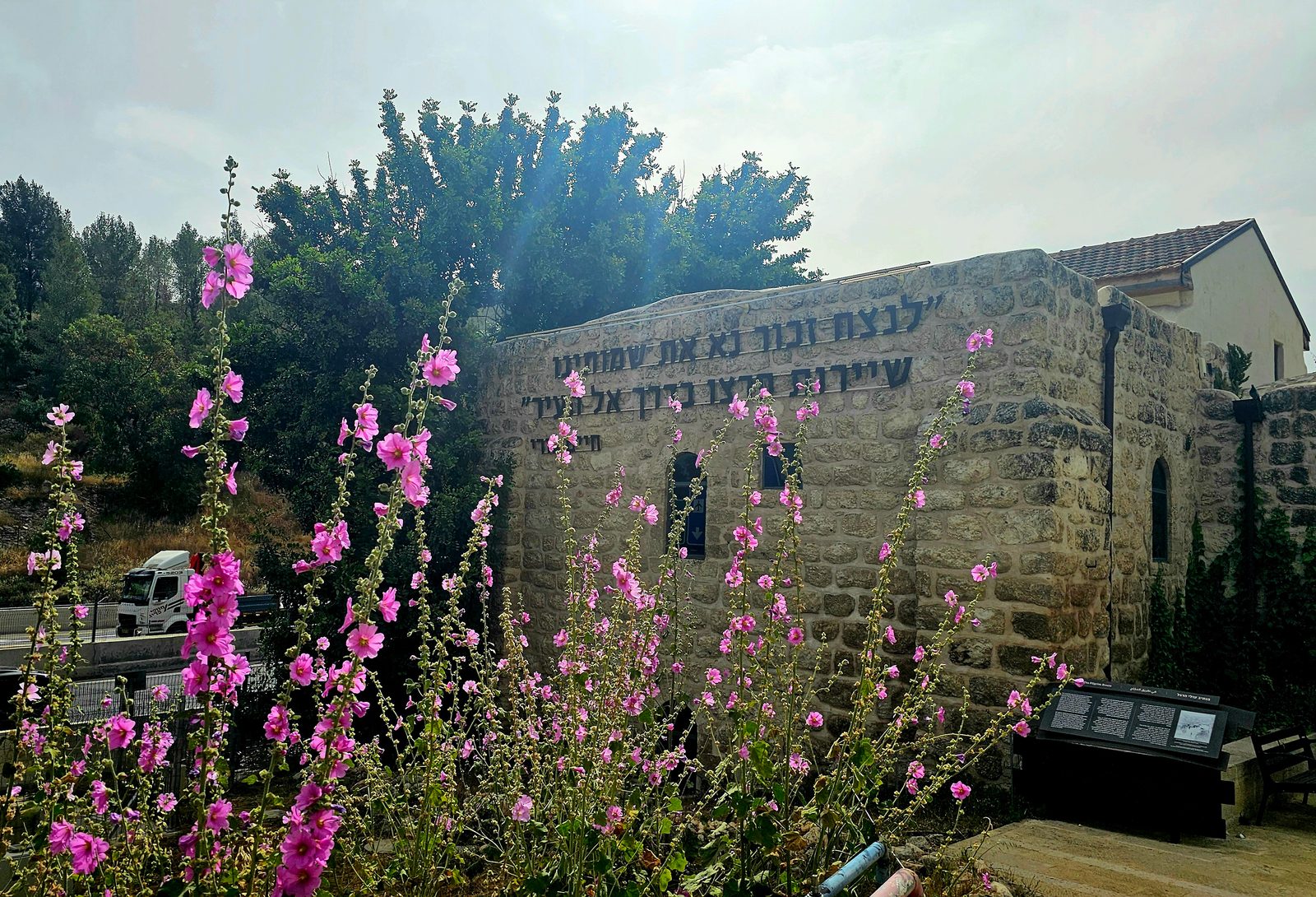
The Convoys to Jerusalem at Sha’ar HaGai: The Gateway to Jerusalem
The convoys to Jerusalem were among the most desperate operations of the 1948 war. Trucks were improvised with steel plates for armor, drivers volunteered knowing they might not return, and the loads they carried, flour, fuel, weapons, were the difference between survival and surrender for 100,000 Jews in Jerusalem. Many convoys were ambushed in the narrow defile of Sha’ar HaGai, where the road runs through a steep valley with no room to maneuver.
Armored Vehicles on the Roadside
Today, the rusted hulks of armored trucks from the 1948 convoys line the side of the highway as you ascend toward Jerusalem. Each truck is painted and preserved where it was hit, a memorial to the drivers and fighters who died trying to keep Jerusalem alive. The sight of these ruined vehicles, passed by thousands of cars every day on the modern highway, is one of the most powerful roadside memorials in the world.
Bab el-Wad by Haim Gouri
The Hebrew song “Bab el-Wad” by Haim Gouri, written in 1948, is one of the most famous songs of the War of Independence: “Here I will not tell you of the gardens and the spring / I will only tell you about them, who paved this road.” The song is taught in every Israeli school and is still sung at memorial ceremonies.
The Burma Road
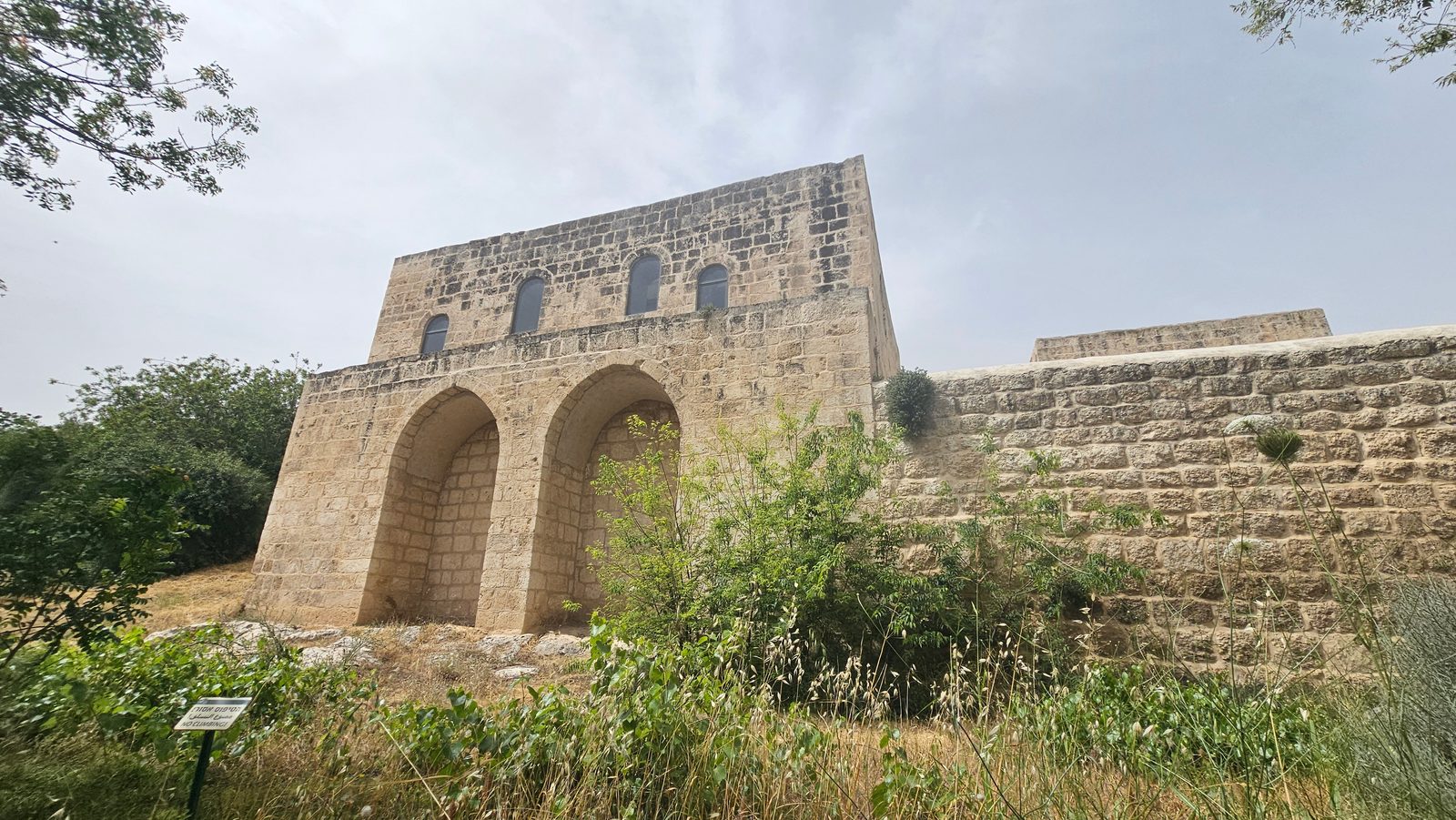
When the pass at Sha’ar HaGai became impassable, the situation in Jerusalem grew desperate. In June 1948, with the city on the verge of collapse, Israeli forces carved a secret alternative route through the hills to the south. The road, named the Burma Road after the famous World War II supply route in Southeast Asia, was built in a matter of weeks by soldiers and civilians working around the clock, often under fire. Parts of the route were so steep that vehicles could not climb them, and supplies had to be carried by hand or loaded onto mules and donkeys for the final stretch.
The Burma Road bypassed the Arab-held positions at Latrun and Sha’ar HaGai, and for the first time in weeks, food and water reached Jerusalem. The road broke the siege and saved the city. Today, sections of the original Burma Road can still be driven or hiked, and the rusted hulks of the armored vehicles along the modern highway at Sha’ar HaGai remain as a memorial to the men and women who died trying to keep Jerusalem alive.
National Park
In recent years, a national park has been developed at Sha’ar HaGai, with interactive exhibits and installations that bring the story of the 1948 convoys to life. The park uses audio recordings, personal testimonies, and physical recreations to immerse visitors in the experience of the drivers and fighters who ran the gauntlet of the pass. The combination of the original landscape, the preserved trucks along the highway, and the new interactive experiences makes Sha’ar HaGai one of the most powerful War of Independence sites in the country.
Visit with Hoshen Tours
Sha’ar HaGai is the narrow mountain pass that serves as the gateway to Jerusalem, and the rusted armored vehicles lining the roadside are a haunting reminder of the convoys that tried to break through during the 1948 siege. Hoshen Tours stops at the pass to tell the story of the desperate supply runs and the drivers who risked their lives on this exposed stretch of road. The vehicles have been preserved exactly where they were abandoned, turning the highway into an open-air memorial. Combine it with Latrun, the Burma Road, the Ayalon Valley, and Yad LaShiryon.
Explore Our Tour Collection
Ready to experience Israel in true colors?
Plan Your TourPrivate tours designed around your interests, schedule, and pace.