



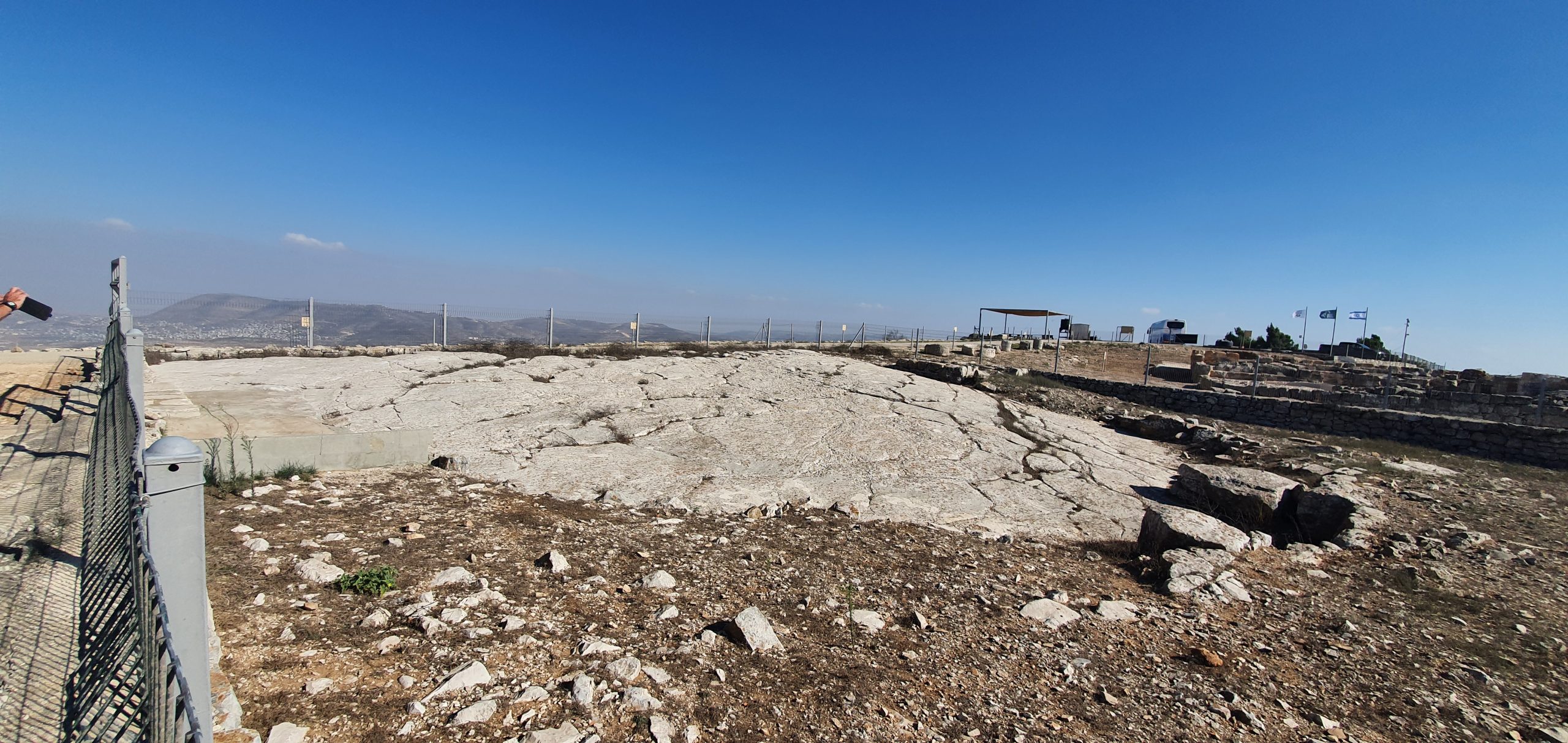
The Samaritans (Shomronim in Hebrew, Shamerim, “the keepers”) are the oldest and smallest religious community in the world, numbering approximately 900 people divided between two communities: one on Mount Gerizim near Shechem (Nablus), and one in the city of Holon near Tel Aviv. The Samaritans practice a form of ancient Israelite religion that diverged from Judaism over 2,500 years ago, and their traditions preserve practices that the rest of the Jewish world abandoned centuries ago.
Who Are the Samaritans Israel?
The Samaritans consider themselves the true descendants of the ancient Israelites, specifically of the tribes of Ephraim, Manasseh, and Levi, who maintained the original religion after the Assyrian exile of the Northern Kingdom in 722 BCE. Jewish tradition considers the Samaritans to be descendants of the foreign populations that the Assyrians brought to replace the exiled Israelites: “The king of Assyria brought people from Babylon, Kuthah, Avva, Hamath and Sepharvaim and settled them in the towns of Samaria” (2 Kings 17:24). The truth is probably somewhere between the two claims: genetic studies have shown that the Samaritans share significant DNA with both Jewish and non-Jewish populations of the Levant.
An Ancient Faith
The Samaritans accept only the Torah (the Five Books of Moses) as scripture, rejecting the Prophets, the Writings, and the entire rabbinic tradition (Talmud, Mishnah). Their Torah text, written in the ancient Samaritan script (derived from the paleo-Hebrew alphabet, the script used before the Jews adopted the Aramaic-style square script during the Babylonian exile), differs from the Jewish Masoretic text in approximately 6,000 places. Most differences are minor, but one is fundamental: the Samaritan Torah includes a commandment to build a sanctuary on Mount Gerizim, not in Jerusalem. This difference is the theological foundation of the 2,500-year Samaritan-Jewish split.
The Samaritans observe the Sabbath strictly (no electricity, no cooking, no leaving the house except to go to synagogue). They celebrate the biblical festivals (Passover, Shavuot, Sukkot) according to their own calendar, which sometimes differs from the Jewish calendar by a month. They practice circumcision on the eighth day. And they maintain the laws of ritual purity, including the isolation of women during menstruation, practices that mainstream Judaism has modified or spiritualized over the centuries.
Passover Sacrifice
The most dramatic Samaritan practice is the annual Passover sacrifice on Mount Gerizim. On the eve of Passover, the entire community gathers on the summit as the sun begins to set. The high priest reads the account of the Exodus from the Samaritan Torah. At the precise moment prescribed by the text, the priests slaughter lambs (one for each family), and the blood is sprinkled on the doorposts of the tents set up on the mountain, exactly as described in Exodus 12. The lambs are roasted whole in underground fire pits, and the community eats the sacrifice standing, with sandals on their feet, unleavened bread and bitter herbs in hand, reenacting the original Passover night: “Eat it in haste; it is the Lord’s Passover” (Exodus 12:11). The ceremony is open to visitors, and witnessing it, the fire, the blood, the ancient prayers in the Samaritan dialect, is one of the most extraordinary religious experiences in the world.
High Priest
The Samaritan community is led by a high priest who traces his lineage back to Aaron, the brother of Moses. The current priestly line has maintained its genealogy for over 130 generations, making it one of the oldest documented family trees in the world. The high priest presides over all religious ceremonies, maintains the community’s ancient Torah scroll (believed by the Samaritans to have been written by Abishua, the great-grandson of Aaron), and serves as the spiritual authority of the community.
Split with Judaism
The exact date and cause of the Samaritan-Jewish split are debated by historians. The Samaritans say the split occurred in the 11th century BCE, when the priest Eli moved the sanctuary from Mount Gerizim to Shiloh, dividing the community. Jewish sources place the split much later, in the 5th-4th century BCE, when the Samaritans built their own temple on Mount Gerizim in opposition to the rebuilt Temple in Jerusalem. The enmity between the two communities was deep and lasting: the Jewish Hasmonean king John Hyrcanus destroyed the Samaritan temple on Mount Gerizim around 112 BCE, and the Samaritans retaliated by scattering bones in the Jerusalem Temple during Passover.
Jesus and the Samaritans
The Samaritans appear several times in the New Testament, and Jesus’s interactions with them are among the most revolutionary moments in the Gospels. The Parable of the Good Samaritan (Luke 10:25-37) deliberately chose a Samaritan as the hero to challenge Jewish prejudice. Jesus’s conversation with the Samaritan woman at Jacob’s Well broke multiple social taboos: a Jewish man speaking to a Samaritan woman in public. The woman raised the central theological dispute: “Our ancestors worshiped on this mountain, but you Jews claim that the place where we must worship is in Jerusalem.” Jesus answered: “A time is coming when you will worship the Father neither on this mountain nor in Jerusalem… The true worshipers will worship the Father in the Spirit and in truth” (John 4:20-23). And when tradition holds that Jesus healed ten lepers and only one returned to give thanks, Luke notes pointedly: “He was a Samaritan” (Luke 17:16).
900 People and Counting
The Samaritan community has survived against extraordinary odds. From a population that may have numbered over a million in the Roman period, they were reduced by persecution, forced conversion, and assimilation to fewer than 150 people by the early 20th century. The community was on the verge of extinction, suffering from genetic diseases caused by centuries of intermarriage within a tiny population. In recent decades, the community has stabilized by permitting marriages with Jewish and non-Jewish women who convert to Samaritanism, and the population has slowly grown. The survival of some 900 people who maintain a 2,500-year-old religious tradition on a single mountain is one of the most remarkable stories of cultural persistence in human history.
The Samaritans are a living link to ancient Israel. Hoshen Tours visits the Samaritan community on Mount Gerizim, meets community members, tours the Samaritan museum, and, when timing allows, witnesses the Passover sacrifice, one of the oldest continuously practiced religious ceremonies in the world.
Explore Our Tour Collection
Ready to experience Israel in true colors?
Plan Your TourPrivate tours designed around your interests, schedule, and pace.