



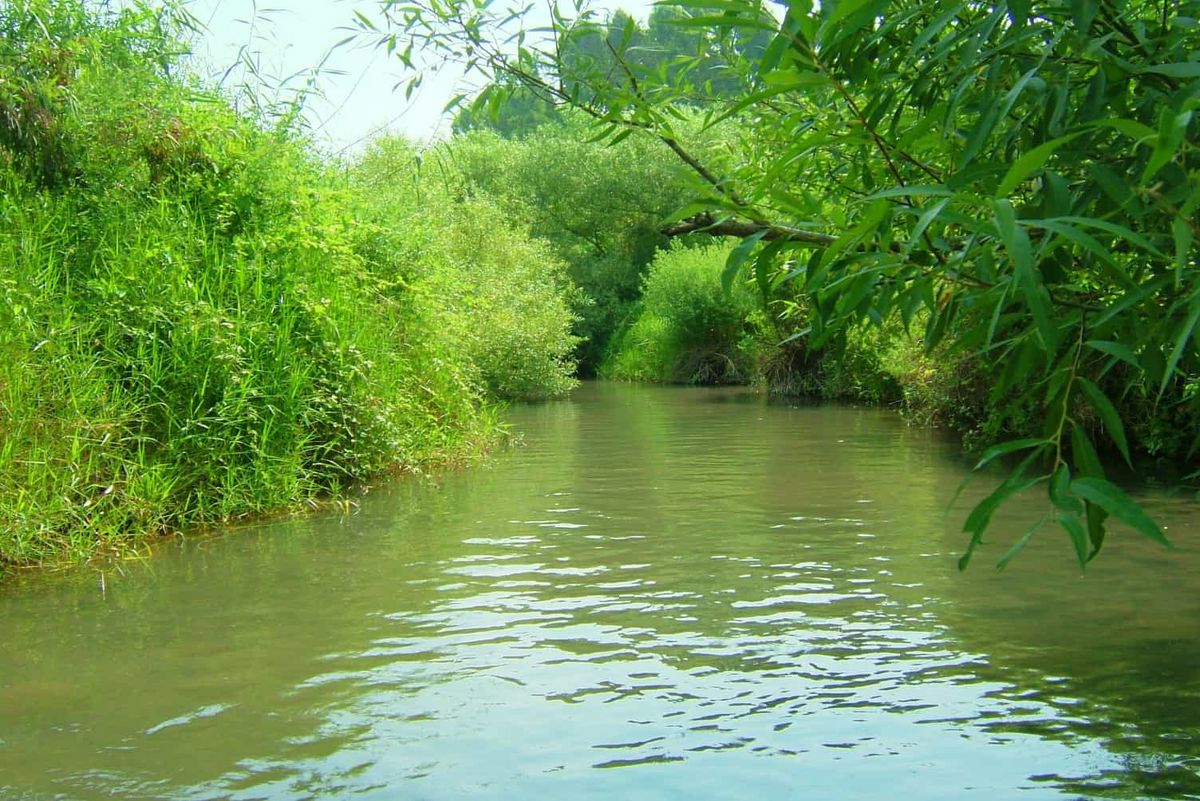
The Majrase Nature Reserve (Bethsaida Valley) sits at the northeastern corner of the Sea of Galilee, where the Jordan River enters the lake. It is one of the most beautiful and least crowded nature reserves in the Galilee, a wetland paradise of pools, streams, and lush vegetation fed by the river and natural springs. The contrast between the lush, water-fed delta and the dry basalt plateau of the Golan rising sharply behind it is immediate and striking, and the reserve rewards slow, quiet visitors with an intimacy with birds and water that few other places in Israel can match.
The Jordan River Delta and the Beteiha Valley
Majrase occupies the Beteiha Valley, the flat, fertile plain formed by sediment deposited where the Jordan River slows and spreads before entering the Sea of Galilee. The river fans out here into channels, pools, and reed beds, creating one of the most important wetland habitats in Israel. The plain was historically farmed and grazed and suffered significant ecological degradation, but restoration work by the Israel Nature and Parks Authority has returned much of the area to functioning wetland. The delta is one of the few places in Israel where you can see the Jordan as a broad, slow-moving river rather than the narrow channel it becomes south of the lake.
Early morning is the best time to visit Majrase, when mist still sits on the water and the only sounds are the trickle of springs feeding the pools and the rustle of wind moving through the tall reeds. At dawn and dusk, the reserve takes on a particular calm, the kind of quiet where you become aware of your own breathing before you notice the heron standing motionless ten meters away.
Birdwatching
Majrase is one of the most important birdwatching sites in northern Israel. The junction of the Jordan River and the Sea of Galilee creates a natural waypoint on the Syria-African Rift Valley migration corridor, and hundreds of species pass through during spring and autumn migrations. Year-round residents include grey herons standing motionless at the water’s edge, great cormorants drying their wings in the eucalyptus trees, and kingfishers flashing between the reeds. White pelicans gather on the open water in large rafts, particularly in winter and early spring. The reed beds support warblers, bitterns, and purple herons, while the open grassland areas attract pipits and wagtails. Serious birders come with tripods; casual visitors will still see more birds in an hour here than in a full day elsewhere.
Water Buffalo in the Marshes
One of the most unexpected sights at Majrase is the herd of water buffalo that grazes in the wetland. The buffalo are part of a conservation grazing program: their feeding on the dense reed vegetation helps maintain open water areas and prevents the reed beds from closing over entirely and reducing habitat diversity. The animals are at home in the shallow water and mud, and watching them move through the marsh with herons standing nearby is a reminder that this is a genuinely wild place operating according to ecological logic rather than park aesthetics.
The Boardwalk Trails
Wooden boardwalk trails wind through the reserve, crossing channels and passing through dense stands of common reed, papyrus, and willow. The boardwalks keep visitors out of the mud and above the water level, providing good sightlines into the reed beds where birds are otherwise invisible. Observation platforms at intervals along the trails offer views across the open pools toward the lake and the Golan plateau. The main loop takes about an hour at a relaxed pace. Natural spring-fed pools along the trails are popular for wading and cooling off in summer, and shade from the eucalyptus and willow canopy makes the reserve comfortable even in July and August.
The Bethsaida Connection
The archaeological site of Bethsaida, the ancient city tradition holds to have been the hometown of several of the apostles, lies immediately adjacent to Majrase. In the 1st century CE the lakeshore reached much closer to the site than it does today, and the Bethsaida of that period sat at the edge of the delta wetland rather than on a hill inland from the water. A visit to Majrase gives a tangible sense of what the landscape around Bethsaida looked like in antiquity: water, reeds, birds, and fish at the edge of the lake.
Visit with Hoshen Tours
Majrase adds a nature experience to Golan Heights and Sea of Galilee itineraries. Hoshen Tours includes it for visitors who want to balance history with the natural beauty of the region, often combining it with nearby Bethsaida and the northern shore of the lake.
Visitors exploring the Golan Heights often combine Majrase with nearby destinations such as Hula Valley, Bethsaida, and Jordan River, each offering its own distinctive perspective on the region’s layered history and landscape. A broader itinerary might also include Sea of Galilee and Gesher Bnot Yaakov, both within easy reach and rich in their own right.
Every Hoshen Tours itinerary is private and fully customizable. Contact us to begin planning your journey through the Golan Heights.
Explore Our Tour Collection
Ready to experience Israel in true colors?
Plan Your TourPrivate tours designed around your interests, schedule, and pace.