



The Strategic Importance of Jacob’s Ford
Mitzad Ateret, the Crusader fortress also known as Chastellet, guarded the most strategic crossing point on the upper Jordan River. 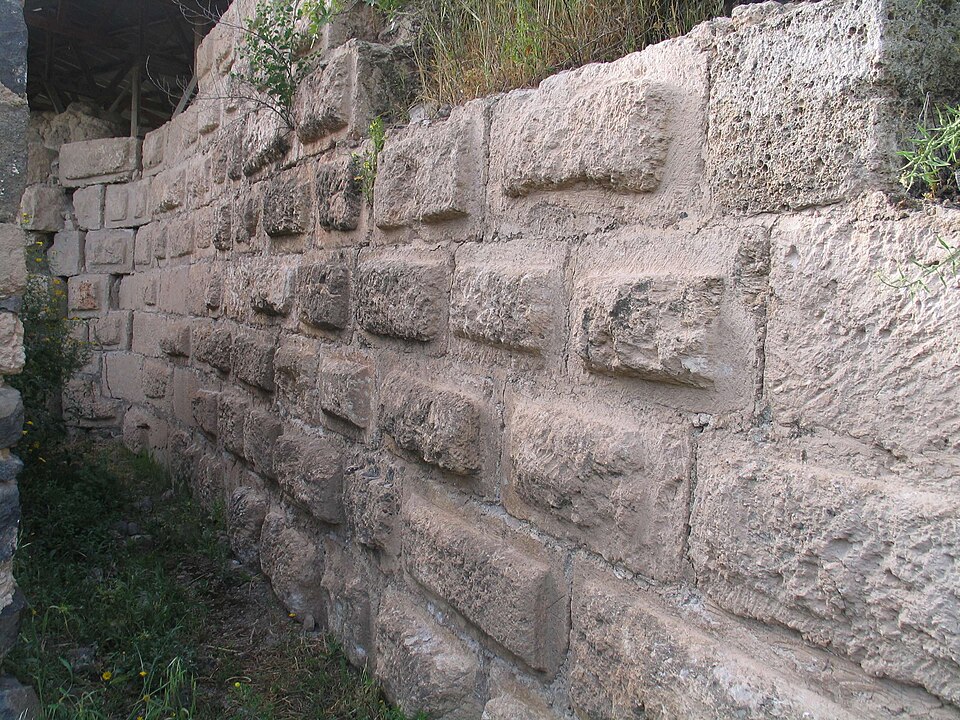 The crossing at Jacob’s Ford, known in Latin as Vadum Iacob, was the principal point where the road from Acre and the coastal plain crossed the upper Jordan River on its way to Damascus. Controlling this ford meant controlling the movement of armies and caravans between the Crusader Kingdom of Jerusalem and the Muslim territories to the east. For decades after the Crusader conquest, neither side had fortified the crossing, maintaining it as a kind of informal buffer zone between the two powers. The ford was shallow enough for armies to cross with their horses and supply wagons, making it the most practical route between the coast and the interior. But in the late 1170s, with Saladin consolidating power over Egypt and Syria, King Baldwin IV of Jerusalem decided that leaving this crossing undefended was a risk his kingdom could no longer afford.
Baldwin IV and the Templars Build a Fortress
In October 1178, Baldwin IV ordered the construction of a massive fortress at the ford. The Knights Templar were given responsibility for the project, and work moved forward at remarkable speed. The castle was designed on a grand scale, with thick walls built from large basalt blocks quarried nearby. According to the contemporary chronicler William of Tyre, the fortification was intended to be one of the most formidable in the kingdom. Saladin recognized the danger immediately. A Crusader fortress at Jacob’s Ford would threaten his supply lines and severely limit his ability to move armies westward into Crusader territory. He reportedly offered Baldwin a sum of 60,000 dinars to halt the construction, and when that was refused, raised the offer to 100,000 dinars. The king, however, understood the strategic value of the site and refused to negotiate.
Saladin’s Attack and the Fall of the Fortress
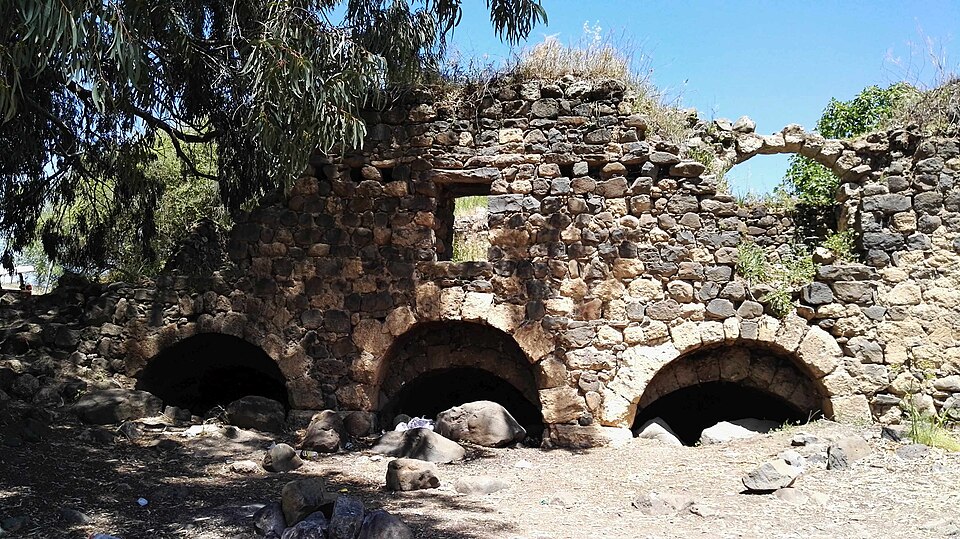 By August of that year, the walls had risen significantly, though the fortress was still incomplete. In late August 1179, Saladin arrived with a large force and laid siege to the castle. His sappers dug beneath the walls and set fire to the wooden supports, causing a section of the fortification to collapse. The garrison, composed of Templars and other soldiers, was overwhelmed. The defenders were killed or taken captive, and the unfinished fortress was systematically demolished. Saladin ordered the destruction to be so thorough that the castle could never serve the Crusaders again. Contemporary sources describe a plague that spread from the unburied remains at the site in the weeks that followed, affecting both sides of the conflict. The entire episode, from the beginning of construction to the fortress’s destruction, lasted less than a year.
The Archaeological Excavations
In 1993, Professor Ronnie Ellenblum of the Hebrew University of Jerusalem began excavating the site, launching one of the most significant Crusader-period digs in the region. The excavations revealed the enormous scale of the fortress and the violence of its final hours. Massive basalt walls were uncovered, along with hundreds of arrowheads, fragments of weapons, and pieces of armor. Most remarkably, the remains of Crusader defenders were discovered where they had fallen, preserved beneath collapsed masonry and thick layers of ash from the fires set by Saladin’s forces. The archaeological findings confirmed the dramatic accounts recorded by medieval chroniclers and provided a rare case where a specific battle described in written sources could be matched with physical evidence on the ground. The excavations continued over multiple seasons and attracted international attention from scholars of the Crusader period.
Visiting the Site
Mitzad Ateret is located near the Bnot Ya’akov Bridge on the upper Jordan River, north of the Sea of Galilee, accessible from Route 91. Visitors can see the remains of the massive walls and walk through the excavated areas of the fortress. The basalt ruins sit in a landscape of river vegetation along the Jordan, and the site conveys the scale of what Baldwin IV attempted to build in such a short time. A visit to Mitzad Ateret pairs naturally with nearby Gesher Bnot Ya’akov, where evidence of human habitation dates back hundreds of thousands of years, offering a journey from deep prehistory to the dramatic clashes of the medieval period at a single crossing point on the Jordan.
Explore Our Tour Collection
Ready to experience Israel in true colors?
Plan Your TourPrivate tours designed around your interests, schedule, and pace.