



Mount Gerizim is the holy mountain of the Samaritans, who believe it, not Jerusalem, is the place that God chose for his sanctuary. The mountain, rising 881 meters above sea level, some 300 meters above the valley of Shechem, has been the center of Samaritan worship for over 2,500 years, and the archaeological remains on its summit tell the story of a rival temple that once stood opposite Solomon’s Temple in Jerusalem.
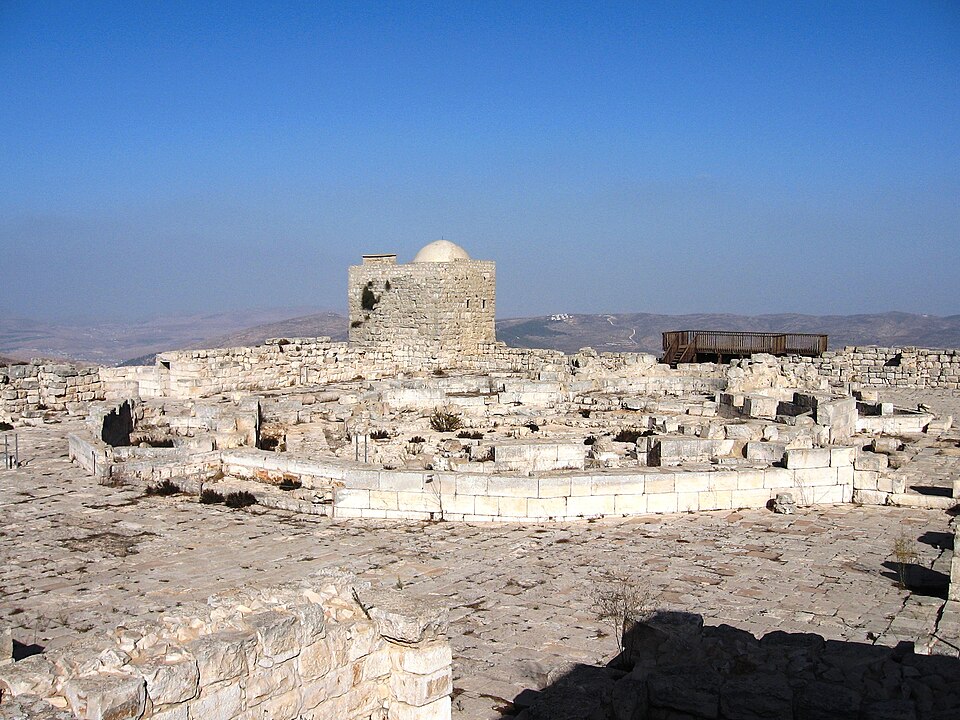
The Samaritan Temple
Excavations led by Yitzhak Magen on the summit of Mount Gerizim uncovered the remains of a substantial Samaritan temple from the 5th century BCE, built during the Persian period when the Samaritans established their own sanctuary as an alternative to the rebuilt Temple in Jerusalem. The temple was a large stone structure surrounded by a sacred precinct with a courtyard, gates, and auxiliary buildings. Over 400,000 animal bones found at the site confirm that sacrifices were performed on a massive scale over several centuries. More than 14,000 coins and hundreds of inscriptions in Samaritan script and Aramaic were recovered, many of them dedicatory offerings, making this one of the most inscription-rich sites in the ancient Near East. The temple was destroyed by the Hasmonean king John Hyrcanus around 112 BCE, an act that deepened the rift between Jews and Samaritans for generations.
Sacred Precinct and Later Remains
The excavated area includes the temple foundations, a large enclosure wall, ritual installations, and storage rooms. The site also contains the remains of a Byzantine church built by Emperor Zeno c. 484 CE (Justinian later added its fortifications), constructed directly on the ruins of the Samaritan temple as an act of deliberate religious supremacy. Near the summit, a set of large standing stones known as the Twelve Stones are venerated by the Samaritans in connection with their tradition of Joshua’s covenant ceremony on the mountain. The layers of construction on the summit reflect over two thousand years of competing claims to this sacred ground.
The Passover Sacrifice
Each year, the Samaritan community gathers on the summit of Mount Gerizim to perform the Passover sacrifice, the most dramatic ritual in their calendar. Following the biblical instructions of Exodus 12 to the letter, the community slaughters lambs at twilight on the 14th of Nisan according to the Samaritan calendar. The lambs are roasted whole in pits dug into the ground, and the entire community eats the meat standing, dressed in white, in a ceremony that has continued without interruption for centuries. This is the only community in the world that still performs the biblical Passover sacrifice, making the event a living connection to the ancient Israelite practice described in the Torah.
The View from the Summit
The panorama from Mount Gerizim encompasses the valley of Shechem directly below, Mount Ebal rising opposite with its barren rocky slopes, and the rolling Samarian mountains stretching in every direction. The modern city of Nablus fills the valley, and the ancient tel of Shechem is visible at the eastern end of the pass between the two mountains. On clear days, the view extends west toward the coastal plain and the Mediterranean Sea. The contrast between the green western slopes and the arid eastern descent toward the Jordan Valley is striking from this vantage point.
Visit with Hoshen Tours
Mount Gerizim is where the oldest religious dispute in the monotheistic world is still alive. Hoshen Tours visits the summit, the archaeological site, and the Samaritan community to tell the story of a people who have worshipped on this mountain for 2,500 years. The visit is often combined with the Samaritan community, the ancient city of Shechem in the valley below, and the nearby community of Har Bracha overlooking the biblical landscape. Hoshen Tours often combines this site with Josephs Tomb, Jacobs Well, and Shechem for a memorable day exploring the region.
Explore Our Tour Collection
Ready to experience Israel in true colors?
Plan Your TourPrivate tours designed around your interests, schedule, and pace.