



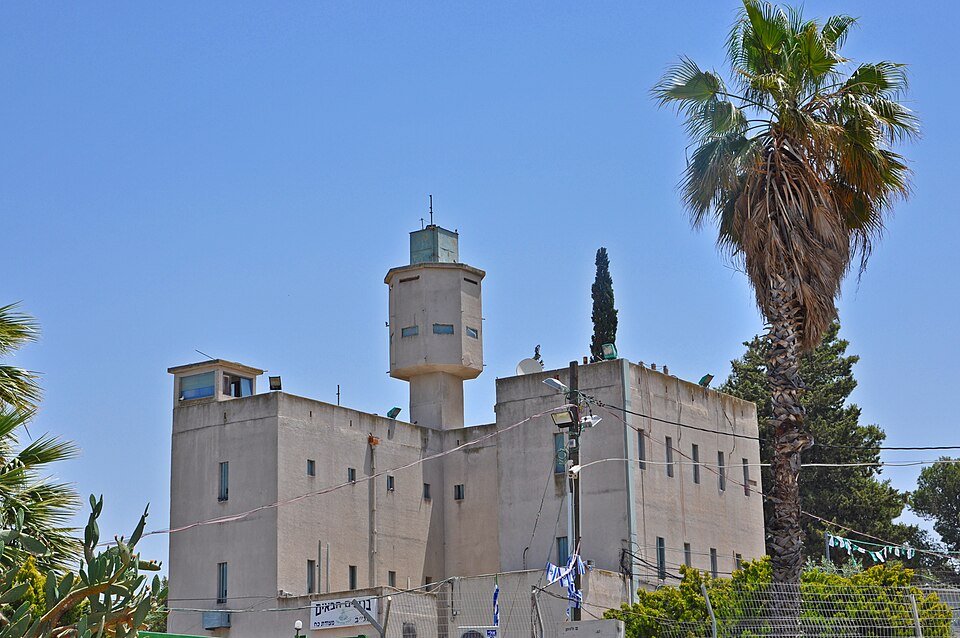
Metzudat Koach (Fortress 28) is a former British police station in the upper Galilee that became the site of one of the most daring operations of the pre-state Jewish underground. On the night of April 20, 1948, Palmach fighters assaulted the heavily fortified position to open the road to the besieged communities of the upper Galilee. Twenty-two fighters were killed in the April 20 assault. The fortress is named Koach (28) in honor of the total casualties across three separate engagements at the site, and the fortress was named in their memory: Koach, the Hebrew word for 28.
Strategic Importance
The British police station at Nebi Yusha was built on a hilltop commanding the road from Rosh Pina northward to Metula and the upper Galilee. During the Mandate period, it served as a base for British forces controlling the region. Its thick stone walls, defensive tower, and elevated position made it a formidable military position that dominated the surrounding landscape. When the British withdrew from Palestine in May 1948, control of this fortress became one of the decisive questions for the entire northern front. Whoever held the hilltop controlled the only viable road linking the coastal plain and the Galilee interior with the isolated Jewish communities in the far north, communities that had been under siege and unable to receive supplies or reinforcements for weeks.
The Palmach Assault on the Fortress
In the final weeks of the British Mandate, Arab forces occupied the fortress and used it to block Jewish access to the upper Galilee. The Palmach, the elite fighting force of the Haganah, was tasked with capturing the position as part of Operation Yiftach, the broader campaign to secure the Galilee in the first weeks of the 1948 war. The assault began on the night of April 20. The Palmach fighters, many of them barely twenty years old, attacked the fortified position with limited weapons and no armor. The fighting was fierce and the defenders well-entrenched. The assault was costly but ultimately successful, and the capture of the fortress broke the siege of the upper Galilee, ensuring that communities in Metula, Kfar Giladi, and the surrounding area could be supplied and defended. It was one of the critical turning points in securing the north for the new state.
Twenty-Eight Fighters
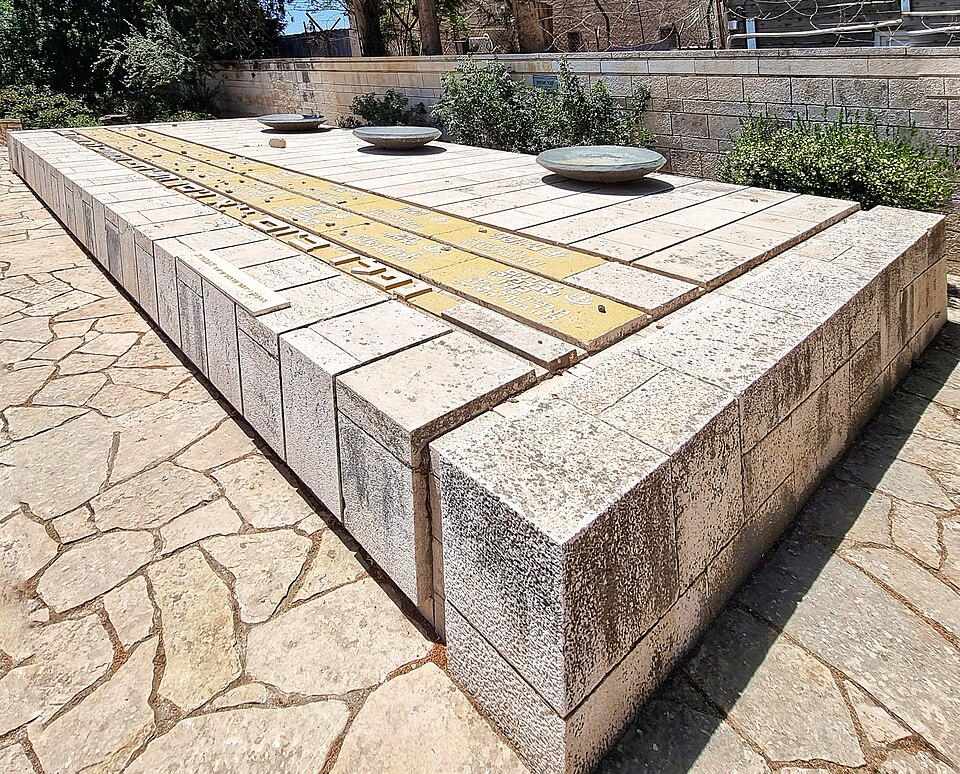
The 28 fighters who fell at Nebi Yusha came from kibbutzim and moshavim across the Galilee. Their average age was in the early twenties. The fortress was renamed Metzudat Koach in their memory: Koach, which means “strength” in Hebrew, is also the numerical value of 28 in Hebrew (kaf-chet). The name carries both meanings, the strength it took to capture the position, and the 28 lives it cost. The fallen were not professional soldiers. They were farmers, students, and young pioneers who had come to the land with no expectation of war and found themselves at the center of it.
The Memorial and Museum
The fortress has been preserved as a memorial site and museum. At the site, a mass grave holds the remains of the 28 fighters who fell in the battle, buried together where they fought. The names of all 28 fallen fighters are inscribed on the memorial walls, along with photographs and brief biographies documenting who they were before the battle. The original buildings, scarred by the fighting, house exhibits documenting the operation, the weapons used, the tactical planning of the assault, and the broader context of the 1948 war in the Galilee. The views from the fortress are spectacular, encompassing the Hula Valley, Safed, and the upper Galilee hills, the same landscape the fighters were defending.
Connection to the 1948 War for the Galilee
The battle at Metzudat Koach was one engagement within a larger campaign for control of the north. Operation Yiftach, launched in the spring of 1948, aimed to secure the eastern Galilee before the Arab armies entered the war following Israel’s declaration of independence on May 14. The fall of the fortress at Nebi Yusha was a key milestone, once the road was open, Jewish forces could move equipment and fighters northward, and the upper Galilee communities that had been cut off could receive the support they needed to hold on. The battle is remembered today not only for the sacrifice of the 28 but for what their sacrifice made possible.
Visit with Hoshen Tours
Metzudat Koach tells a crucial chapter of the War of Independence. Hoshen Tours includes it in upper Galilee itineraries alongside Tel Hai and the pioneering communities of the north.
Visitors exploring the upper Galilee often combine Metzudat Koach with nearby destinations such as Tel Hai, Rosh Pina, and Hula Valley, each offering its own distinctive perspective on the region’s layered history and landscape. A broader itinerary might also include Safed and Yesod HaMaala, both within easy reach and rich in their own right.
Every Hoshen Tours itinerary is private and fully customizable. Contact us to begin planning your journey through the upper Galilee. Hoshen Tours often combines this site with Abuhav Synagogue, Talking Walls Shtula, and Nahal Amud for a memorable day exploring the region.
Explore Our Tour Collection
Ready to experience Israel in true colors?
Plan Your TourPrivate tours designed around your interests, schedule, and pace.