



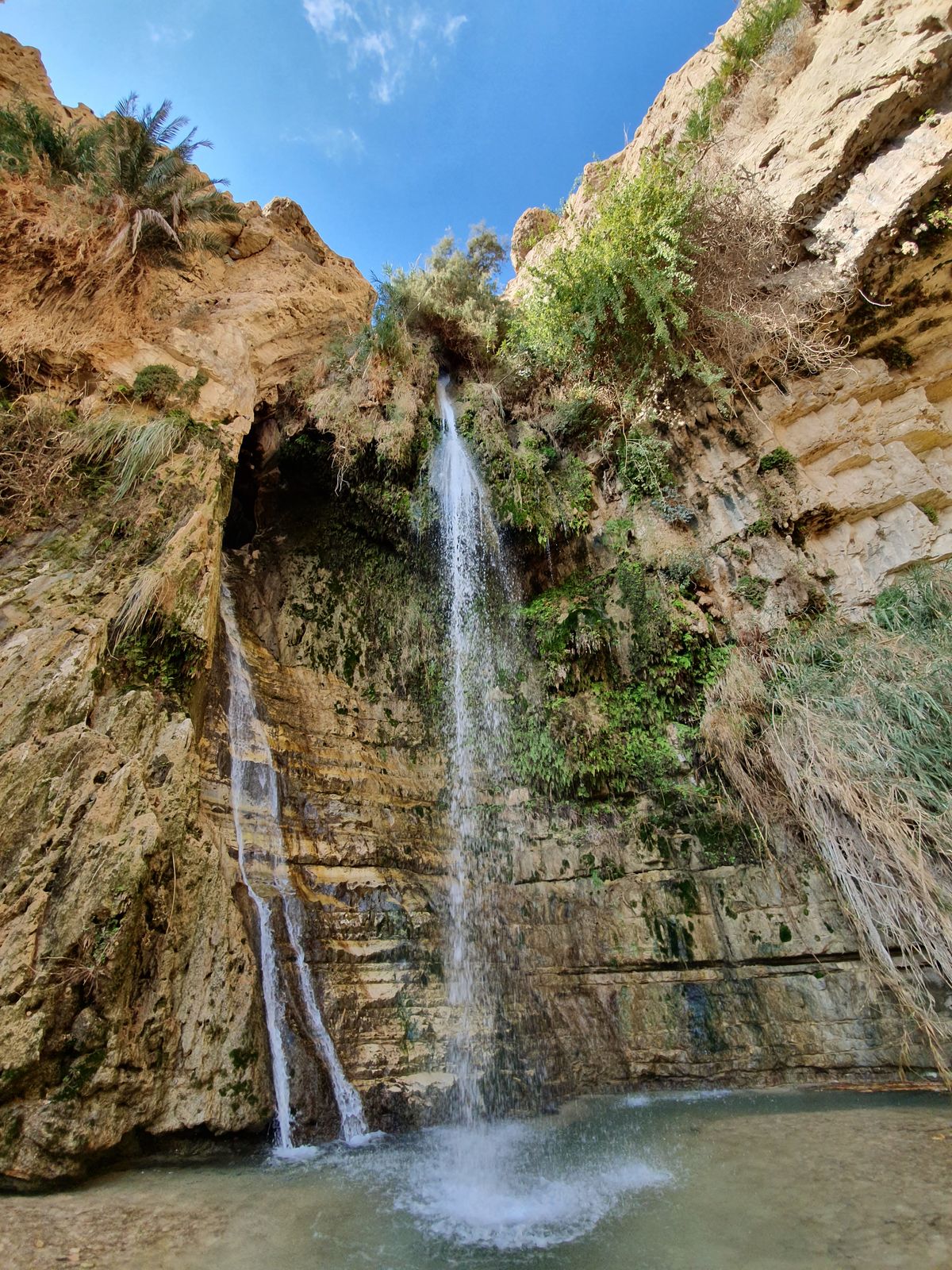
Kibbutz Ein Gedi, perched on the cliffs above the Dead Sea, is home to one of the most unlikely botanical gardens in the world. The kibbutz members have planted over 1,000 species of tropical and subtropical plants from five continents in the desert, creating a lush garden oasis that includes ancient baobab trees, rare cacti, spice plants, and flowering trees from Africa, South America, and Asia.
The Ein Gedi Botanical Garden
The botanical garden is woven through the kibbutz grounds, so walking through the garden means walking through the community itself. Paths wind between baobab trees (some over 500 years old, transplanted from Africa), enormous cacti from the Americas, tropical fruit trees, and ornamental plants from around the world. The garden is watered by springs from the nearby Ein Gedi nature reserve, and the combination of desert heat and abundant water creates growing conditions that allow tropical plants to thrive.
Baobabs in the Desert
The most striking trees in the garden are the African baobabs, massive trunks with an almost surreal silhouette against the Dead Sea sky. Baobabs can live for thousands of years and store enormous quantities of water in their swollen trunks, an adaptation to the African savanna that serves them well in the Judean Desert. The kibbutz imported them decades ago, and they have become the garden’s most photographed residents.
How a Desert Garden Works
The garden succeeds because of a rare combination of factors. The Dead Sea region is the lowest point on earth, 435 meters below sea level, which creates an atmosphere with unusually high air pressure and oxygen levels. The year-round warmth (frost is virtually unknown here) and the freshwater springs from the cliffs above provide irrigation in a place that receives almost no rain. The kibbutz members discovered that plants from tropical climates around the world, species that would die in the cold winters of central Israel, flourish in the microclimate of the Dead Sea shore.
Spice Route Connection
The garden echoes an ancient tradition. Ein Gedi was famous in antiquity for its cultivation of balsam and rare spice plants. The balsam of Ein Gedi, used in perfumes and in the Temple incense, was one of the most valuable commodities in the ancient world. Pliny the Elder described it, and the Romans considered it so precious that they displayed balsam plants in their triumphal processions after conquering Judea. The modern botanical garden, with its collection of exotic species from distant continents, continues this tradition of cultivating rare plants in the desert oasis.
Visiting the Garden
A self-guided walking trail winds through the kibbutz grounds, with numbered stations and an informational brochure (available in several languages) that identifies the major trees and explains their origins. The walk takes approximately one to two hours depending on pace and interest. Highlights along the route include the massive baobab grove, a collection of frankincense and myrrh trees that evoke the ancient spice trade, and a section of medicinal plants used in traditional remedies across Africa and Asia. The garden is open year-round, and different seasons bring different blooms. Spring visitors will see tropical flowers at their peak, while autumn brings the ripening of unusual fruit species. The quiet paths, shaded by enormous canopies and accompanied by birdsong, offer a welcome contrast to the stark desert landscape visible just beyond the kibbutz perimeter.
Visit with Hoshen Tours
The Ein Gedi botanical garden is a unique stop on the Dead Sea shore, where desert and tropics meet in one of the world’s most unexpected gardens. Walking through the kibbutz grounds among baobabs, frankincense trees, and tropical flowers is a memorable contrast to the barren desert cliffs above. Hoshen Tours includes the garden as part of a full Ein Gedi experience alongside the nature reserve hike, the ancient synagogue with its famous mosaic, and a float in the Dead Sea. Hoshen Tours often combines this site with Mount Sodom, St. George Monastery, and Good Samaritan Museum for a memorable day exploring the region.
Explore Our Tour Collection
Ready to experience Israel in true colors?
Plan Your TourPrivate tours designed around your interests, schedule, and pace.