



Ein Afek Nature Reserve is a small but enchanting wetland in the Acre plain, centered on a perennial spring, a Crusader flour mill, and a network of pools, streams, and reed beds that support an extraordinary concentration of wildlife. The reserve, just east of Akko, is one of the last surviving coastal wetlands of the kind that once blanketed much of Israel’s coastal plain. Where agricultural development and urban expansion have drained virtually every other marsh and reed bed along the coast, Ein Afek has held on, fed by its ancient springs and protected as a nature reserve since 1969. It offers a combination of nature, archaeology, and tranquility that is genuinely rare in this region.
The Spring and the Na’aman River
The springs at Ein Afek are the source of the Na’aman River, one of the few perennial rivers in northern Israel. The water emerges year-round from the base of the ancient tel, creating an immediate oasis of green in the flat agricultural plain. From the spring, the Na’aman winds westward through reed beds and open pools before reaching the sea just south of Akko, a route it has followed since long before the city was built. The river and its associated wetlands once formed a significant natural boundary in the coastal plain, and their strategic importance is reflected in the long human history of the site. Today the reserve protects roughly 70 dunams of wetland vegetation, open water, and riparian woodland, making it one of the last intact remnants of a habitat type that has almost entirely disappeared from Israel’s coast.
Crusader Mill
The Crusader-era flour mill at the center of the reserve is one of the best-preserved water mills in Israel. Built by the Knights Hospitaller, who controlled the surrounding lands and the road between Akko and the Galilee, the mill was designed to harness the reliable flow of the Ein Afek spring. Water was channeled through a dam and a millrace to power the grinding stones, producing flour for the Hospitaller headquarters in Akko. The building is solidly constructed from dressed stone, and the water channels, dam, and millstones are still visible and well preserved. The mill operated for centuries beyond the Crusader period: Ottoman-era additions and repairs show that it continued to serve the local population long after the Crusaders left, a testament to how well the Hospitallers had chosen and engineered the site.
Wildlife and Birdwatching
Ein Afek is a birdwatcher’s paradise, and one of the most rewarding wildlife stops in northern Israel. The spring water feeds pools and channels that support fish, turtles, frogs, crabs, and a rich community of water birds. Kingfishers flash blue and orange over the pools. Herons stand motionless in the shallows. Cormorants dry their wings on the banks. During migration season in spring and autumn, dozens of species pass through the reserve on their way between Africa and Europe, and the concentration of birds can be remarkable. Water buffalo have been introduced to the reserve as part of a conservation grazing program: the large, placid animals wade through the marshes and shallow pools, keeping the reeds and dense vegetation in check and maintaining the open water areas that wading birds need. Their presence adds an unexpectedly exotic element to an afternoon walk in the Israeli coastal plain.
Tel Afek and the Biblical Record
Adjacent to the nature reserve stands Tel Afek, also known as Tel Afek, an archaeological mound with remains spanning the Bronze Age through the medieval period. The tel is identified by many scholars with biblical Aphek of the tribe of Asher, mentioned in Joshua 19:30 as one of the towns within the Asherite allotment that the tribe was unable to fully take possession of: “Ummah also, and Aphek, and Rehob: twenty-two cities with their villages.” The site’s commanding position over the spring, the river, and the coastal road made it a natural focal point for settlement across the millennia. Excavations at Tell Keisan have uncovered significant remains from the Bronze Age Canaanite city through the Iron Age Israelite period and into later Assyrian, Persian, and Hellenistic occupation, illustrating how continuously valuable this water source was to every civilization that passed through the region.
Planning Your Visit to Ein Afek
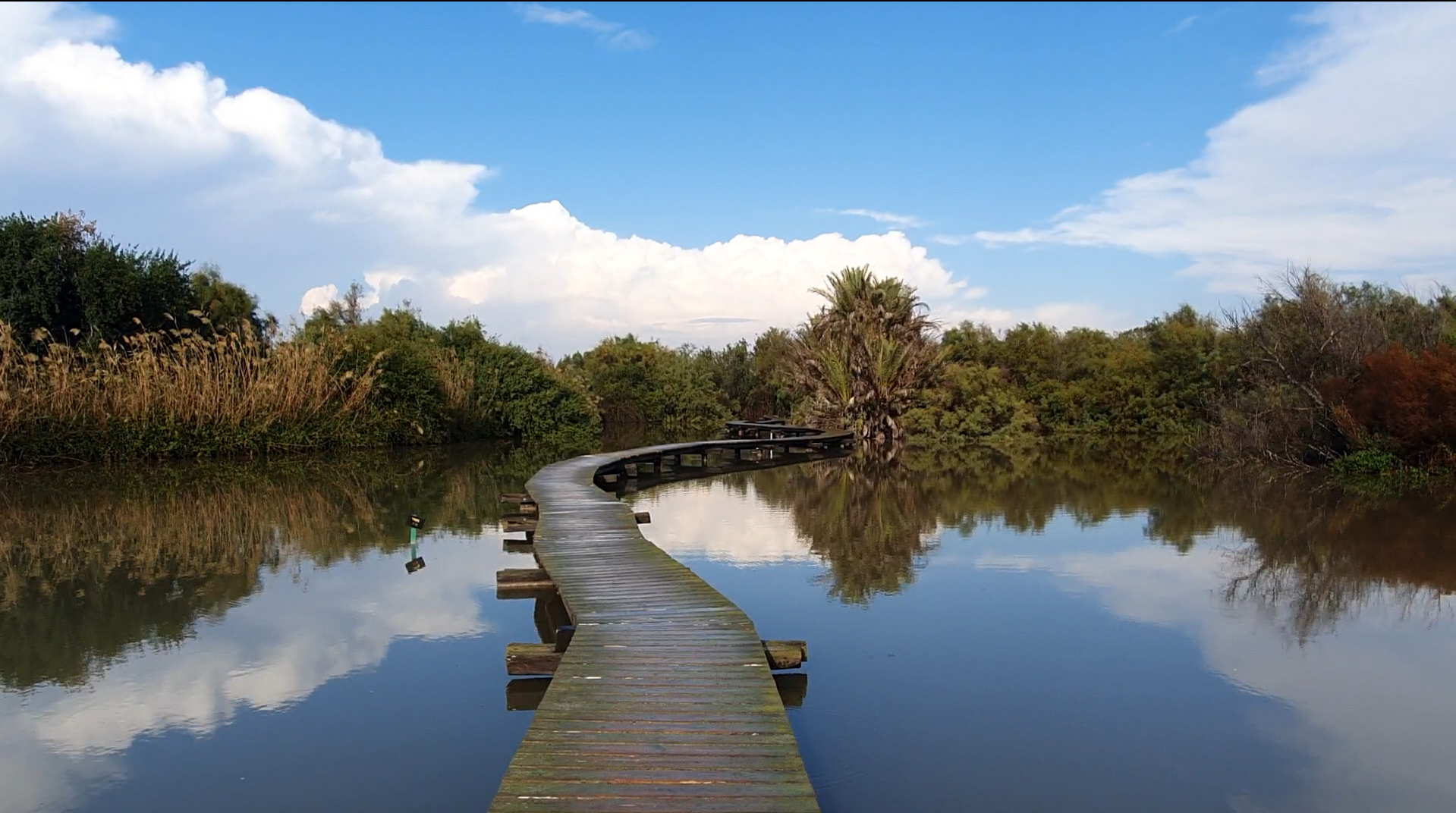
Ein Afek is well set up for visitors of all kinds. The reserve has easy, well-marked walking trails that loop through the wetland, past the Crusader mill, and along the river. A boardwalk section crosses the wettest parts of the reserve and is wheelchair accessible, making this one of the more inclusive nature sites in northern Israel. The flat terrain and short walking distances make it a good choice for families with young children. Entrance is free, parking is available at the reserve entrance, and the site is open year-round. The best time to visit for birdwatching is during the spring and autumn migration seasons, though resident species make every visit worthwhile.
Visit with Hoshen Tours
A visit to Ein Afek pairs beautifully with nearby destinations along your route. Consider combining it with a stop at Haifa or Akko, both just a short drive away. Many travelers also enjoy exploring Nahal Mearot and Druze Villages on the Carmel on the same day, while Haifa Port offers another worthwhile addition to your itinerary. Your Hoshen Tours guide will craft a seamless route that brings each destination to life with expert commentary and insider knowledge.
Explore Our Tour Collection
Ready to experience Israel in true colors?
Plan Your TourPrivate tours designed around your interests, schedule, and pace.