



The road from Jerusalem to Damascus, passing through the Galilee and across the Golan Heights, is one of the most important routes in Christian history. It was on this road that Saul of Tarsus, a zealous Pharisee who had been hunting down the followers of Jesus, experienced a blinding vision that transformed him into Paul the Apostle, the man who would carry the message of Christianity from the Jewish world to the entire Roman Empire.
Saul the Persecutor
Before his conversion, Saul was one of the most feared enemies of the early Christian movement. A Pharisee educated under Gamaliel in Jerusalem, he was “zealous for the traditions of my fathers” (Galatians 1:14). He was present at the stoning of Stephen, the first Christian martyr, and “approved of his death” (Acts 8:1). After Stephen’s execution, Saul launched a systematic campaign of persecution: “Going from house to house, he dragged off both men and women and put them in prison” (Acts 8:3). He then asked the high priest for letters to the synagogues in Damascus, authorizing him to arrest any followers of “the Way” he found there and bring them back to Jerusalem in chains (Acts 9:1-2).
Road to Damascus
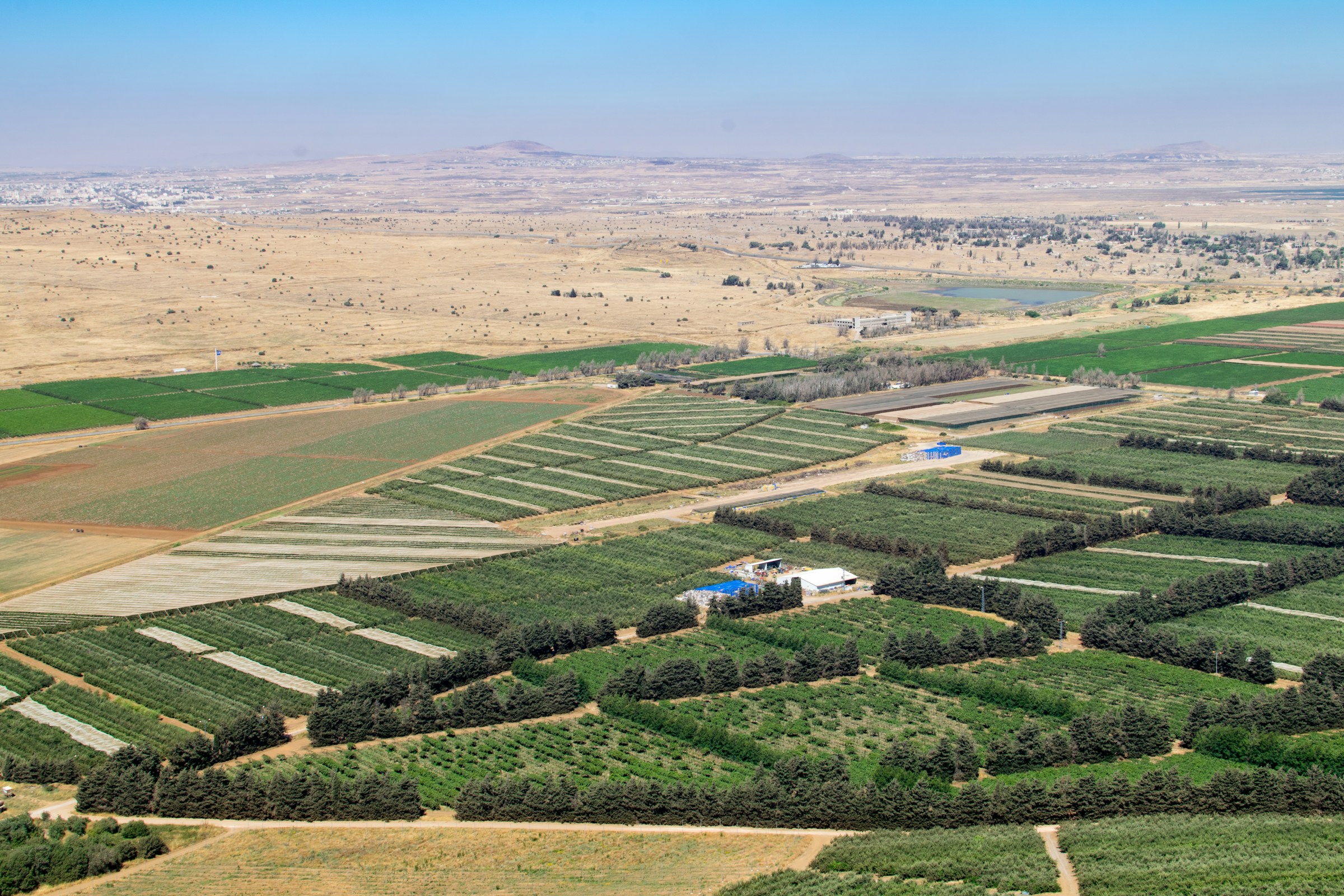
The ancient road from Jerusalem to Damascus ran north through Samaria and the Galilee, then climbed onto the Golan plateau and continued northeast toward the Syrian capital. The journey took about a week on foot. It was somewhere on this road, as Saul approached Damascus, that the event occurred that changed the course of history.
“As he neared Damascus on his journey, suddenly a light from heaven flashed around him. He fell to the ground and heard a voice say to him, ‘Saul, Saul, why do you persecute me?’ ‘Who are you, Lord?’ Saul asked. ‘I am Jesus, whom you are persecuting,’ he replied. ‘Now get up and go into the city, and you will be told what you must do’” (Acts 9:3-6).
The men traveling with Saul stood speechless: “They heard the sound but did not see anyone” (Acts 9:7). Saul rose from the ground, but when he opened his eyes he could see nothing. Blinded, he was led by the hand into Damascus, where he spent three days without eating or drinking.
Paul’s Conversion on the Road
In Damascus, a disciple named Ananias received a vision telling him to go to Saul. Ananias was terrified: “Lord, I have heard many reports about this man and all the harm he has done to your holy people in Jerusalem” (Acts 9:13). But God answered: “Go! This man is my chosen instrument to proclaim my name to the Gentiles and their kings and to the people of Israel” (Acts 9:15). Ananias went, placed his hands on Saul, and said: “Brother Saul, the Lord Jesus, who appeared to you on the road as you were coming here, has sent me so that you may see again and be filled with the Holy Spirit.” Immediately, “something like scales fell from Saul’s eyes, and he could see again. He got up and was baptized” (Acts 9:17-18).
Paul’s Own Account
The story is so important that it appears three times in the Book of Acts (chapters 9, 22, and 26), each time told from a slightly different perspective. Paul himself describes the experience in his letters. To the Galatians he writes: “I want you to know, brothers and sisters, that the gospel I preached is not of human origin. I did not receive it from any man, nor was I taught it; rather, I received it by revelation from Jesus Christ” (Galatians 1:11-12). To the Corinthians: “Last of all he appeared to me also, as to one abnormally born. For I am the least of the apostles and do not even deserve to be called an apostle, because I persecuted the church of God” (1 Corinthians 15:8-9).
Why the Road Matters
The conversion of Saul to Paul is arguably the single most consequential event in the spread of Christianity. Without Paul, the movement that Jesus began might have remained a Jewish sect in the Land of Israel. Paul took it to the Gentile world. He traveled thousands of kilometers across the Roman Empire, founded churches in Asia Minor, Greece, and Rome, and wrote the letters that form a significant portion of the New Testament. His theology of grace, faith, and salvation shaped Christianity into a universal religion.
The road itself, from Jerusalem through the Golan to Damascus, became a metaphor: a “Damascus Road experience” is any sudden, life-changing revelation. For Saul, the persecutor became the apostle, the hunter became the preacher, and the man who set out to destroy a movement became its greatest champion.
Where on the Road?
The exact location of Saul’s vision is unknown. Acts says only that it happened “as he neared Damascus.” Tradition places it just outside the city gates, but the road from the Galilee crosses the Golan Heights, and the stretch from the Sea of Galilee through the basalt plateau toward Damascus is the route Saul would have walked. For pilgrims traveling the Golan today, the landscape between Banias and the Syrian border is the last segment of the ancient road before Damascus, and standing on this road, looking northeast toward the city that changed everything, is a powerful experience.
Visit with Hoshen Tours
Hoshen Tours tells the story of Paul’s conversion on the Golan Heights, where the ancient road to Damascus crossed the plateau. The story connects naturally with Banias (Caesarea Philippi), where Jesus asked Peter “Who do you say I am?” and with the broader Gospel landscape of the Galilee.
Visitors exploring the Golan Heights often combine Road to Damascus with nearby destinations such as Banias, Mount Bental, and Golan Heights, each offering its own distinctive perspective on the region’s layered history and landscape. A broader itinerary might also include Omrit and Kibbutz El Rom, both within easy reach and rich in their own right.
Every Hoshen Tours itinerary is private and fully customizable. Contact us to begin planning your journey through the Golan Heights.
Explore Our Tour Collection
Ready to experience Israel in true colors?
Plan Your TourPrivate tours designed around your interests, schedule, and pace.