

Call Hoshen Tours

Call us today!

+1-917-9055850

Contact Hoshen Tours on WhatsApp

The Dead Sea Is Disappearing: What’s Happening and Can It Be Saved?

The Lowest Place on Earth Is Getting Lower

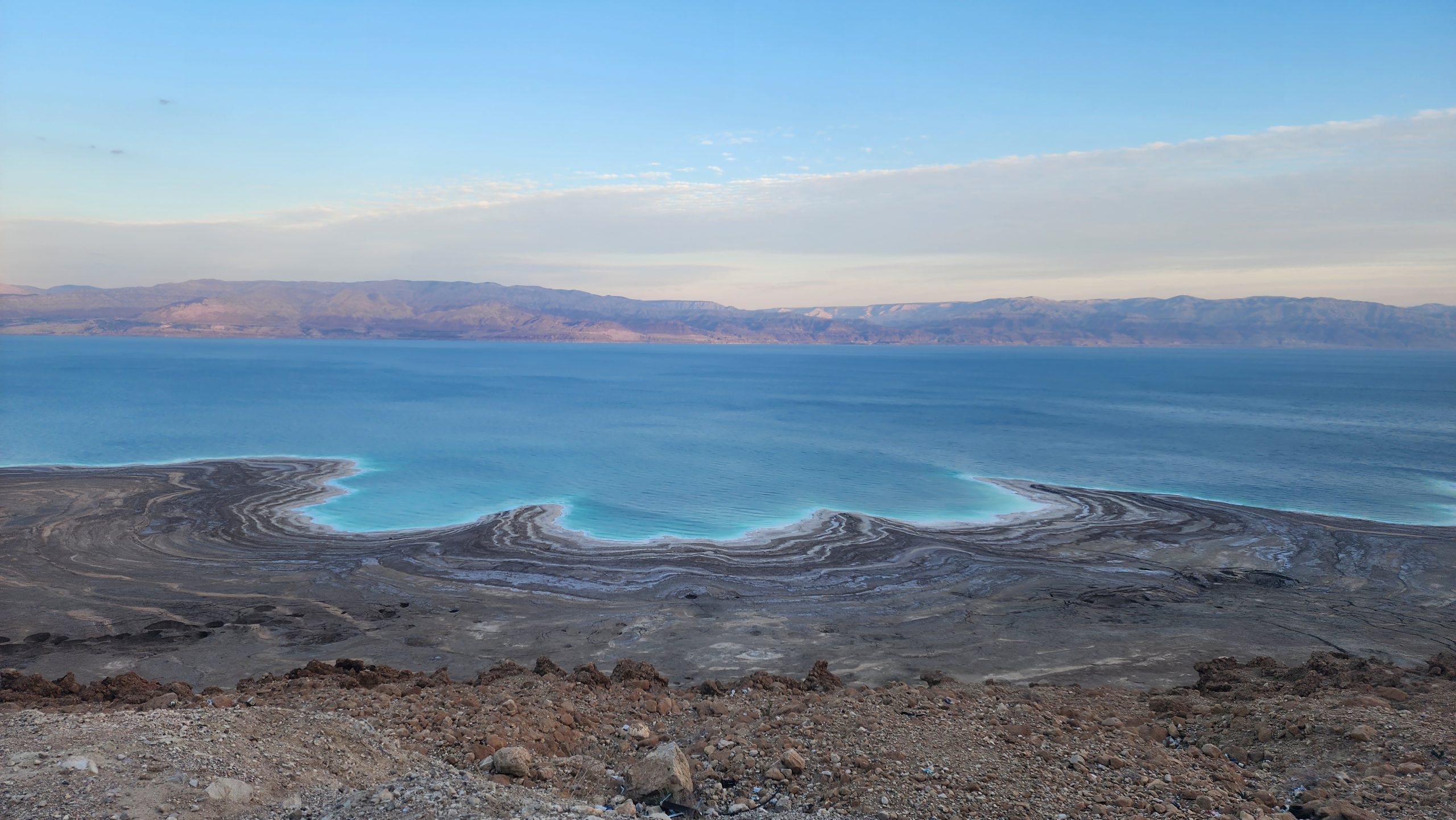
The Dead Sea — the lowest point on the surface of the earth, sitting at approximately 439 meters (1,440 feet) below sea level — is shrinking at an alarming rate. Its water level drops by more than one meter (over three feet) every single year. Since the 1960s, the Dead Sea has lost approximately one-third of its surface area, and there is no sign of the decline slowing down.

For thousands of years, the Dead Sea has been one of the most iconic natural wonders in the world. Its extreme salinity — nearly ten times saltier than the ocean — allows visitors to float effortlessly on its surface. Its mineral-rich mud and waters have attracted travellers seeking therapeutic benefits since the time of King Herod and Cleopatra. Today, the Dead Sea remains one of Israel’s most visited tourist destinations, drawing hundreds of thousands of visitors each year. But behind the postcards and the mud selfies, a serious environmental crisis is unfolding.

Why Is the Dead Sea Shrinking?

The Dead Sea has no outlet — water enters but never flows out. Historically, the Jordan River was the Dead Sea’s primary water source, providing approximately 1.7 billion cubic meters of water per year. However, since the 1950s and 1960s, large-scale water infrastructure projects by Israel, Jordan, Syria, and Lebanon have diverted the vast majority of the Jordan River’s flow for domestic and agricultural use. Today, the Jordan River delivers only a fraction of its original volume to the Dead Sea — an estimated 80% reduction.

At the same time, mineral extraction operations on both the Israeli and Jordanian sides of the Dead Sea use large evaporation pools that accelerate water loss. The result: more water leaves the Dead Sea through evaporation and industrial use than enters it, and the gap grows wider each year.

The Sinkhole Crisis

As the Dead Sea retreats, it leaves behind one of the most dramatic and dangerous geological phenomena on the planet: sinkholes. More than 6,000 sinkholes have formed along the Dead Sea’s shores, with 75% of them appearing since 1997. New sinkholes open at a rate of hundreds per year, and they range from 1 to 10 meters deep and up to 25-30 meters in diameter.

The mechanism is straightforward but destructive: as the sea level drops, underground freshwater streams flow into areas that were previously submerged. This freshwater dissolves ancient layers of salt buried beneath the surface, creating underground cavities that eventually collapse without warning.

The impact on local communities has been severe. Kibbutz Ein Gedi, one of the most beloved nature reserves and tourist destinations on the Dead Sea, has lost approximately 300 dunams (75 acres) of land to sinkholes. The famous Ein Gedi beach has been closed to the public for several years due to the danger. Roads, infrastructure, and agricultural land have been damaged or destroyed.

Proposed Solutions

The Red Sea-Dead Sea Canal

The most ambitious proposal to save the Dead Sea has been the Red Sea-Dead Sea Water Conveyance project — a 177-kilometer (110-mile) pipeline that would carry water from the Red Sea near Aqaba to the Dead Sea, while also producing desalinated drinking water along the way. In 2013, Israel, Jordan, and the Palestinian Authority signed an agreement to move forward with the project.

However, the project has faced enormous challenges — political tensions, environmental concerns about mixing Red Sea and Dead Sea waters (which could trigger algae blooms and alter the Dead Sea’s unique chemistry), and the sheer cost. The project was effectively shelved in 2021, and current geopolitical realities make its revival unlikely in the near term.

Reducing Water Diversion

Environmental organizations have long argued that the most effective solution is to restore water flow to the Jordan River. This would require cooperation between Israel, Jordan, Syria, and Lebanon to reduce water extraction from the river and its tributaries.

Industrial Reform

Reforming the mineral extraction industry’s water practices on both sides of the Dead Sea is another potential lever. The massive evaporation pools operated by companies such as ICL (Israel Chemicals) and the Arab Potash Company on the Jordanian side contribute significantly to water loss.

What Visitors Can Still Experience

Despite the crisis, the Dead Sea remains a must-visit destination for travelers to Israel. Visitors can still float in the hyper-saline waters, cover themselves in therapeutic mineral mud, and take in the otherworldly desert landscape. The views from the cliffs of Masada overlooking the Dead Sea at sunrise are among the most breathtaking in Israel.

For the more adventurous, guided tours now visit the sinkhole fields themselves — a stark and fascinating reminder of the geological forces reshaping this landscape in real time. Travelers should be aware that the shoreline has receded significantly in recent years, and some beaches and facilities that were once at the water’s edge are now hundreds of meters from the shore. Planning your visit with a knowledgeable local guide ensures you’ll reach the best access points safely.

A Race Against Time

The Dead Sea is not dead yet — but it is dying. Without dramatic intervention, scientists project that it will continue shrinking for decades to come, leaving behind a landscape of sinkholes, abandoned infrastructure, and lost heritage.

For visitors to Israel, seeing the Dead Sea today is not just a tourist experience — it is witnessing one of the most significant environmental challenges of our time, playing out in one of the most historically and spiritually significant places on earth.
Water Desalination in Israel: How a Desert Nation Became a Global Water Superpower

From Water Crisis to Water Security

Israel is one of the driest countries on earth. Over 60% of its territory is desert, rainfall is limited to a few winter months, and for decades, the country faced chronic water shortages that threatened its agriculture, industry, and daily life.

Today, the story is completely different. Israel produces approximately 80% of its drinking water through desalination — turning Mediterranean seawater into fresh, drinkable water. It is widely regarded as the world leader in desalination technology, and countries across the globe look to Israel as a model for solving their own water challenges.

For visitors touring Israel, this remarkable achievement is visible everywhere — from the lush agricultural fields of the Negev desert to the fountains of Tel Aviv and the carefully maintained gardens of Jerusalem’s luxury hotels.

Israel’s Desalination Revolution

Israel’s desalination revolution is powered by five major seawater reverse osmosis plants along the Mediterranean coast — Ashkelon (2005), Palmachim (2007), Hadera (2009), Sorek (2013), and Ashdod (2015) — producing a combined output of approximately 600 million cubic meters of fresh water per year. In addition, Israel’s first reverse osmosis plant was built in Eilat in 1997, providing fresh water to the remote Red Sea city.

The Sorek plant, currently the largest, produces roughly 20% of Israel’s entire municipal water demand and is considered one of the most advanced and energy-efficient desalination facilities in the world. Most recently, the Sorek B plant entered full operation, adding another 200 million cubic meters of annual capacity, making it one of the largest desalination plants on the planet.

All of these plants use reverse osmosis technology — a process in which high pressure forces seawater through semi-permeable membranes that block salt and impurities, allowing only pure water molecules to pass through. Israeli engineers have pioneered innovations such as a chemical-free filtration system using porous lava stone, and optimized pre-treatment processes that make the entire operation remarkably energy-efficient and cost-effective.

Beyond Desalination — Israel’s Water Recycling Revolution

Desalination is only half the story. Israel also leads the world in wastewater recycling. Approximately 90% of Israel’s wastewater is treated and reused — primarily for agricultural irrigation. No other country comes close to this figure (Spain, the second highest, recycles about 20%).

This means that over 80% of Israel’s agriculture runs on recycled or non-traditional water sources. The combination of desalination for drinking water and recycled water for agriculture has transformed Israel from a water-stressed nation into a water-secure one.

Saving the Sea of Galilee

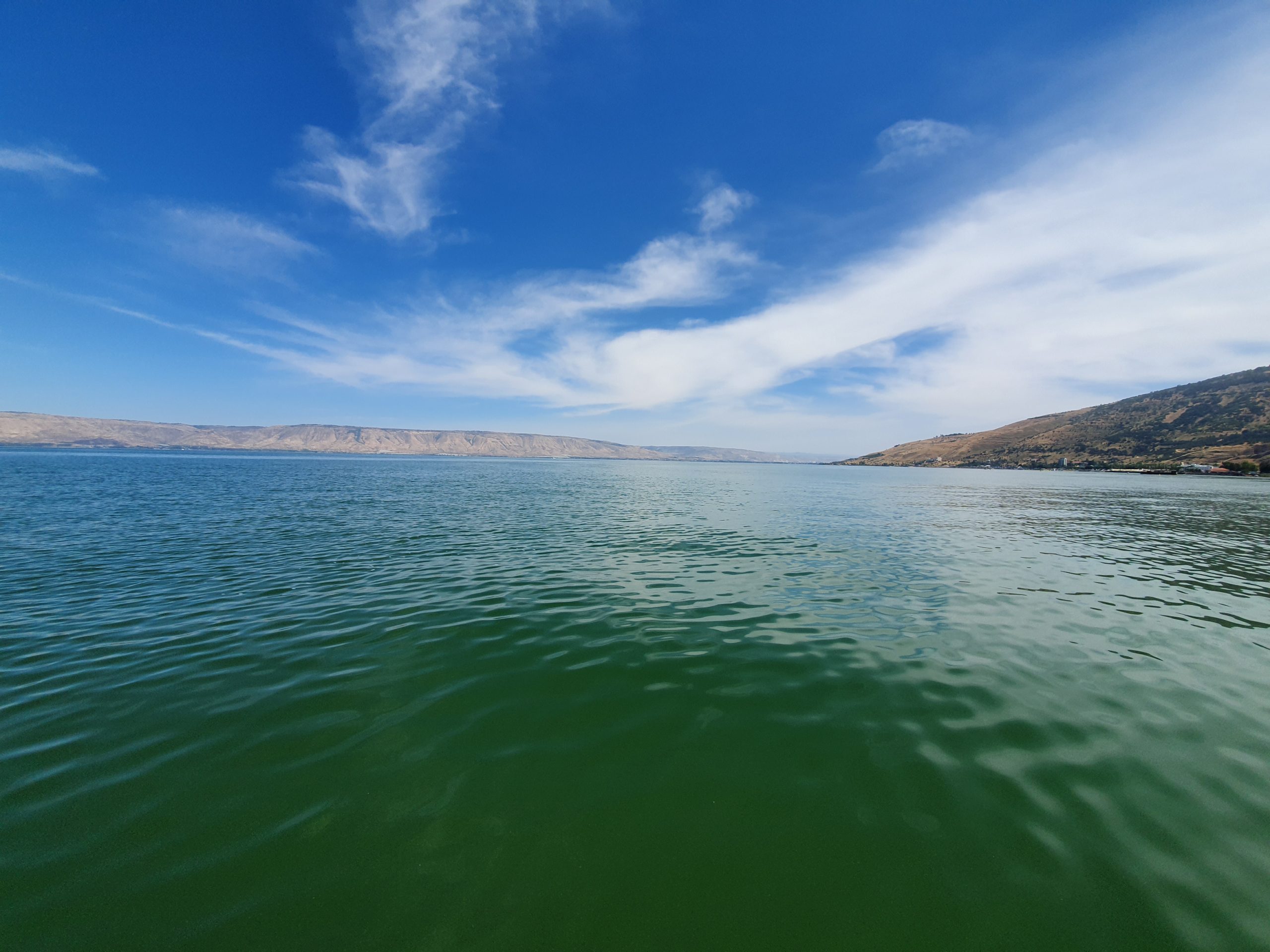
The Sea of Galilee (known in Hebrew as the Kinneret) has been Israel’s primary freshwater source for generations. It holds deep cultural and religious significance — this is where, according to the New Testament, Jesus walked on water and performed many of his miracles. For Jewish tradition, it is the heart of the ancient land of Israel.

For decades, over-extraction caused the lake’s water levels to drop dramatically. Between 2001 and 2019, Israel’s annual use of Galilee water dropped from 513 million cubic meters to just 25 million — as desalinated water replaced it. In a world first, Israel has begun pumping desalinated Mediterranean water back into the Sea of Galilee through a specially built pipeline, helping restore water levels and maintain this iconic lake for future generations.

Today, the Sea of Galilee serves as Israel’s emergency water reservoir — a strategic backup in case of natural disaster or disruption to the coastal desalination plants. Israel has also doubled the volume of water it supplies to neighbouring Jordan from the Kinneret, from 50 million to 100 million cubic meters per year.

What Visitors See

Tourists visiting Israel often don’t realize they are witnessing one of the greatest water engineering achievements in modern history. When you drink tap water in your Tel Aviv hotel, there’s an 80% chance it came from the Mediterranean Sea just hours earlier. When you pass the green fields of the Arava desert on your way to Eilat, you’re seeing crops irrigated with recycled water in one of the hottest, driest places on earth.

Some desalination-related sites that visitors can explore include:

  • The Sea of Galilee — A must-visit for its biblical history, natural beauty, and now its role in Israel’s water innovation story.
  • The Negev Desert — Home to agricultural communities that thrive thanks to Israel’s water technology, including drip irrigation, invented in Israel by Netafim in the 1960s.
  • The Dead Sea — The lowest point on earth, where ongoing conservation efforts aim to address decades of water level decline.

Looking Ahead

Israel’s water challenges are far from over. Climate change, population growth, and regional instability continue to put pressure on water resources. Projections suggest that Israel may need to desalinate as much as 3.7 billion cubic meters annually by 2065 — compared to approximately 800 million today — potentially requiring the construction of 30 additional desalination units.

But if history is any guide, Israel will continue to innovate. The country that turned seawater into drinking water, recycled 90% of its wastewater, and refilled an ancient lake with desalinated water is already developing the next generation of water solutions.

For a small country in the Middle East, water is not just a resource. It is a story of survival, innovation, and determination — a story that visitors can see, taste, and experience firsthand when they travel to Israel.

Bird Migration in Israel

Israel: A Crossroad for Bird Migration

Israel, a crossroad between three continents, is situated on one of the busiest bird migration hubs in the world. Twice a year, over 500 million birds fly across the skies of the country, on their journey from their distant winter habitat to their summer homes and back.

Blessed with a comfortable Mediterranean climate and a wide range of geographical zones, Israel has a bit of everything – high mountains with snowy peaks, green and lush nature reserves, humid valleys and arid deserts. This diversity welcomes over 400 species every year that have a wide choice of feeding ground, and can fulfill your deepest desires of seeing some of the most colorful birds in the world.

Notable Bird Species in Israel

Among the many birds that are found in Israel, one can observe:

  • The White-spectacled Bulbul – which loves the Mediterranean climate and migrates from the region of Turkey to the Arabian Peninsula.
  • The Eurasian Hoopoe – the national bird of Israel. Its name comes from the sound it makes – ‘oop oop oop’.
  • The Palestine Sunbird – the national bird of Palestine. It feeds on flower nectars, and its male is easily recognized by its metallic blue and turquoise colors.

When to See Migrating Birds in Israel

Autumn and spring are the main seasons for bird migration. Autumn migration is busier than the spring. It starts at the end of June and continues until January, with a peak in October-November. Spring migration starts at the end of February and continues until June.

It means that bird-watching is possible the entire year. The last birds flying north at the end of the spring can be seen at the same time as the first birds of autumn fly south.

Three Main Groups of Migrating Birds

The migrating birds can be divided into three main groups:

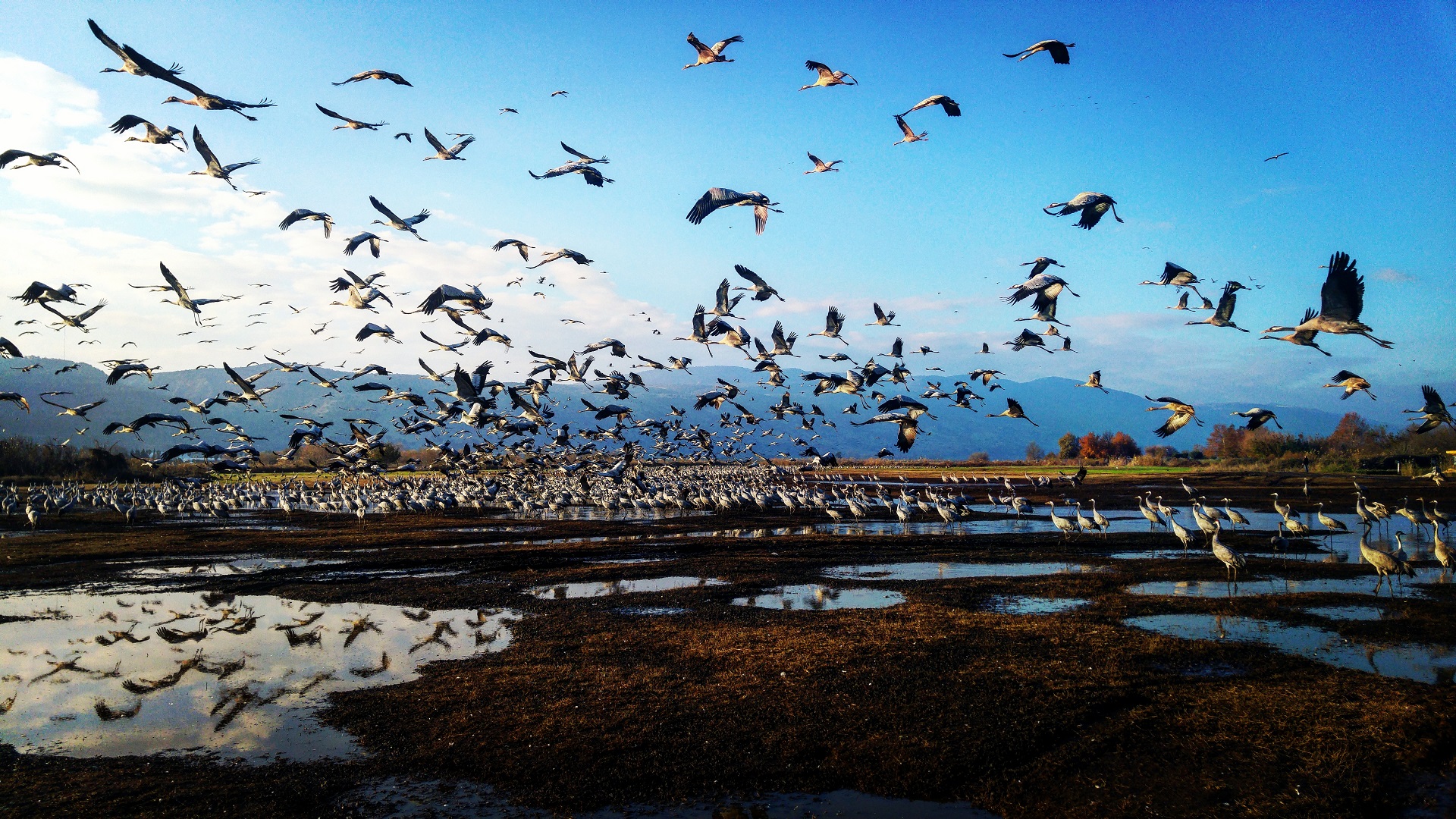
  • Birds that pass through Israel – like the storks and cranes. They leave Asia and Europe towards the end of summer, stop for a break in Israel around autumn and continue south to Africa. They can be seen again during the spring, flying back to their original habitats.
  • Winter birds – that arrive from Europe and Asia and spend their winters in Israel. For example, the famous wagtail, whose arrival symbolizes the beginning of autumn.
  • Summer birds – that arrive from Africa and spend their summers in Israel. For example, the Bee-Eater.

Where to Watch Birds in Israel

Where is the ideal place to see all of those beautiful birds? There are 9 bird-watching centers in Israel and many more are under construction. The country is blessed with a wide range of climates and geographical areas. Each area offers a different experience and specific birds that can be seen only there. For example, the flamingos can be seen mostly along the Mediterranean and Red Sea shores, because they prefer the humidity and saltiness of the coast.

Top 5 Places for Bird Lovers in Israel

1. Hula Valley Bird Watching Center

A world-renowned bird-watching center, wedged between the Golan Heights, Galilee and Mount Hermon, the Hula Valley story began in the 1950s when it was decided to drain the large body of water for agricultural purposes. This move raised an uproar against the farmers, and soon the government allowed the restoration of a small portion of the lake and proclaimed the area around it a nature reserve.

Today, the park is an important habitat for waterfowl, birds of prey and songbirds, and it houses an annual festival around the autumn migration season. As for the farmers, they eventually understood the importance of cooperating with the ecologists. They provide the park with over 2 tons of maize daily during winter to feed the cranes that otherwise will graze on their crops.

Additional fascinating visitors of the park are the black storks, the spoonbills with their interesting looking beak, the black francolins, and many more.

2. The International Bird Watching and Research Center, Eilat (IBRCE)

The southernmost city in Israel is located in what was once a saltmarsh on the shores of the Red Sea. For thousands of years, it was a bird’s key refueling spot before their journey towards the vast Sahara Desert. However, in recent decades the habitat was severely diminished due to the industrial growth of the port city.

Today, the Eilat observatory works on keeping necessary conditions for the existence of this nature habitat, and promotes its importance in the world’s ecosystem. Among the 480 bird species that were recorded passing through here are the Nubian nightjar that comes from Africa, the Spanish Sparrow, and the Flamingo. The Flamingo arrives from Turkey and Iran and enjoys the salt pools north of Eilat.

The best time to visit the park is during the Eilat Birds International Migration Festival held in March.

3. Jerusalem Bird Observatory (JBO)

The Jerusalem Bird Observatory is situated in the government area, next to the Knesset (Israeli Parliament) and the Supreme Court. It is an urban-wildlife site expanding over an area of one hectare, with a tiny pond that attracts magnificent bird-life throughout the year.

The observatory has a bird ringing station that is active throughout the day and helps to identify and research the migratory birds and their migration routes.

4. Ramat HaNegev Birding Center

With many majestic birds of prey soaring over the magnificent Zin Valley, Ramat HaNegev Birding Center offers a unique bird-watching spectacle in the heart of the Negev Desert. The ideal time to visit is during March and April, when the migratory birds fly back from Africa to Europe.

5. Jordan Valley International Bird Watching Center

Located in one of the hottest and most humid areas in the country, the bird-watching center of the Jordan Valley is positioned perfectly on the main bird flyways between Asia, Europe and Africa. The climate and abundance of springs set the perfect background for thriving agriculture, which attracts local and migratory birds to feed here throughout the entire year.

Experience Bird Watching in Israel with Hoshen Tours

Israel offers a truly remarkable bird-watching experience, with hundreds of species visible throughout the year. If you are planning a trip to Israel and want to include bird watching in your itinerary, Hoshen Tours can help you create a personalized tour that takes you to the best birding locations across the country. Contact us to start planning your adventure.