01
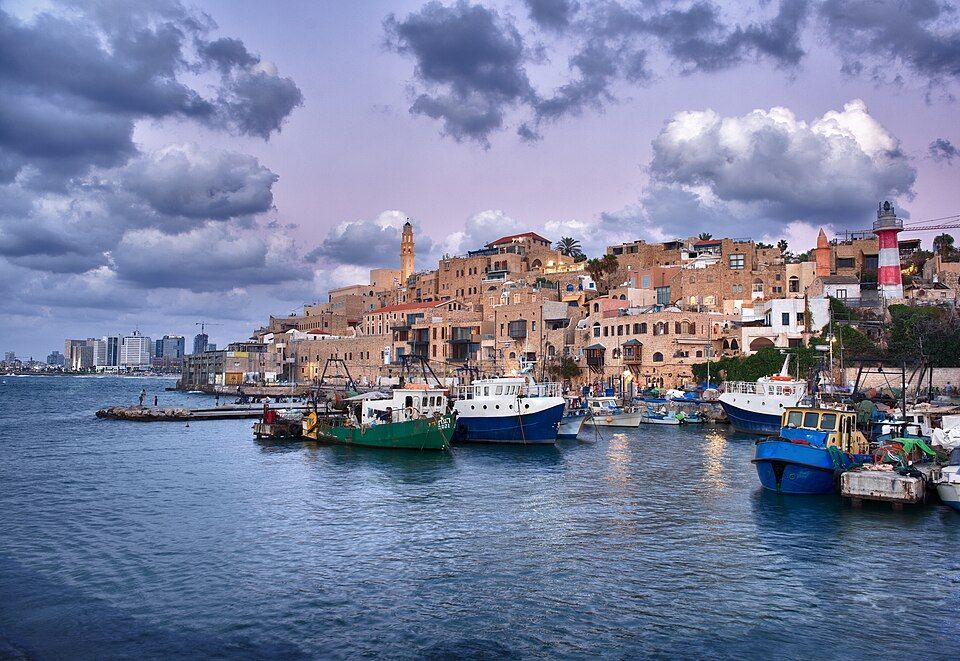
Jaffa
The Oldest Port in the World
A 4,000-year-old port where Jonah set sail and Peter had his vision, today Tel Aviv’s most atmospheric neighborhood.
Read more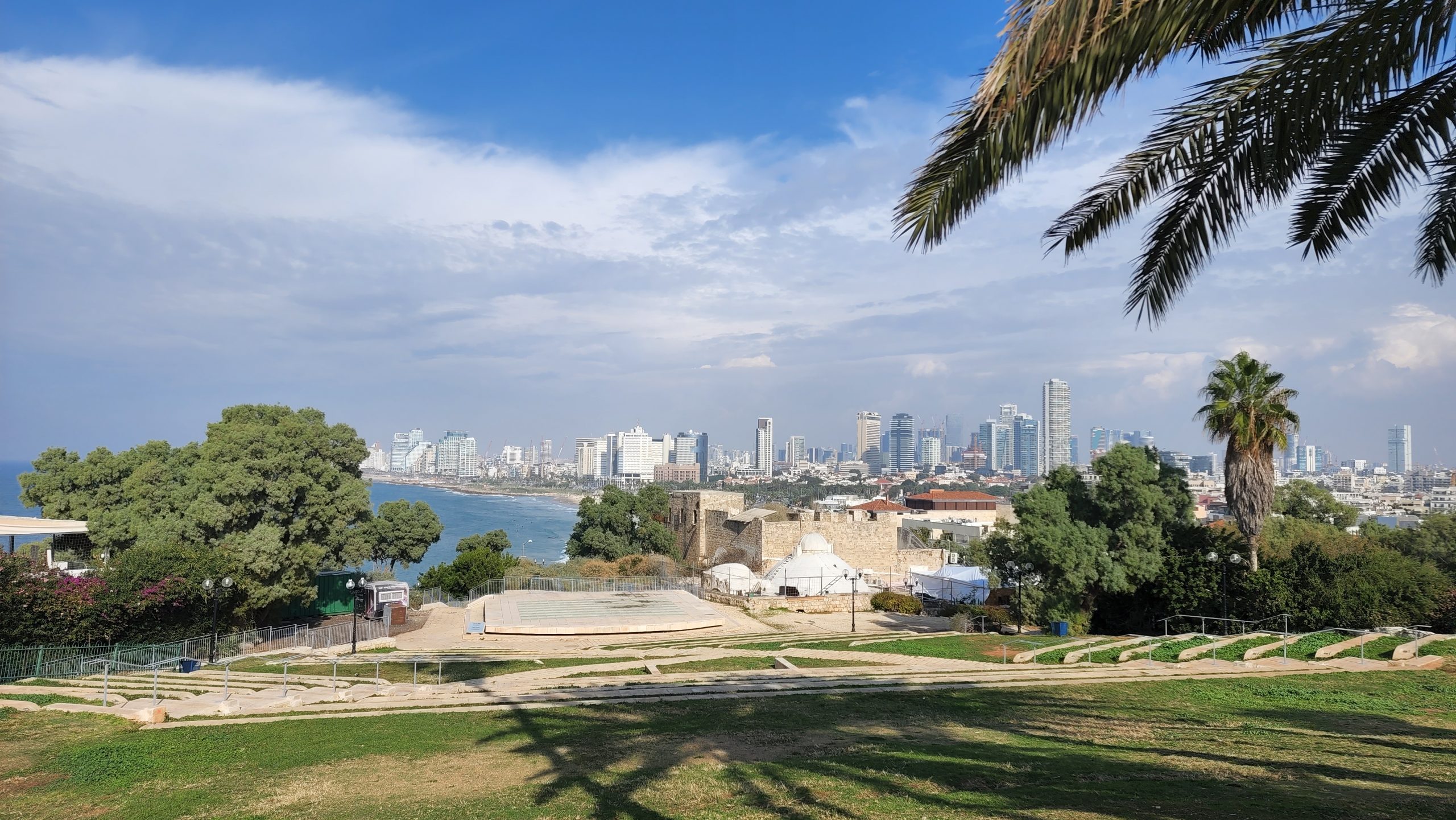
Jaffa is one of the oldest port cities in the world. Egyptian pharaohs garrisoned it, the cedars of Lebanon for Solomon’s Temple were floated ashore here, Jonah boarded his ship here, and on a rooftop by the sea Peter had the vision that opened Christianity to the Gentiles. Napoleon stormed its walls, Mark Twain found it unimpressive, and in 1950 it was merged with the young city that had grown up on the dunes to its north.
That city began in 1909, when sixty-six families drew lots with seashells for plots on the empty sand. Within a generation Tel Aviv was the first Hebrew city in two thousand years; in the 1930s architects fleeing Europe built more than 4,000 Bauhaus buildings, today the UNESCO-listed White City; and on May 14, 1948, Ben-Gurion declared the State of Israel in a modest hall on Rothschild Boulevard. Today it is the country’s cultural and economic heart, with fourteen kilometers of beaches, markets, cafes and a food scene among the most exciting anywhere, a city of the present tense.
A 4,000-year-old port where Jonah set sail and Peter had his vision, today Tel Aviv’s most atmospheric neighborhood.
Read more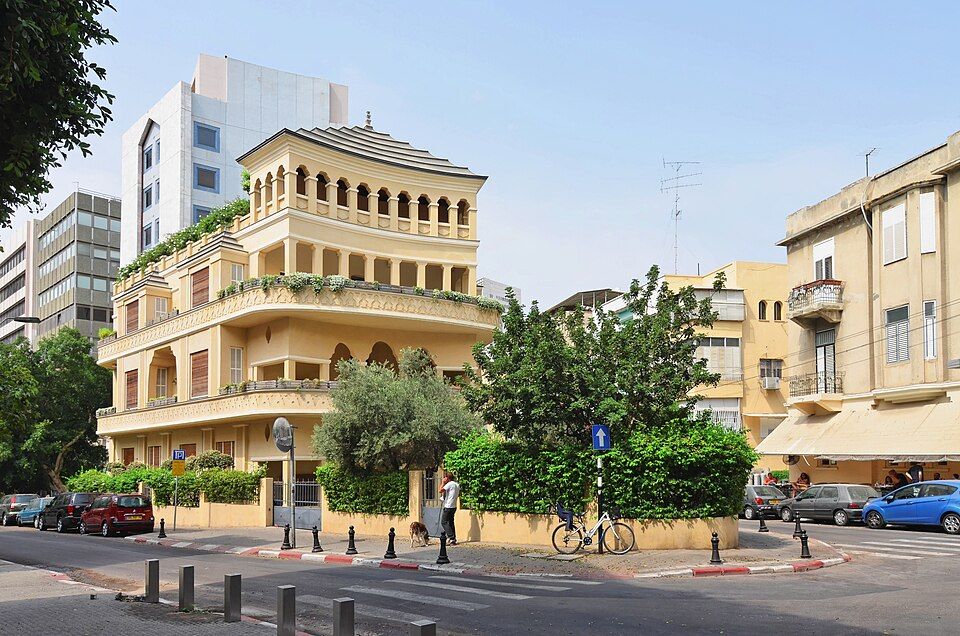
The first Hebrew city, born on the sand in 1909, with UNESCO Bauhaus architecture, beaches, and a food scene that rivals any city in the world.
Read more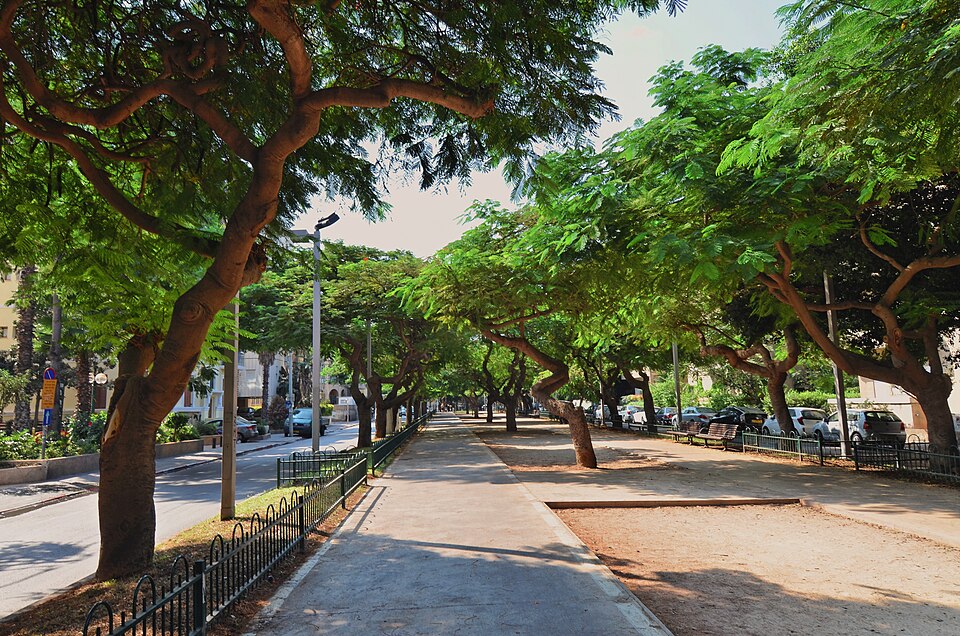
The tree-lined boulevard where Ben-Gurion declared the State of Israel on May 14, 1948, in a hall preserved exactly as it was.
Read more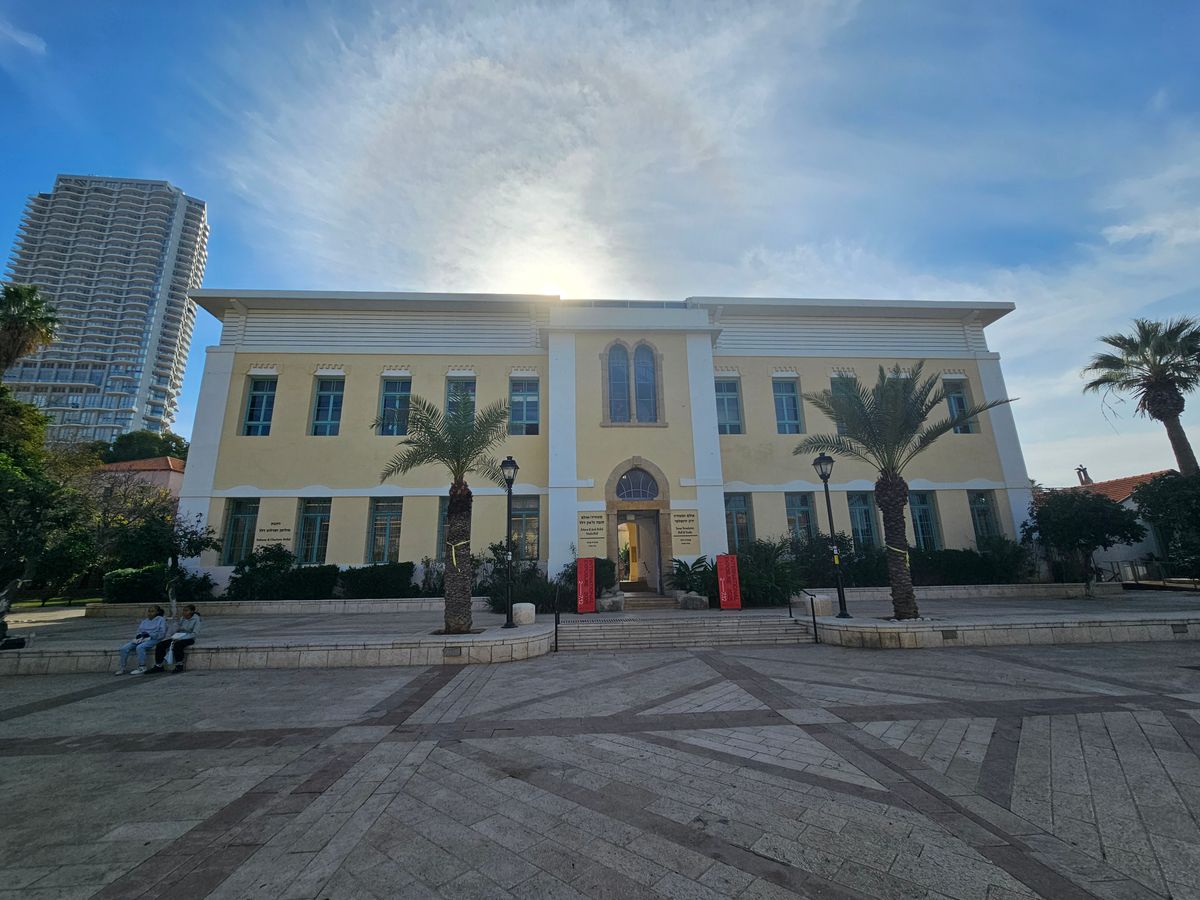
The first Jewish neighborhood built outside Jaffa, in 1887, now the city’s most charming quarter of galleries, cafes and restored Ottoman houses.
Read more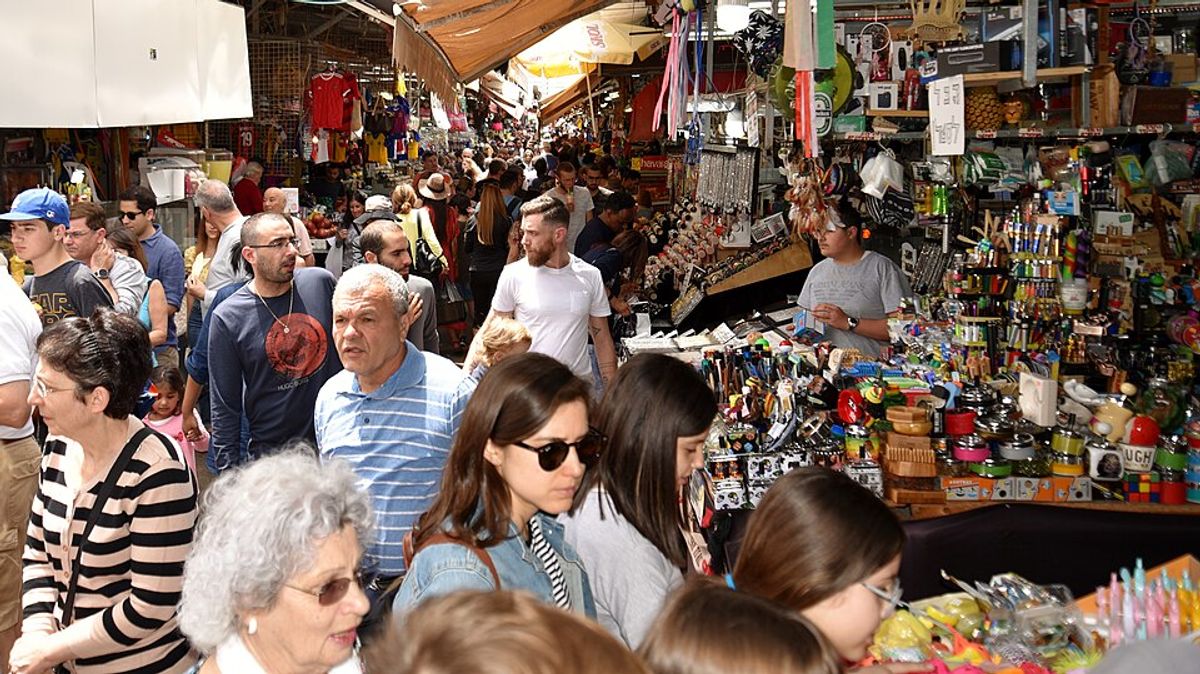
Five hundred meters of organized chaos: produce, spices and street food, with the Yemenite Quarter at its southern end.
Read moreNo site matches that search.
Private tours designed around your interests, schedule, and pace.


