
01
Makhtesh Ramon
The Largest Erosion Crater on Earth
The largest erosion crater in the world, 40 kilometers long and 500 meters deep. Geological wonder, stargazing, and desert adventure.
Read more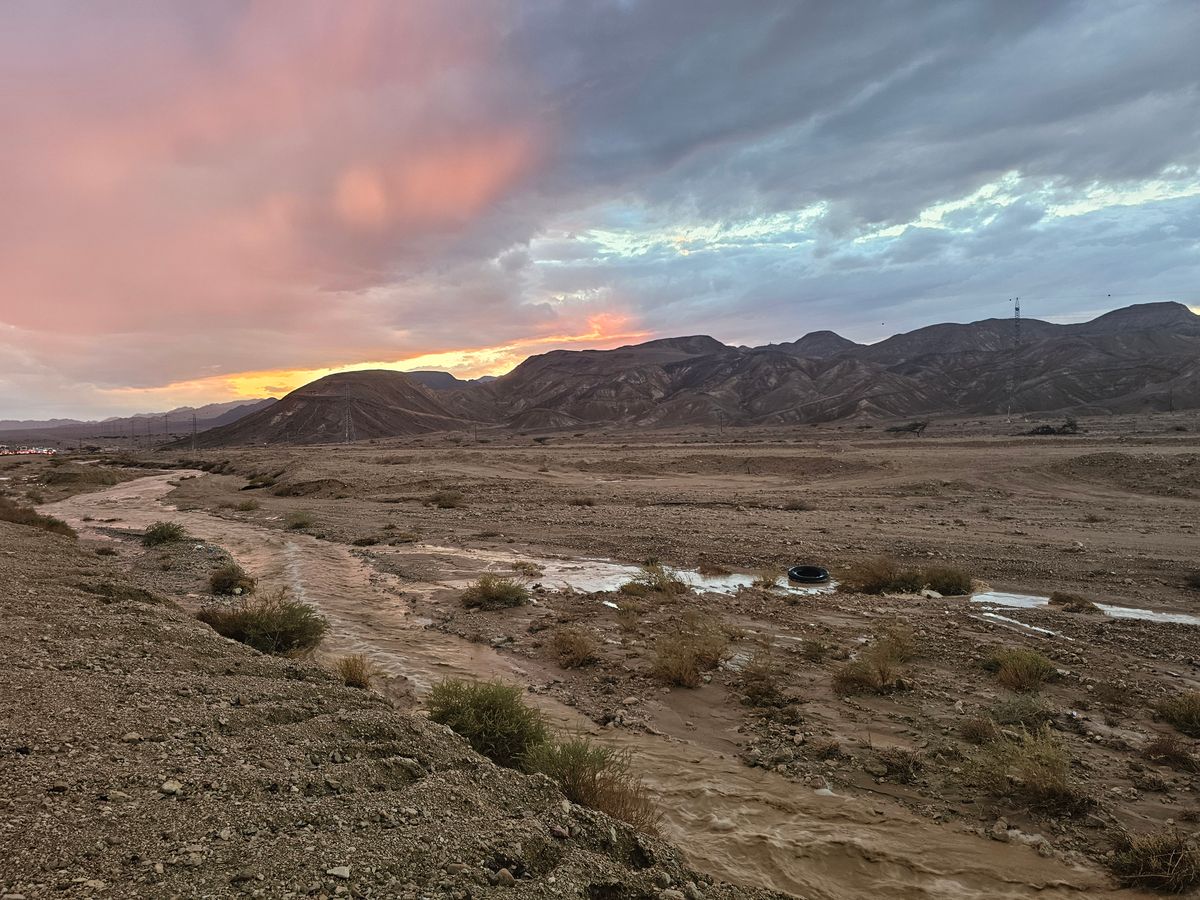
The Negev is Israel’s southern desert, reaching from Be’er Sheva, the biblical city of Abraham, all the way to Eilat on the Red Sea. It is a land of erosion craters — Makhtesh Ramon, the largest in the world, is 40 kilometers long and 500 meters deep — of spring-fed canyons like Ein Avdat, of red sandstone cliffs at Timna, where copper was mined some 6,000 years ago, and of night skies dark enough for some of the best stargazing in the country.
Between the 4th century BCE and the 2nd century CE, the Nabateans — Arab traders whose capital was Petra — carried frankincense and myrrh across this desert from Arabia to the Mediterranean. Their cities of Avdat, Mamshit, Shivta and Haluza are UNESCO-listed stations on the Incense Route, and their terraces, dams and cisterns let them grow wheat and grapes on less than 100 millimeters of rain a year. Today the Negev is home to Bedouin communities known for their hospitality, and to Sde Boker, where David Ben-Gurion, who dreamed of making the desert bloom, is buried above the Zin Valley.
The largest erosion crater in the world, 40 kilometers long and 500 meters deep. Geological wonder, stargazing, and desert adventure.
Read more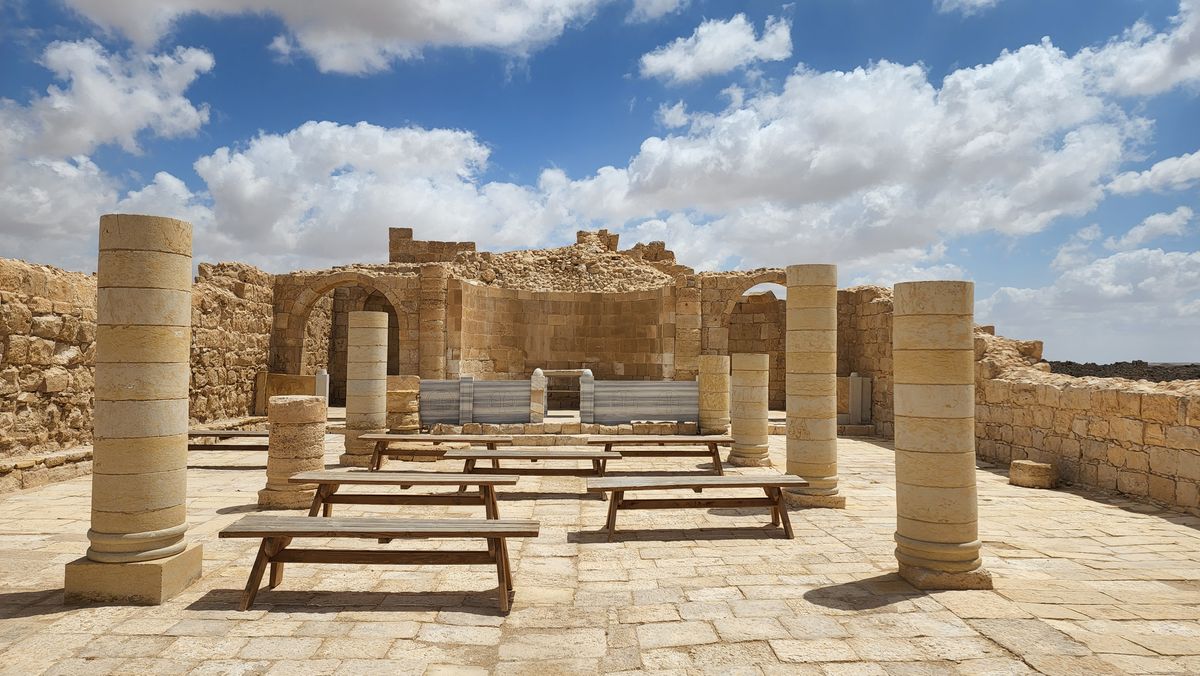
A UNESCO World Heritage Nabatean city on the Incense Route, where desert traders built a civilization in the wilderness.
Read more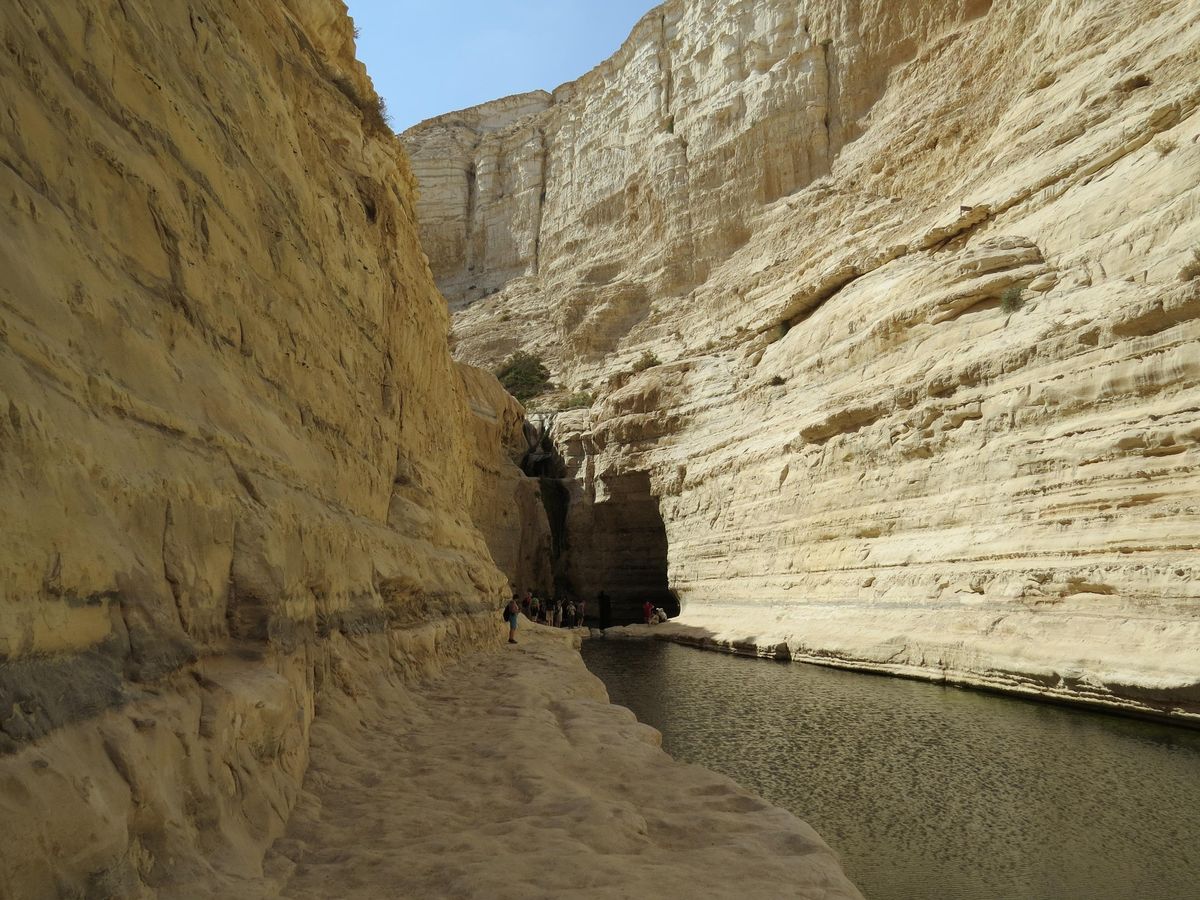
A spectacular desert canyon with year-round spring pools, waterfalls, ibex, and griffon vultures, at the foot of Ben-Gurion’s grave.
Read more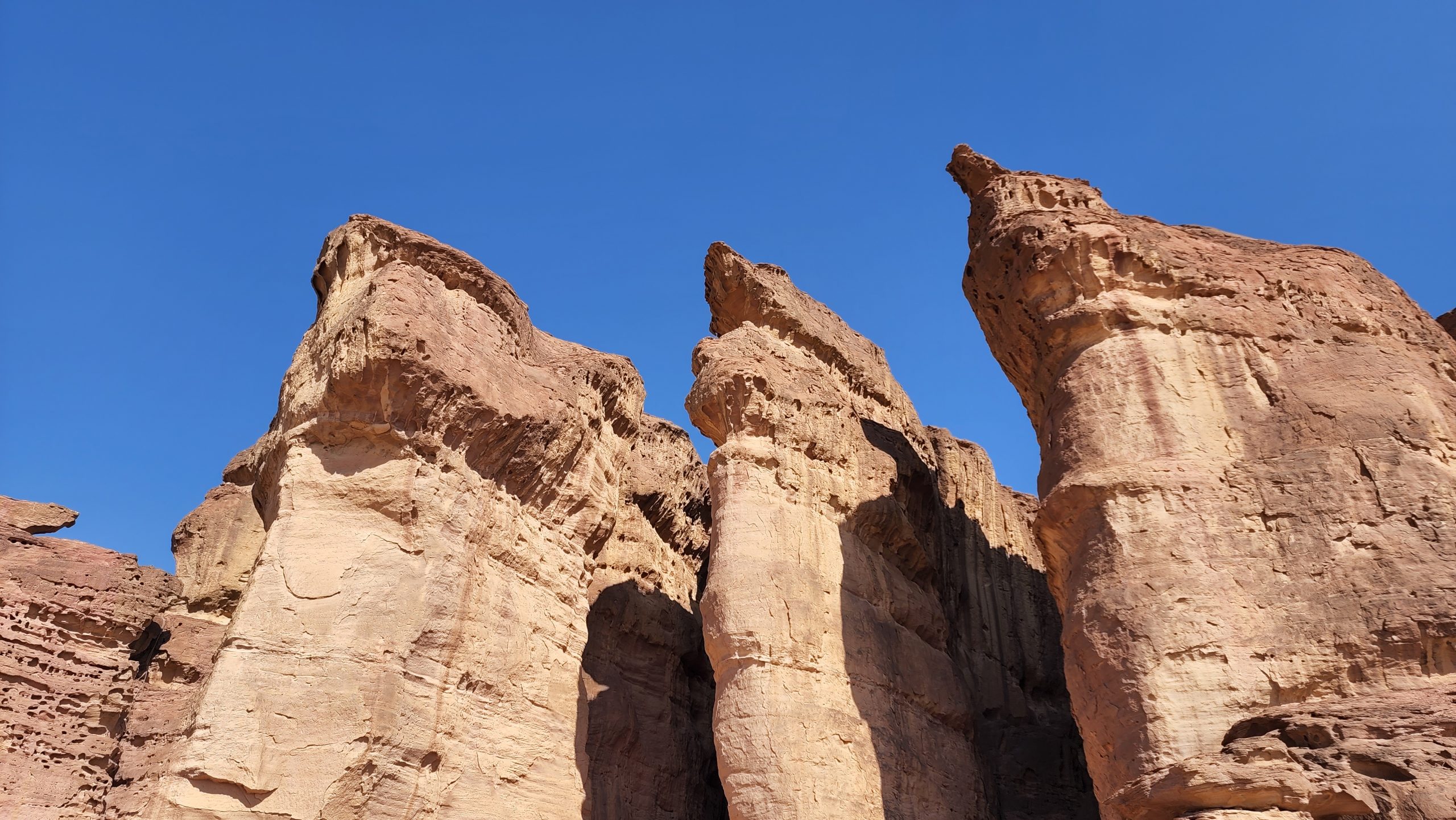
A desert valley of red sandstone cliffs, ancient copper mines, and geological formations that look like a set from a science fiction film.
Read more
Israel’s southernmost city, on the shores of the Red Sea. Coral reefs, snorkeling, dolphins, and desert mountains.
Read moreNo site matches that search.
Private tours designed around your interests, schedule, and pace.

